Water mixed with abrasive knocks down roughly 90% of the airborne dust, runs cool so it won't warp thin metal, and still strips coatings aggressively. Fully mobile across SW Florida.
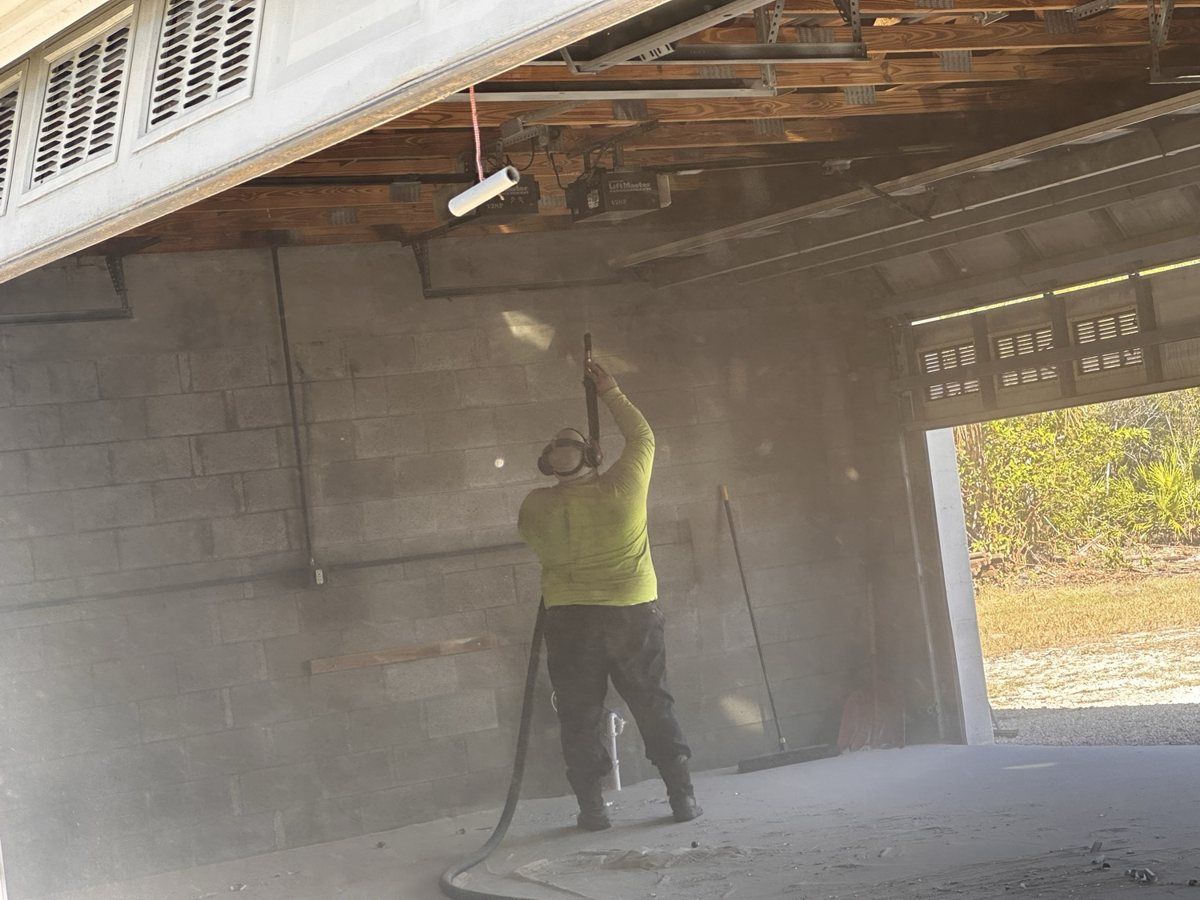
Dustless blasting introduces water into the blast stream so each piece of abrasive carries more energy and stays heavier in the air. Instead of a dry sandblast cloud that hangs and drifts, the wet media hits the surface and falls to the ground. That single difference is what cuts the airborne dust by around 90% and keeps the work area — and your property — far cleaner.
We can run a range of media through the same rig depending on the job: crushed recycled glass for general paint and coating removal, garnet for heavier rust and steel, soda for delicate gelcoat and aluminum, and finer abrasives where we need to protect the substrate. We tune the media, water and pressure to the surface in front of us, then test it on a small spot before we open up.
Want a fully dry approach for a specific surface instead? See our sandblasting and soda blasting pages — we run all three.

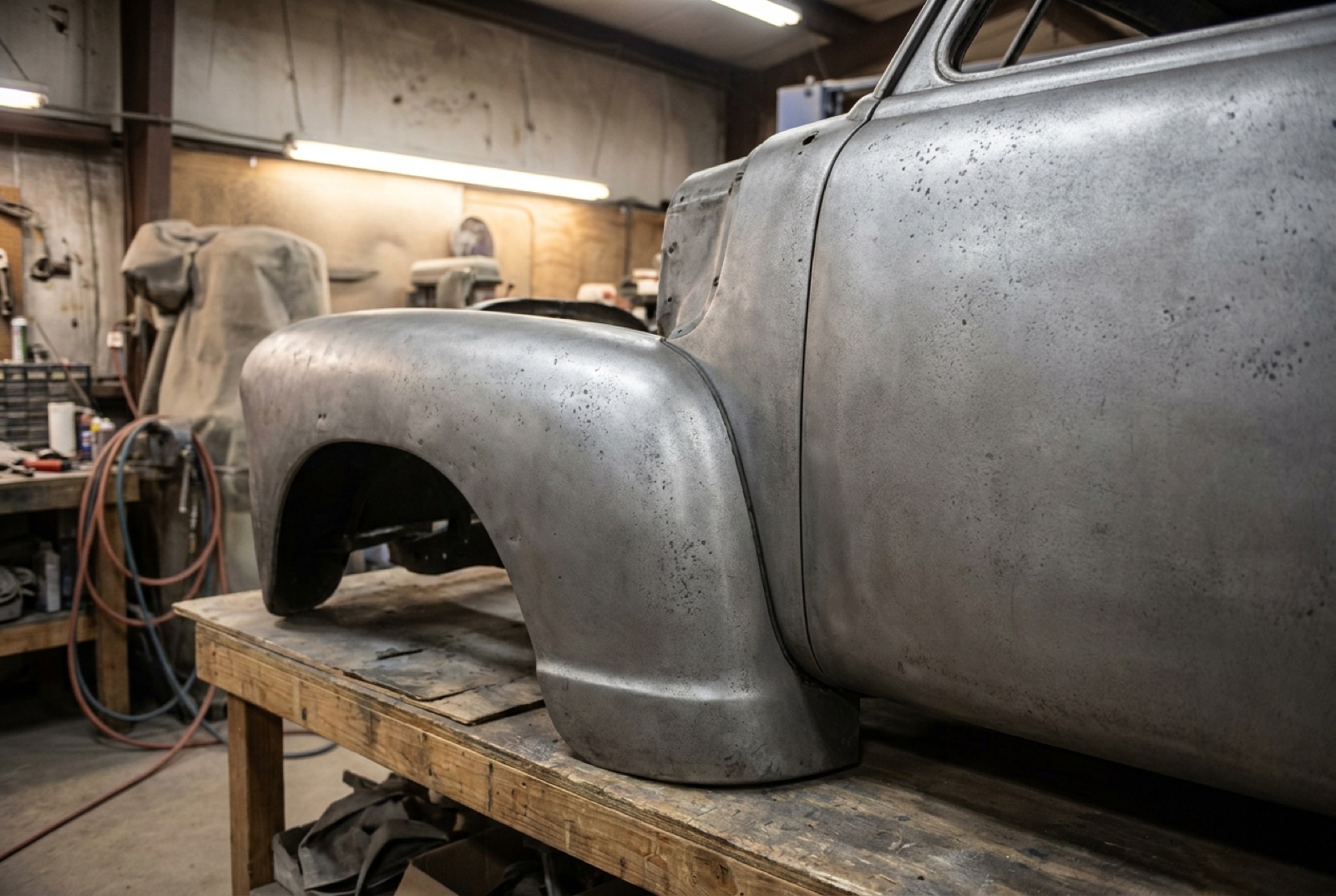
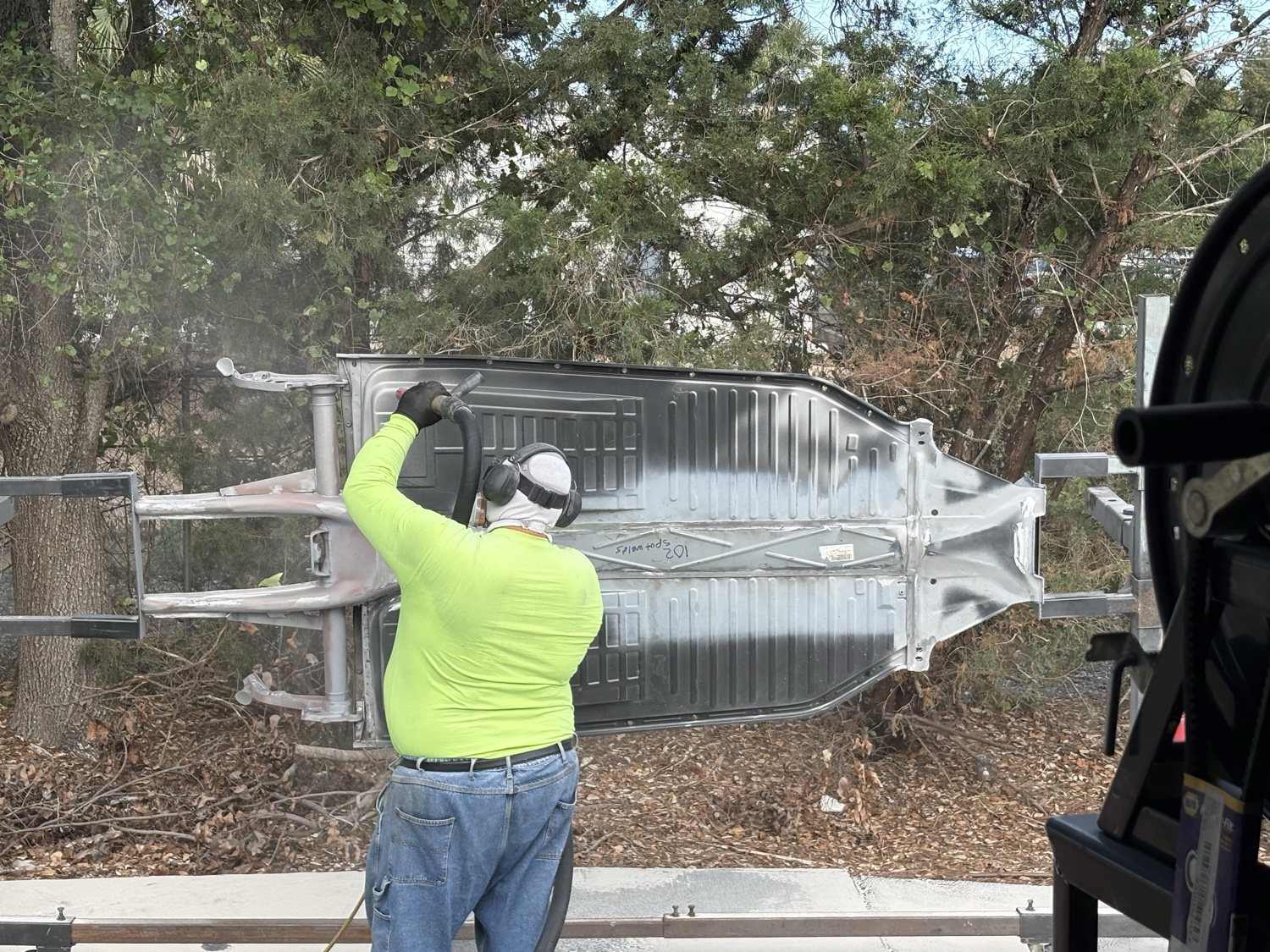
Dustless blasting runs cool, and that's exactly why it won't warp thin metal. Dry blasting builds friction heat, and heat is what distorts thin panels, fenders, hatches and aluminum. The water in a wet blast carries that heat away as it works, so the surface stays cool and flat. That makes dustless the right call for car and boat body panels, thin aluminum, sheet steel and other lightweight substrates that a dry blast or a grinder can cook.
It's the same reason it shines on hulls and running gear — strong enough to cut multi-season coatings, gentle enough to leave the substrate sound. See how we use it on marine projects and rust removal.

Dustless blasting strips paint, primer, rust, old sealer, failed clear coat, antifouling and most protective coatings off a wide range of materials. The wet stream reaches into corners, welds and contours a sander can't touch, and it removes the coating completely instead of just scuffing it. We use it across all four of our categories — marine, automotive, residential and commercial.
On the water it pulls bottom paint and growth off fiberglass and gelcoat hulls. In the shop it takes car bodies, frames and parts down to bare steel. Around the house it works on concrete, pavers, travertine, brick and wood. On commercial jobs it preps steel, equipment and structures for recoating.

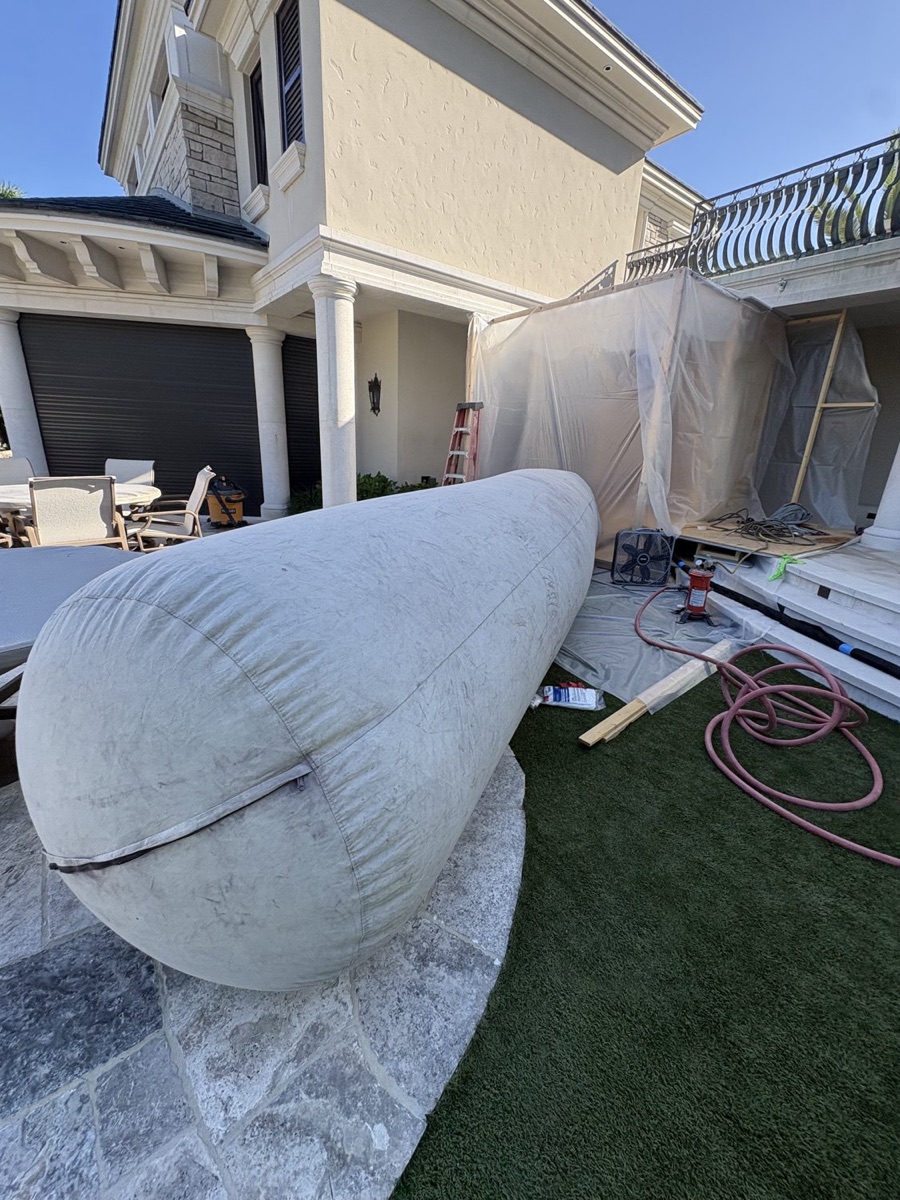
Dustless blasting is the right choice when dust control, heat and cleanup matter — and dry blasting is the right choice when you need a bone-dry surface or maximum cutting speed on heavy steel. Pick dustless for thin metal that can warp, for occupied or tight settings where an open dust cloud is a problem, for surfaces near landscaping, lanais, pools and neighbors, and for jobs where eco-friendly, low-mess work is the priority. The water-and-abrasive mix is gentler on the air around it and far simpler to clean up.
Pick dry sandblasting when a coating has to go on immediately with zero moisture, or when raw speed on thick structural steel outweighs the dust. Not sure which fits your project? Call or text (239) 227-1768 and we'll tell you straight which method we'd run and why. You can also compare the options on our services overview.
We come to you. Our mobile dustless rig travels to driveways, shops, boatyards, marinas and commercial sites from Naples and Marco Island up through Bonita Springs, Estero, Fort Myers, Cape Coral and Golden Gate. Because the dust stays down and the cleanup is light, we can work in places open sandblasting can't — right next to your home, pool cage or storefront. See the full service area or call or text (239) 227-1768 for a free on-site estimate.
Dustless blasting — also called wet blasting — mixes water with the abrasive at the nozzle. The water adds weight to the media so it knocks down roughly 90% of the airborne dust, keeps the surface cool, and still strips paint, rust and coatings aggressively. It's a cleaner, lower-mess alternative to traditional dry sandblasting.
Yes. Injecting water makes each piece of abrasive heavier, so instead of a dry cloud that drifts and lingers, the wet media falls straight to the ground. In real-world jobs that suppresses about 90% of the airborne dust, which is why we can run it near homes, pools, lanais and storefronts.
No. The process runs cool because the water carries heat away as it works, and heat is what warps thin metal. That makes dustless a safe, controlled choice for car and boat body panels, thin aluminum and sheet steel that a dry blast or a grinder could distort.
It's one of the cleaner blasting methods. The dust suppression keeps abrasive and coating particles out of the air, we use recycled and eco-friendly media where we can, and the wet debris is contained and easy to collect — so cleanup and contamination are far lower than open dry sandblasting.
We strip paint, primer, rust, sealer, clear coat, antifouling and most coatings off fiberglass and gelcoat hulls, car bodies and parts, steel and aluminum, concrete, pavers, travertine, brick, block and wood. We tune the media and pressure to the surface and test a small spot first.
Choose dustless when dust, heat or cleanup matter — thin metal, occupied or tight spaces, and surfaces near landscaping, pools and neighbors. Choose dry sandblasting when the surface must stay bone-dry for an immediate coating, or when raw cutting speed on heavy structural steel matters most. Call or text (239) 227-1768 and we'll recommend the right method for your job.
Yes — we're fully mobile across Southwest Florida. We bring the dustless rig to your driveway, shop, boatyard, marina or commercial site from Naples and Marco Island up through Bonita Springs, Estero, Fort Myers, Cape Coral and Golden Gate.
Free on-site estimates across Naples & Southwest Florida. Call or text (239) 227-1768 and we'll get you scheduled.
Tell us a little about the job and we'll get right back to you.
Thanks — we'll be in touch shortly to set up your free estimate.