Rust does not sit on top of steel, it grows down into it. Grinders and wire wheels skim the high spots and leave the pits loaded, which is why the blisters come back through fresh paint. Blasting empties the pit.
SWFL Media Blasters takes rust off metal in Naples, where the air itself is the problem. Salt blows in off the Gulf, humidity keeps a film of moisture on every outdoor surface, storms rinse it and reload it, and metal that lives outside here never really dries. Steel corrodes anywhere on earth. On a Gulf coast city built along canals it corrodes faster and, more to the point, deeper. Rust is not a stain sitting on top of good metal, it is metal turning into something else, and the reaction burrows in and keeps running underneath whatever you put over it. The job is to open every pit, get the corrosion out of the bottom of it, and leave a surface the next coating can actually hold. Call or text (239) 227-1768.
Iron wants to go back to being ore. Put it in the presence of oxygen and water and it oxidizes, and what forms is not the material that used to be there: iron oxide occupies more volume than the steel it came from. That expansion is why rust lifts, blisters and flakes instead of staying put, and every flake that falls away exposes clean metal for the reaction to start on again.
Salt turns a slow process into a fast one. Chloride makes water conductive, and corrosion is an electrical event: current moves between anodic and cathodic areas on the same piece of steel, and the anodic spots dissolve. Naples supplies that electrolyte free of charge every day the sea breeze blows, and the humidity keeps surfaces damp enough to carry it.
Two shapes of the problem matter here more than any other. Pitting, where corrosion drills narrow and deep rather than spreading wide, so metal that looks lightly freckled can be seriously compromised. And crevice corrosion in the places no tool reaches: lap joints, fastener holes, the inside of tube frames, under mounting plates and behind hardware. That is what rust removal is actually up against.
A flap disc rides the high spots. It knocks off loose scale, brightens whatever it touches, and glides straight across the pit mouths without ever reaching the floor of them. A wire wheel is worse in one specific way: it polishes and it smears, so the corrosion that stays behind gets burnished down into the low spots where it is hard to even see. The piece looks finished. It is not finished.
Then a coating goes over the top, bridges each pit like a lid, and seals in a pocket of chloride, moisture and oxidized iron. That pocket has everything corrosion needs to keep working, and in Naples it gets warmth year round to work with. Pressure builds as the oxide expands, and a season or two later blisters and rust bleed come through paint that was perfect the day it went on. The paint did not fail. It was applied over a problem that was still running.
Rust converters and encapsulators share the same weakness. They depend on reaching and reacting with all of the corrosion that is present, and what sits at the bottom of a deep pit is exactly what you cannot guarantee coverage on.

Abrasive blasting is a stream of small hard particles arriving at speed and at an angle. They enter the pits, strike the walls and the floor, and drive the oxide back out instead of skating over the opening. That is the mechanical difference between blasting and every hand method, and it is the reason blasting is the fix and the rest is a postponement.
Which abrasive depends on what is in front of us. Crushed recycled glass is the general purpose cutter for coatings and moderate corrosion. Garnet is heavier and hits harder, which is what heavy scale and structural steel need. Baking soda is the gentle end of the rack for delicate or intricate pieces where no profile is wanted at all. Sand has its place. The wet dustless setup is on the truck for thin metal, heat-sensitive panels and any address where a dust cloud is not an option.
What comes back is bare metal plus an anchor profile: a fine peak and valley texture the next coating can grip mechanically. Depth gets matched to the product going on, which is walked through in surface prep before powder coat or paint. For the heavier dry work on structural pieces, see sandblasting in Naples.

Flash rust is the light bloom of oxidation that forms on freshly cleaned steel while it sits exposed. It is not a defect in the blasting. It is steel doing what steel does the instant it has nothing on it, and warm humid air speeds it along. Anybody who tells you a stripped piece will sit clean for a week on this coast has not left one outside to find out.
Which makes the sequence more important than any single step. The coating gets planned alongside the blasting rather than treated as a separate project scheduled for later, and where the finish goes on during the same visit, the surface never gets the chance to bloom at all. That is the practical meaning of blast it, prep it, coat it.
There are two honest ways to run it. Take the piece back bare and ready, which works when your painter, powder coater or fabricator is standing by and it goes straight to them. Or have us prep and coat it, so protection goes on while the metal is still clean and nobody is racing the weather. On a Naples afternoon in August, the second option removes a variable you do not control. Every service we bring to the city is listed on the Naples page.
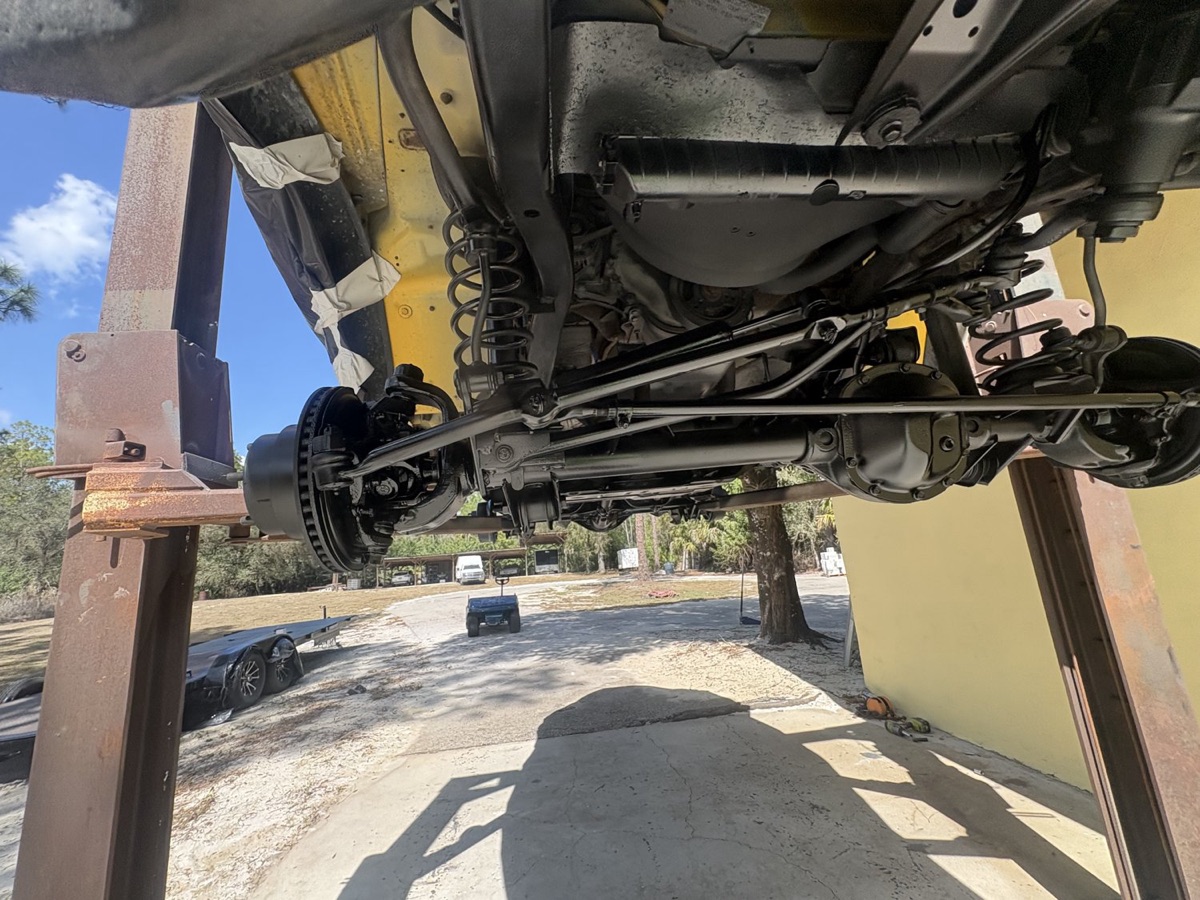
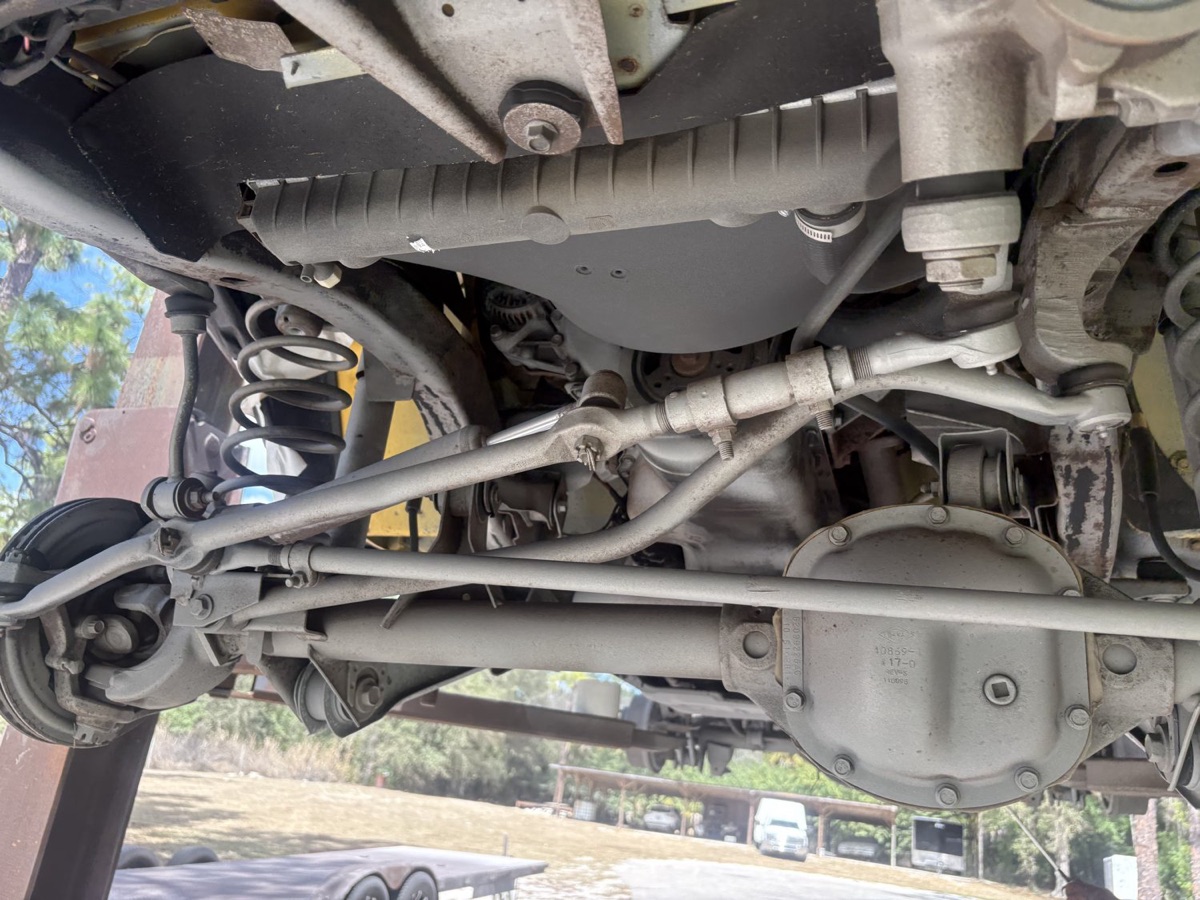
The list is long and predictable. Boat trailers, which get backed into salt water at the ramp and then parked wet. Gates, fence panels, driveway hardware and light poles. Railings, stair stringers and balcony steel on the canal homes off Naples Bay and the Gordon River. Lift motors, cradle frames, cleats and dock hardware around Royal Harbor and Aqualane Shores. Air conditioner cages and stands. Hurricane shutter tracks. Wrought iron on the older houses in Old Naples. Patio furniture frames, vehicle frames and undercarriages, and structural steel on anything commercial.
Now the honest limit. Blasting removes corrosion. It does not give back the metal the corrosion already ate. A heavily pitted trailer tongue comes out clean, sound and ready to coat, and it stays pitted, because those craters are missing steel and no process refills them. Sometimes a strip uncovers a hole that scale was hiding, and the correct next call is a welder or a fabricator, not a coating.
We would rather tell you that standing next to the piece than coat over it and let you discover it later. For vehicles, automotive blasting covers frames and undercarriages, and rust removal on trucks and trailers in coastal Florida goes deeper on trailers.
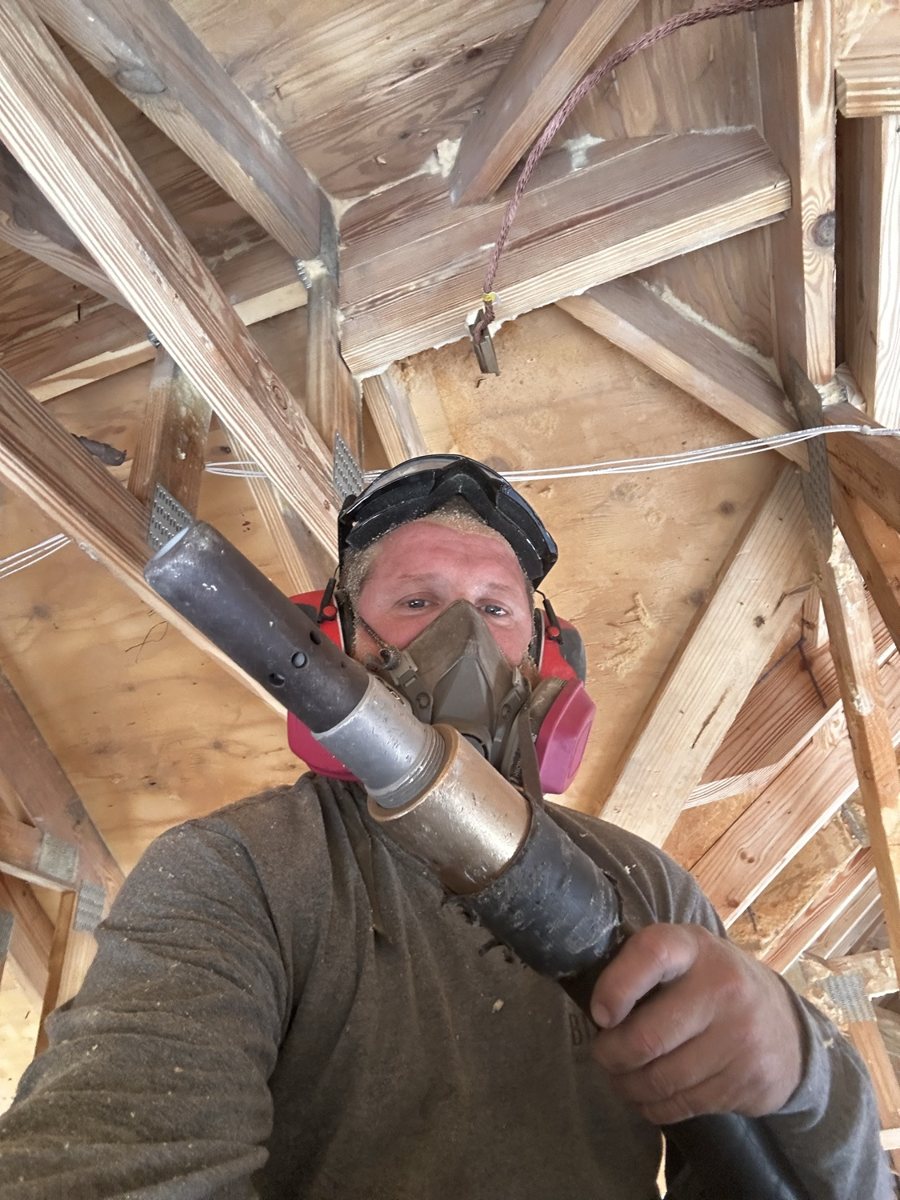
Based in Naples and mobile across Southwest Florida — we bring the rig to your home, marina, yard or job site. Call or text (239) 227-1768.
Usually it can be cleaned and coated, but be clear about what cleaning means here. Blasting takes the corrosion out of the pits and leaves sound metal with a profile on it. The pits themselves remain, because that steel is gone for good. On thin material that has lost real section, or where a strip uncovers a hole, the right answer is a fabricator rather than a coating. We will tell you which one you are looking at before anything gets painted.
Because it never actually left. Paint over an active pit and you seal chloride, moisture and oxide into a pocket under the film. The reaction keeps running, the oxide expands, and it pushes through as blisters and rust bleed a season or two later. The coating was not the problem. The surface underneath it was, and that is the whole argument for blasting instead of covering.
On genuinely light surface rust over smooth metal, mechanical cleaning gets you somewhere. Once there is pitting it stops working, because a disc rides the high spots and a wire wheel burnishes corrosion down into the low ones. Blasting is the method that reaches into the pit and drives the oxide back out of it, which is why the repair holds instead of reappearing next season.
It is the light bloom that forms on clean bare steel sitting in humid air, and on this coast it can start quickly. That is why the coating gets planned alongside the blasting instead of scheduled separately. If the finish goes on during the same visit, the surface never gets the chance to bloom. If you are taking the piece away bare, have your coater ready for it.
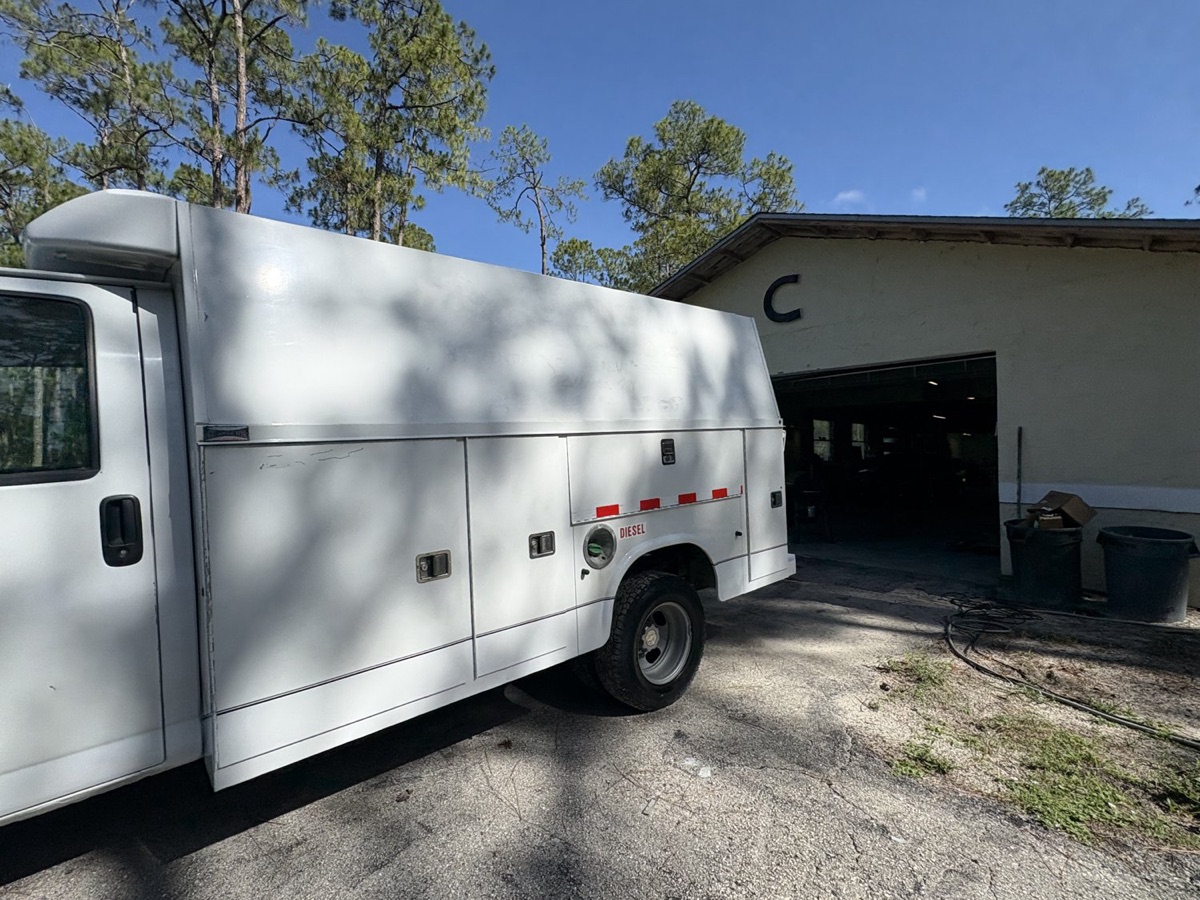
We come to you. The rig travels, so the work happens wherever the metal already is: a driveway, a side yard, a dock, an equipment yard or an active site. Gates, railings, lift hardware and structural steel frequently cannot be removed at all, and a trailer that has to be hauled somewhere tends to stay on the to-do list for years. Working on location is what gets those jobs done.
It can, on the wrong setting, because heat and force are what distort light gauge material. We match media and pressure to the gauge in front of us and test a section before committing to the piece. On thin panels and aluminum we would rather run the wet dustless setup in Naples, which stays cool by design. There is more in blasting aluminum versus steel.
It comes down to the size and number of pieces, how deep the corrosion runs, what coating is coming off with it, how much containment the location needs, and whether we coat the piece afterward. Nobody can price rust from a photo, so we do not try. Call or text (239) 227-1768 and we will come look at it, free, anywhere in the city.
The rig comes to your driveway, dock or yard, takes the corrosion out of the pits and leaves the metal ready to coat. Call or text (239) 227-1768 for a free on-site estimate.
Tell us a little about the job and we'll get right back to you.
Thanks — we'll be in touch shortly to set up your free estimate.