Why aluminum and steel need very different blasting setups
Same booth, same nozzle, two completely different jobs. Here's how the right media and pressure protect soft aluminum while still biting into steel.
The short version
- Aluminum is soft and conducts heat fast, so it warps and gouges if you hit it with aggressive media at high pressure.
- Steel is hard and forgiving, so it takes a sharper media and a more aggressive cut to strip rust and build profile.
- Media choice matters as much as pressure: soda and crushed glass are gentle, garnet and steel grit bite hard.
- The goal on aluminum is clean metal with a light tooth; on steel it's clean metal plus a measured surface profile.
- Dialing in nozzle distance, angle, and air pressure is the difference between a panel that coats well and one that's ruined.
Why does the same blast that cleans steel ruin aluminum?
It comes down to the metal itself. Steel is hard and relatively thick in most of the parts we see, so it shrugs off an aggressive blast. Aluminum is soft, often thinner, and it pulls heat away from the impact zone fast. Hit a thin aluminum panel with a sharp, heavy media at high pressure and two things happen: the surface gouges, and the panel heats unevenly and warps. Once aluminum oil-cans or distorts, no coating fixes it.
Think of it like sanding. You'd never take 36-grit to a soft pine cabinet door the way you would to a rusty steel I-beam. Same idea here. The right approach protects the base metal while still getting it clean enough to coat. That's the core of good automotive blasting work, and it's why we treat an aluminum boat transom and a steel trailer frame as two separate problems even when they roll in on the same day.
What media works on aluminum without damaging it?
On aluminum, softer and rounder is the rule. We reach for media that cleans without cutting deep:
- Soda (sodium bicarbonate) is about the gentlest option. It strips paint and corrosion and is friable, meaning it shatters on impact instead of hammering the metal. Great for thin panels and intricate parts. See our soda blasting page for where it shines.
- Crushed (recycled) glass is a step up in cut but still light enough for most aluminum, and it leaves a clean, matte finish.
- Plastic media and fine garnet have their place on aluminum when you need a controlled profile for primer.
What we avoid on aluminum is steel grit or steel shot. Those embed iron particles into the soft surface, and embedded steel rusts later and bleeds through your coating. If you've ever seen rust freckles appear on a freshly painted aluminum part, that's usually contamination from the wrong media or a dirty cabinet. Our dustless blasting setup also helps here, since the water film keeps heat down on sensitive panels.
Why does steel take a more aggressive cut?
Steel can handle it, and steel usually needs it. Most steel parts we see have mill scale, layered rust, or old coatings bonded tight. To get down to clean, bright metal you need a media with sharp edges and enough energy behind it. Angular garnet, aluminum oxide, or steel grit all bite into steel and tear off contamination that a soft media would just dust over.
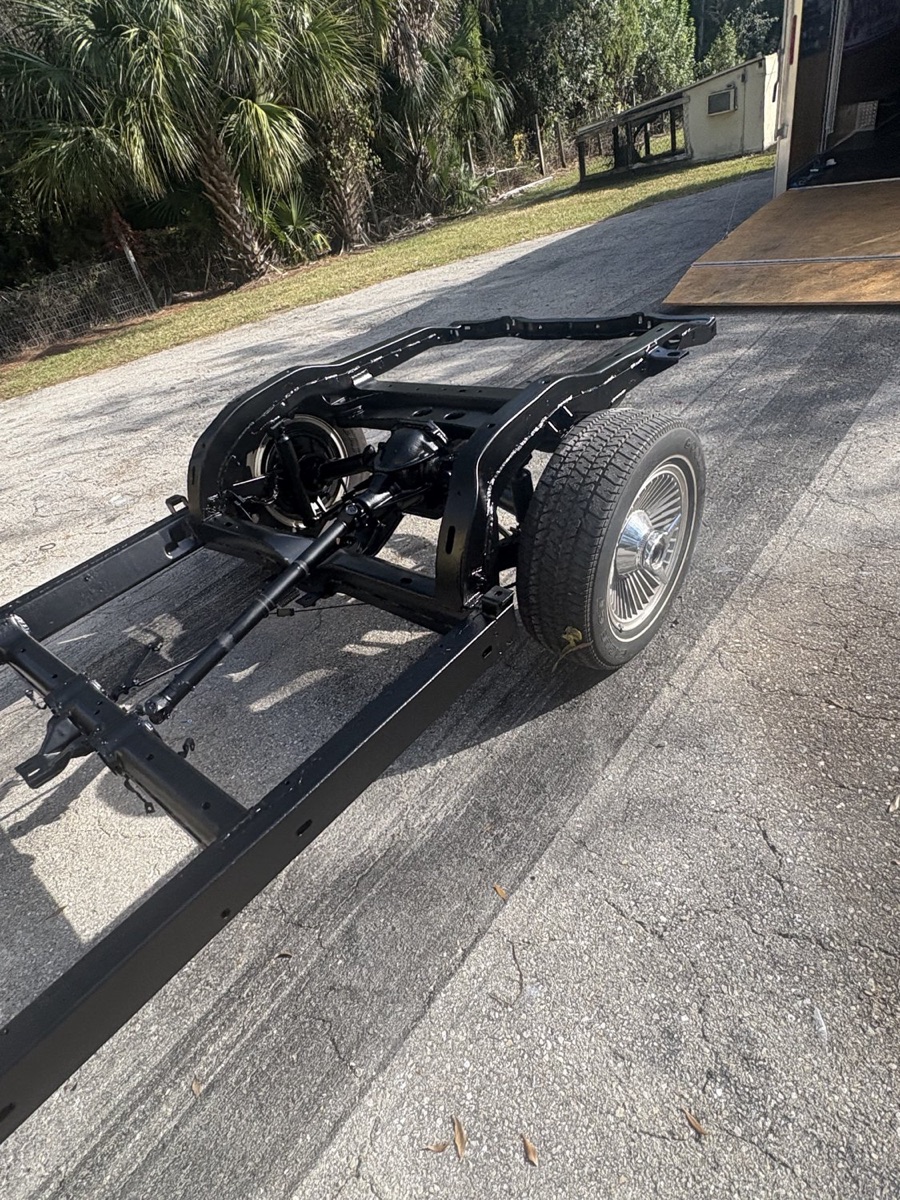
There's a second reason steel gets the harder treatment: surface profile. Coatings on steel, especially in our salt-air environment, grip best when there's a measured tooth, a microscopic peak-and-valley texture, for the primer to anchor into. A sharp media at the right pressure creates that anchor pattern. On a structural beam or a heavy rust removal job, that profile is the difference between a coating that lasts years and one that sheets off in a season. Steel is forgiving enough that you can chase clean metal and profile at the same time without worrying about distortion the way you do with aluminum.
How much does pressure really change things?
A lot. Media gets the headlines, but air pressure is the throttle. The same crushed glass that gently cleans aluminum at lower pressure will start to warp and gouge that same panel if you crank the air up. And steel grit that strips a frame at higher pressure won't do much if the pressure is too low to drive it.
As a rough mental model, aluminum work lives at noticeably lower pressure than steel work. Thin sheet, like a boat console or a trailer fender, gets the lightest touch. Thick steel plate gets the full push. But the operator never sets it and forgets it, because the part dictates the number.
Lower pressure and softer media on aluminum; higher pressure and sharper media on steel. Everything else is fine-tuning around that.
Because we blast on-site across Naples, Marco Island, and Cape Coral, we're constantly adjusting for what's actually in front of us rather than running one canned setting all day.
How do pros dial it in for a specific part?
Beyond media and pressure, three habits keep the job clean and the metal flat, especially on aluminum:
- Nozzle distance. Pulling the nozzle back spreads the energy over a wider area and softens the hit. Crowding the nozzle concentrates it and builds heat fast, which is exactly what warps thin panels.
- Angle of attack. A glancing 45-degree angle shears off coating and corrosion with less direct impact than blasting straight on. On aluminum, angle is your friend.
- Keep it moving. Lingering in one spot dumps heat and energy into a single area. Steady passes spread the work out and prevent both distortion and gouging.
The honest answer to "what's the perfect setting" is that there isn't one number, there's a starting point and then a test. We'll often blast a small, hidden area first to confirm the media and pressure behave before committing to the whole part. Surface prep is only step one, too. Once the metal is clean and correctly profiled, it has to be coated before it flash-rusts. That handoff is covered in our piece on surface prep before powder coat or paint.
What does this mean for your boat, frame, or trailer?
If your part is aluminum, the conversation is about removing coating or corrosion without distorting the metal, think pontoon hulls, outboard brackets, aluminum trailer frames, and consoles that live in Gulf salt air. The plan leans toward soda or crushed glass at controlled pressure. If your part is steel, the conversation is about cutting through rust and scale and building the right profile so the new coating actually holds, think truck frames, structural steel, and heavy trailers.
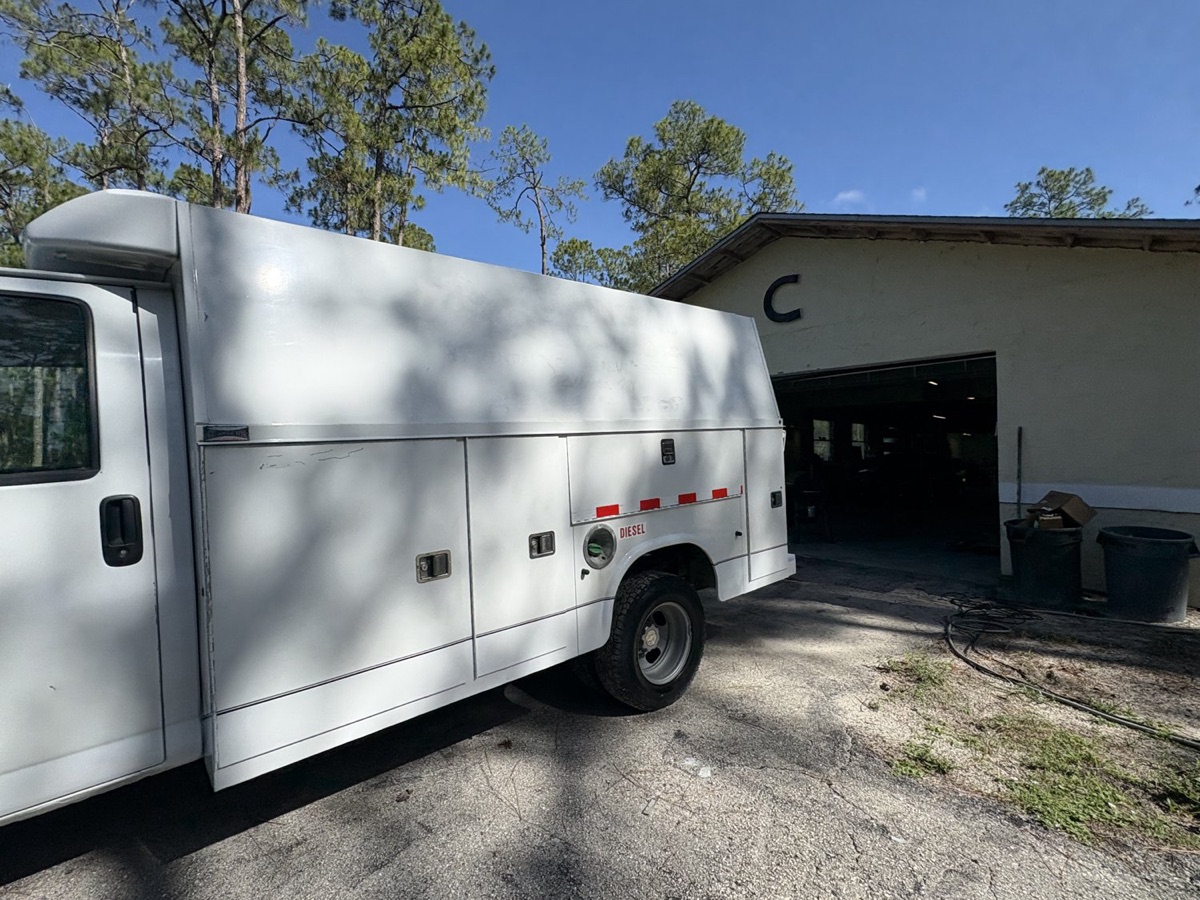
A lot of vehicles are a mix, a steel frame with aluminum panels, or a trailer with both. That's normal, and it's exactly why mobile blasting beats a one-size cabinet: we change media and pressure part by part. If you're weighing blasting against chemical strippers for a restoration, our comparison of classic car blasting vs chemical stripping breaks down the tradeoffs. When you're ready, we'll come look at the actual metal and give you a free on-site estimate, no guessing from a phone photo.