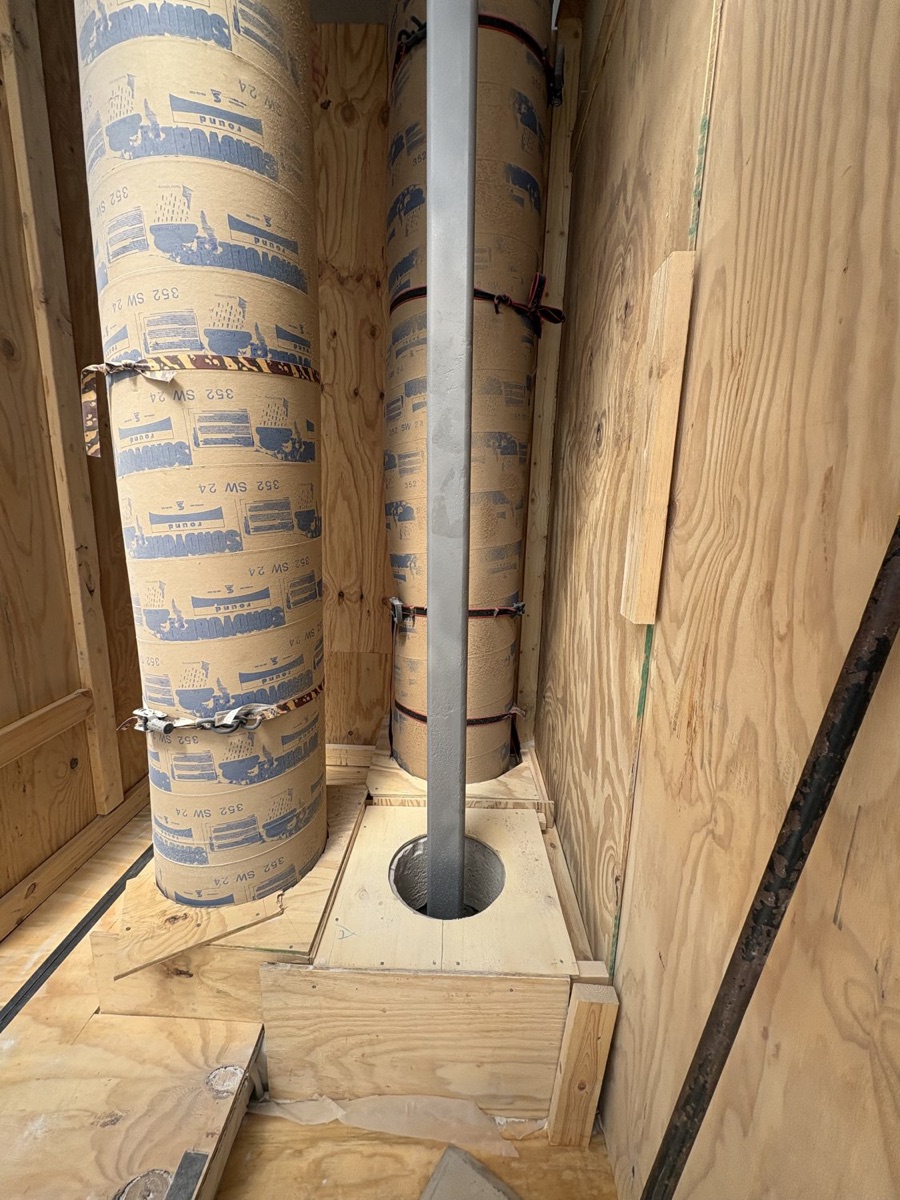
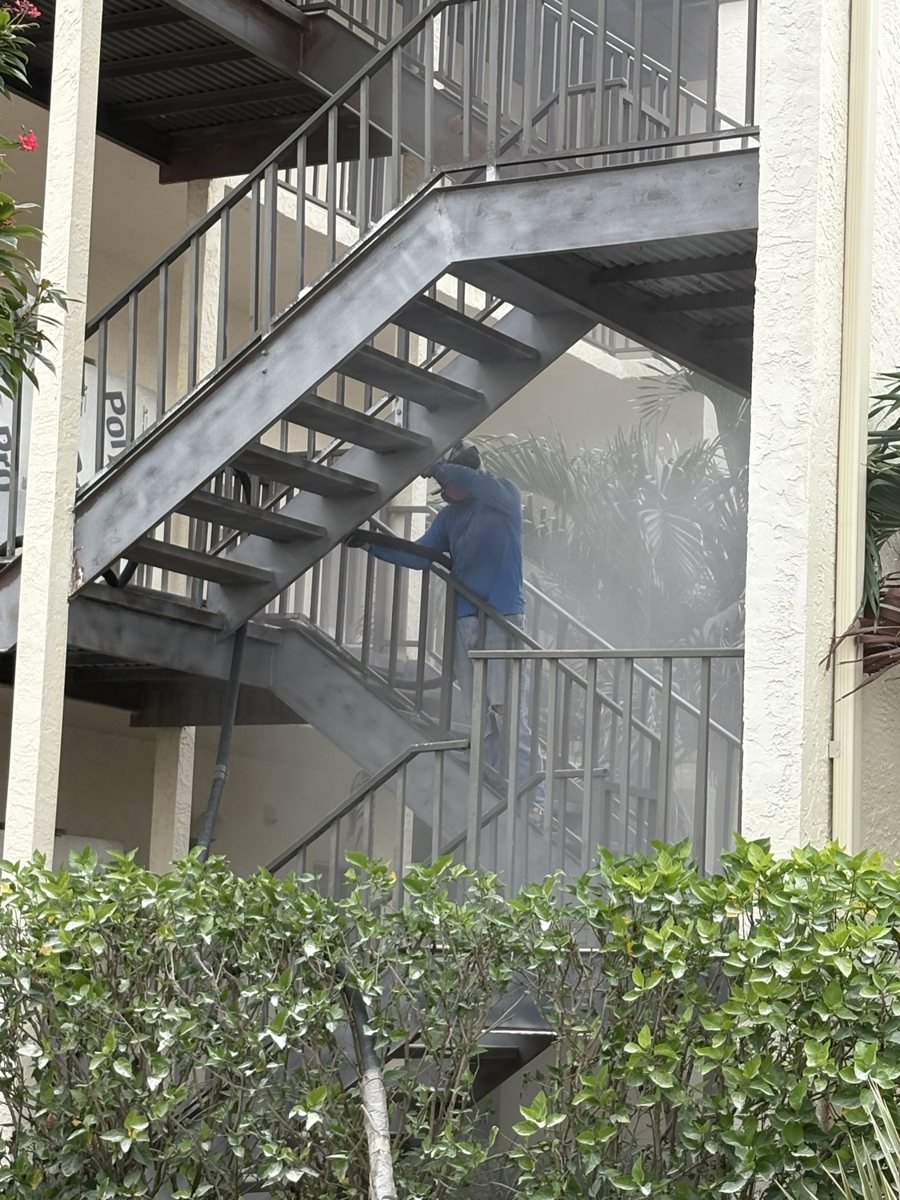
Gulf on one side, San Carlos Bay and Pine Island Sound on the other, canals through the middle and nothing tall to break the weather. We bring the rig over the causeway and strip hulls, steel, stone and wood where they sit.
SWFL Media Blasters is fully mobile, and on Sanibel that is the whole point. Everything arrives on the truck across the causeway, so a hull, a lift, a railing or a driveway gets worked on where it already is instead of being hauled off the island. Sanibel is surrounded: the Gulf on the south and west, San Carlos Bay and Pine Island Sound on the other side, canals cutting back to bay front and Gulf side homes. Salt reaches every address, the sun works on whatever the salt started, and the island's low rise character means very little shelter from either. We strip the failed layer back to sound material and coat it if you want it coated. Call or text (239) 227-1768.
Sanibel is a barrier island reached by the causeway, built low and kept low, with the Gulf beaches on one flank and San Carlos Bay and Pine Island Sound on the other. Canals run back into the neighborhoods and most waterfront lots carry a dock, a lift or a davit. Between the water and the building character there is no inland side to hide on and no tall structure blocking spray or sun, so salt settles on every outdoor surface on the island and stays until rain or a hose moves it.
What that does to finishes is consistent. Paint chalks and releases at edges. Aluminum pits under its coating. Steel scales at fasteners and welds first. Sealer on pavers and stone clouds, ambers or peels. Wood on ceilings, decks and posts greys out and goes blotchy. The failure almost always starts somewhere you cannot see it, under a coating or behind a bolt, which is why washing and recoating usually buy a season rather than a fix.
Sanibel took a direct hit from Hurricane Ian in 2022 and rebuilding has been part of the landscape since. New railings, new hardware and new steel are going in alongside structures that have stood a long time, and both ends of that need the same thing before a finish goes on: clean, sound material with a profile that actually holds. Preparing that surface is the work. The region is on our service area page, and the mainland side is Fort Myers.
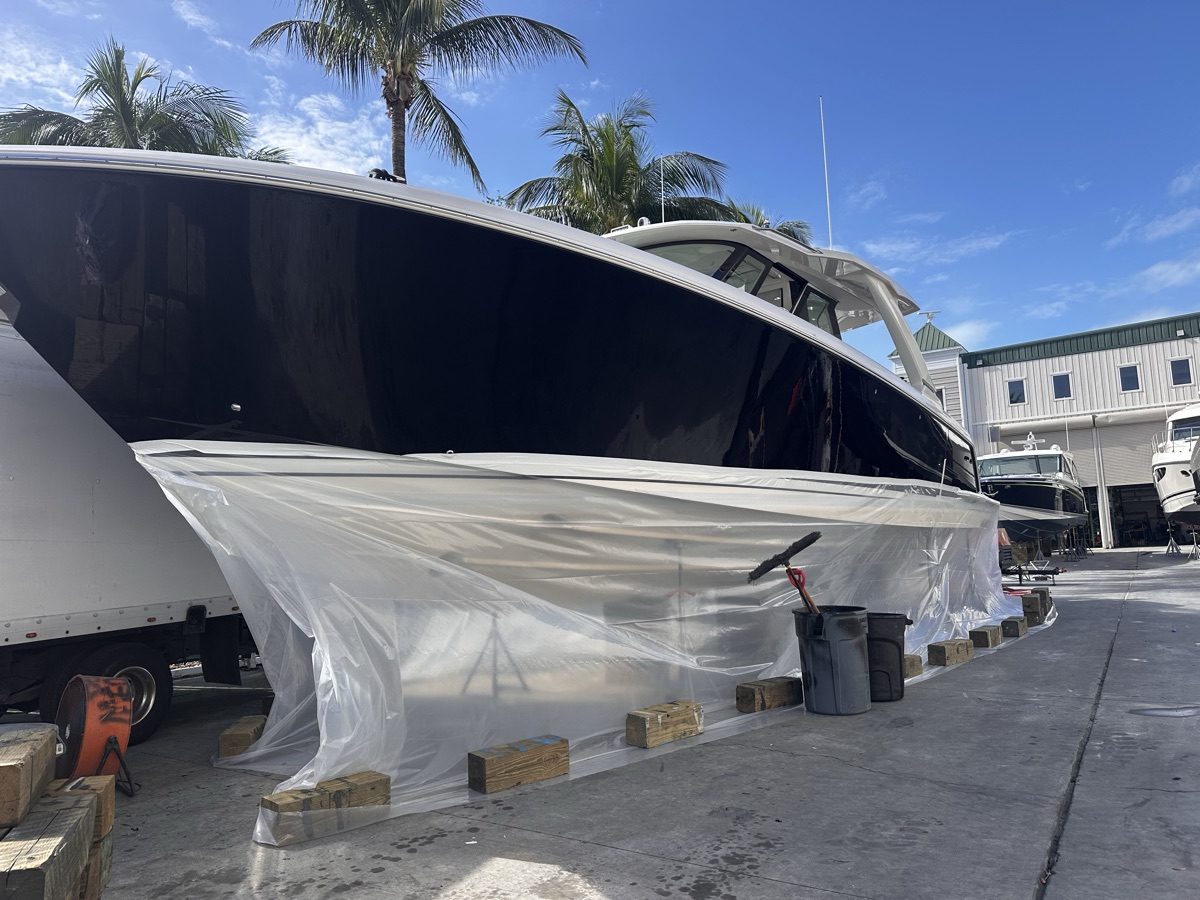
Sanibel is a boating island, and the boats here share the same two problems no matter where they are kept. Bottom paint gets recoated season after season until the build is thick, cracked and shedding, and the warm water of the bay and sound grows slime and barnacles the whole time it is happening. Blasting takes the coating and the growth off in one controlled pass and leaves sound gelcoat for a new antifouling to bond to.
The restraint is the craft. Enough energy to cut the coating, not enough to burn the laminate or chew a thin aluminum transom. Media and pressure get matched to the hull, we test somewhere it will not show, and on a hull with older repair work underneath we go carefully and tell you what turns up as it uncovers. Running gear, trim tabs, brackets, cradles and trailers get handled on the same visit.
Then there is the steel that never comes out of the weather: lift beams, motors and cables, davit arms, dock frames, ladders, cleats, piling hardware and seawall fixings. On a canal lot that hardware is in salt spray daily and it cannot be taken anywhere, so it gets blasted in place and primed or coated before we pull off site. Start with marine blasting and boat bottom paint removal, see the neighboring island page for Fort Myers Beach, or read the signs bottom paint needs removal.

Trailers take the worst of it. A boat trailer gets backed into salt water at the ramp, pulled out and parked in the sun, and nobody rinses the inside of the frame tube, so it scales from the inside out while the fenders rot at their mounts and the bunk hardware, brackets and rollers quietly give up. Utility trailers do the same with a heavier load riding on them.
After that it is the working vehicles: trucks and vans crossing the causeway daily and carrying salt air on every panel and every seam, service bodies due for refinishing, and the project cars, motorcycle frames and parts that sit in a garage on Sanibel absorbing humidity rather than spray. Undercarriages, frame rails, suspension components, wheels and panels all come back to bare metal, with media and pressure matched to the gauge so thin sheet does not warp and castings are not chewed up.
Because the rig travels, a half stripped frame never has to be trailered off the island and back. See automotive blasting and rust removal, plus rust removal on trucks and trailers in coastal Florida.
Housing on Sanibel runs to elevated homes, older cottages and low rise buildings tucked into heavy vegetation, and the outdoor surface list repeats across all of them. Railings, stair steel and balcony rail corroding at the welds and fasteners. Screen cage and lanai framing chalking and losing its finish. Pilings, ground level structure and outdoor stairs that live in damp shade. Paver drives, shell stone and travertine under sealer that has hazed, ambered or started peeling. Painted block and stucco with more than one coat on it. Tongue and groove ceilings, beams, posts and deck boards gone grey.
Each of those wants its own setup and choosing wrong is how a surface gets damaged. Baking soda is the gentle end for wood, aluminum and finished material. Crushed recycled glass and garnet cut rust and heavy coatings on steel. The wet dustless stream is what runs near screens, pools, plantings and a neighbor's property. We test a small out of the way area first, every time, and show you the result before the whole surface gets run. Older coatings can contain lead, which is why testing, containment and proper cleanup matter before an older painted exterior gets stripped.
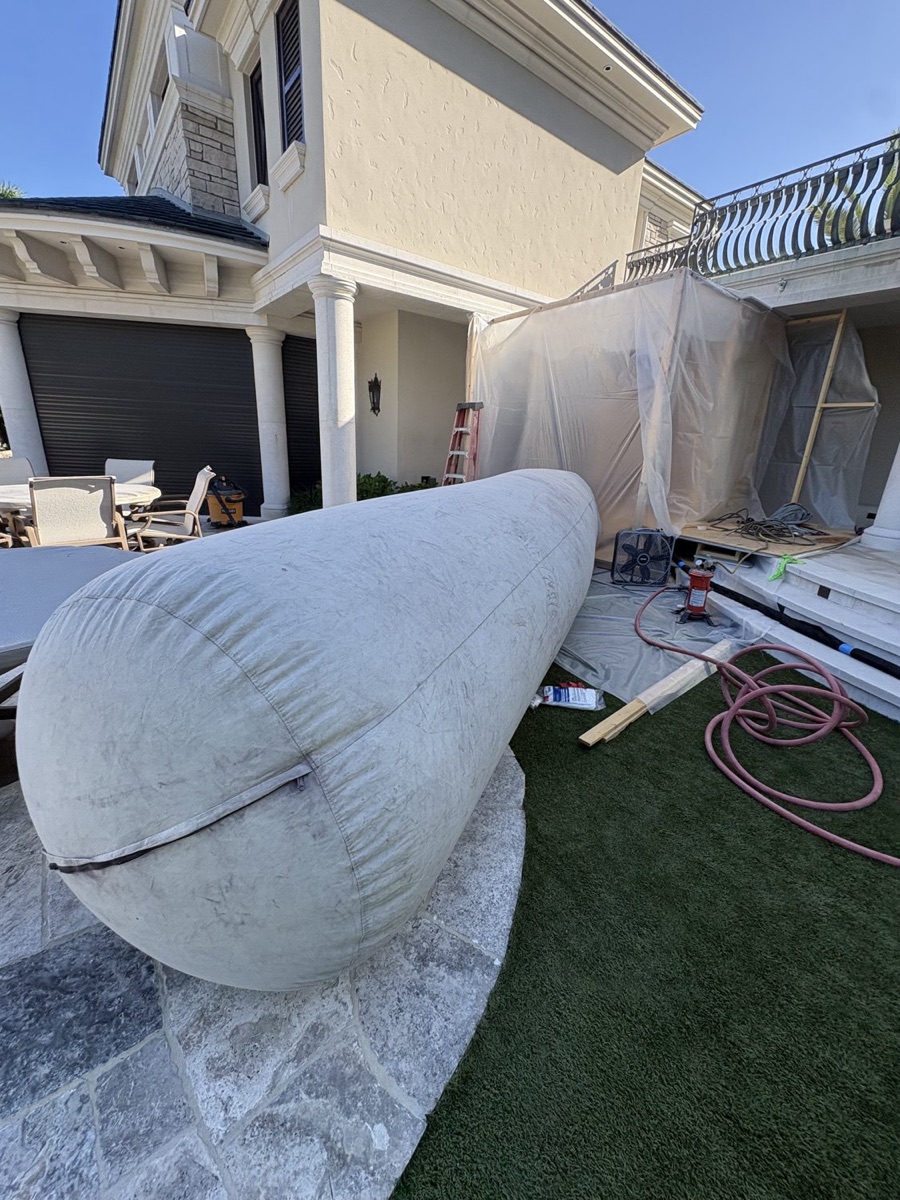
Vegetation and water are close to the work almost everywhere on this island, and the refuge land and mangrove edges are part of what makes people live here, so containment is not a courtesy. We mask, we control where rebound lands, and we pick up spent media before we go. The house side is covered on residential blasting, the stone and sealer question on paver sealer removal, and the deck itself in restoring a pool deck or lanai.

The commercial side of the island is resorts and inns, condominium and homeowner associations, marinas and marine services, restaurants and shops along Periwinkle Way, and the contractors working through the rebuild. Their metal fails in the same places every time: stair towers and handrails, walkway and canopy steel, columns and beams, bollards, gates, fencing and light poles, pool equipment enclosures, dock frames and seawall hardware. We strip failed coatings and corrosion off it on site, leave the profile an industrial coating needs, and carry it through to coating if that is what you want.
Working around an operating property means working around its guests and its hours, so we plan the schedule, contain the area, and clean up rather than leaving spent media in a walkway. If the association or the property has contractor hours, an approval process or its own containment requirements, tell us at the estimate and we will work inside them instead of around them.
Logistics on Sanibel come down to access. Everything we need rides on the truck, and what we ask from you is a way in, somewhere to stage near the work, and water and power if they are available. Tell us where the rig can park, how to reach a canal side backyard or a ground level under an elevated house, and whether there is a gate or a narrow drive to plan for. What the estimate weighs is the surface and its condition, how much area or how many pieces, what is coming off, access and containment, and whether coating follows. On-site estimates on Sanibel are free. Call or text (239) 227-1768, and see commercial blasting or dustless blasting in Fort Myers for the low dust version of all of it.
Based in Naples and mobile across Southwest Florida — we bring the rig to your home, marina, yard or job site. Call or text (239) 227-1768.
Yes. The rig is fully mobile and self contained, so we come across the causeway to the boat, the dock, the driveway or the jobsite, and nothing gets hauled off the island. Tell us where the item sits, how we get to it and what room there is to set up, and the visit gets planned around that. On-site estimates on Sanibel are free.
Yes. We work hulls on the lift, on the trailer and up on stands in a boatyard, whichever the boat is already sitting on. If it is at a marina, ask what they require of outside contractors for containment and cleanup and pass that along, because it decides how we tarp and where we can stage. Boat bottom paint removal covers how the process runs.
Not when the media and pressure are matched to the material, which is the entire skill in this trade. Gelcoat gets gentler media and the wet setup. Aluminum and thin sheet get a cool, low force approach. Travertine and shell stone get a light touch that lifts the coating without opening the stone. We test a small hidden area first, every time, and if a surface should not be blasted at all we say so.
Yes, and most of it has to be, since lift beams, davits, dock frames, seawall hardware and stair rail cannot be removed and taken anywhere. We blast it standing where it stands, cut the corrosion back to sound metal, and can prime or coat it on the same visit. That timing matters here, because bare steel in island air starts to bloom quickly once it has nothing on it.
Containment plus wet media. The dustless setup wets the abrasive at the nozzle so it drops at the work instead of drifting, and we tarp and mask, plan where rebound lands, cover pools, screens, vehicles and plantings, and pick up spent media before leaving. Near water and vegetation that plan gets made before the compressor starts. See dustless blasting.
Yes. Clouded, ambered, peeling or slick sealer is a broken film, and neither washing nor a fresh coat over it will clear it, because the new material bonds to the failed layer rather than to the stone. Blasting removes the film and the growth in the joints and leaves the surface at its own color, ready for fresh joint sand and an even reseal on a clean, dry base.
Call or text (239) 227-1768 with what you have and the address, and send photos if you have them. We come look in person, because the surface, how many layers are coming off, how far the corrosion has gone, the access and whether you want coating afterward all change the job. Estimates on site are free. We also work Fort Myers, Cape Coral and Fort Myers Beach.
We bring the rig across the causeway, strip it where it sits, and coat it if you want it coated. Call or text (239) 227-1768 for a free on-site estimate anywhere on Sanibel.
Tell us a little about the job and we'll get right back to you.
Thanks — we'll be in touch shortly to set up your free estimate.