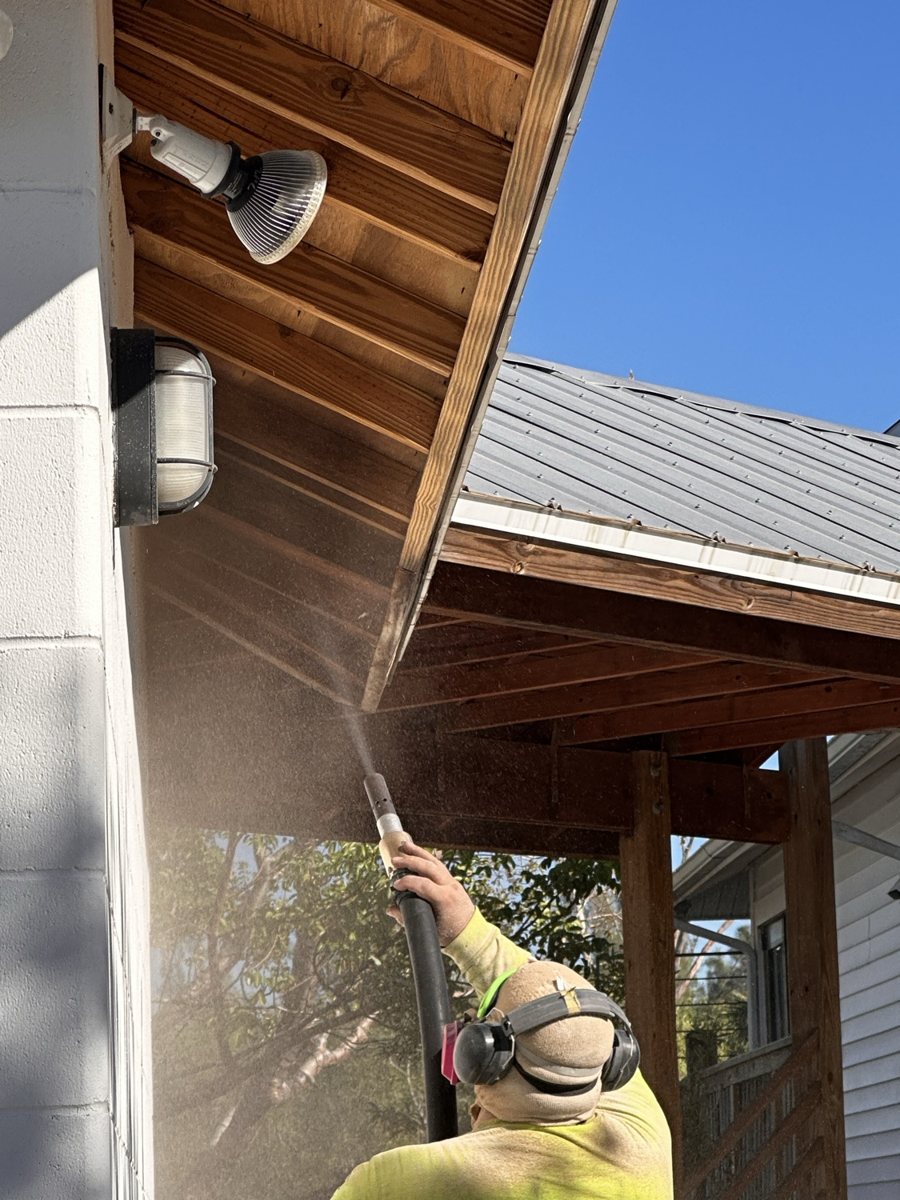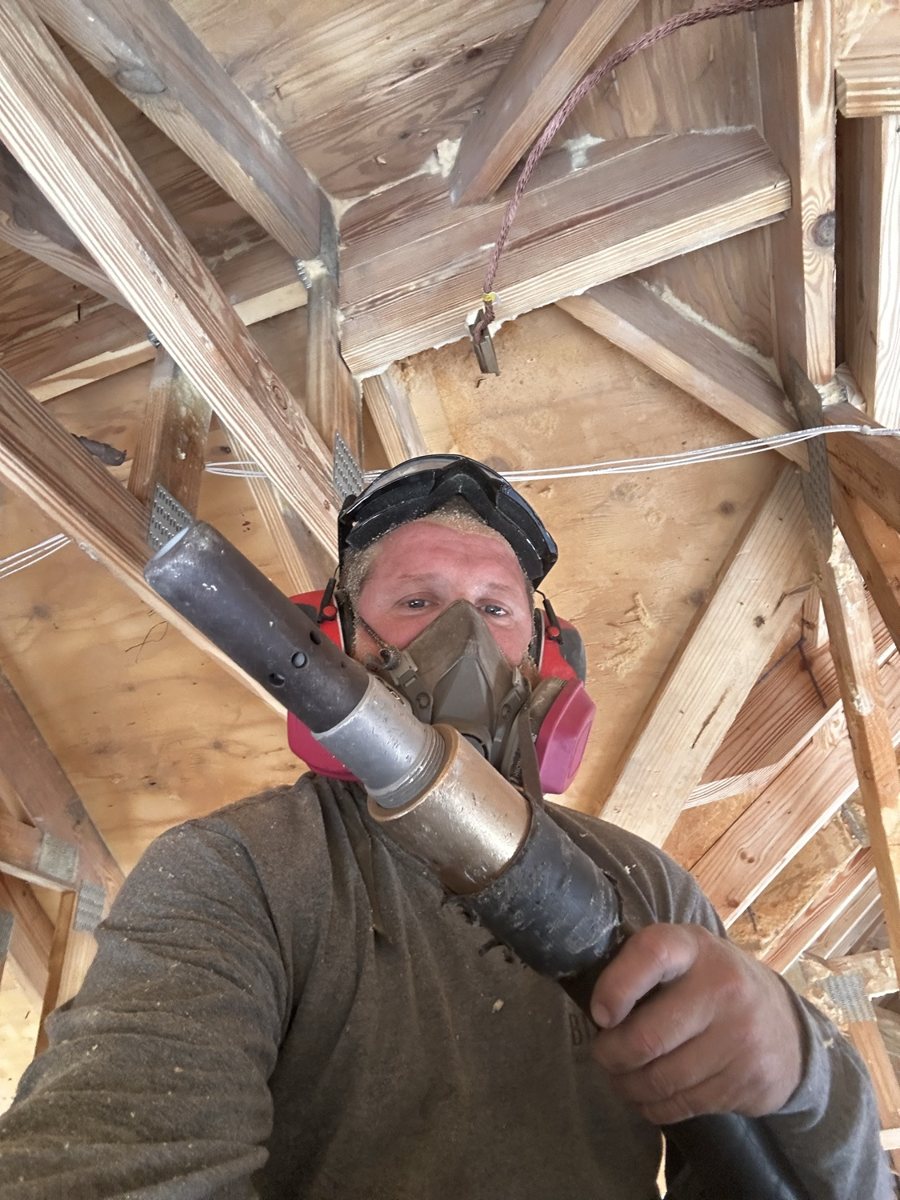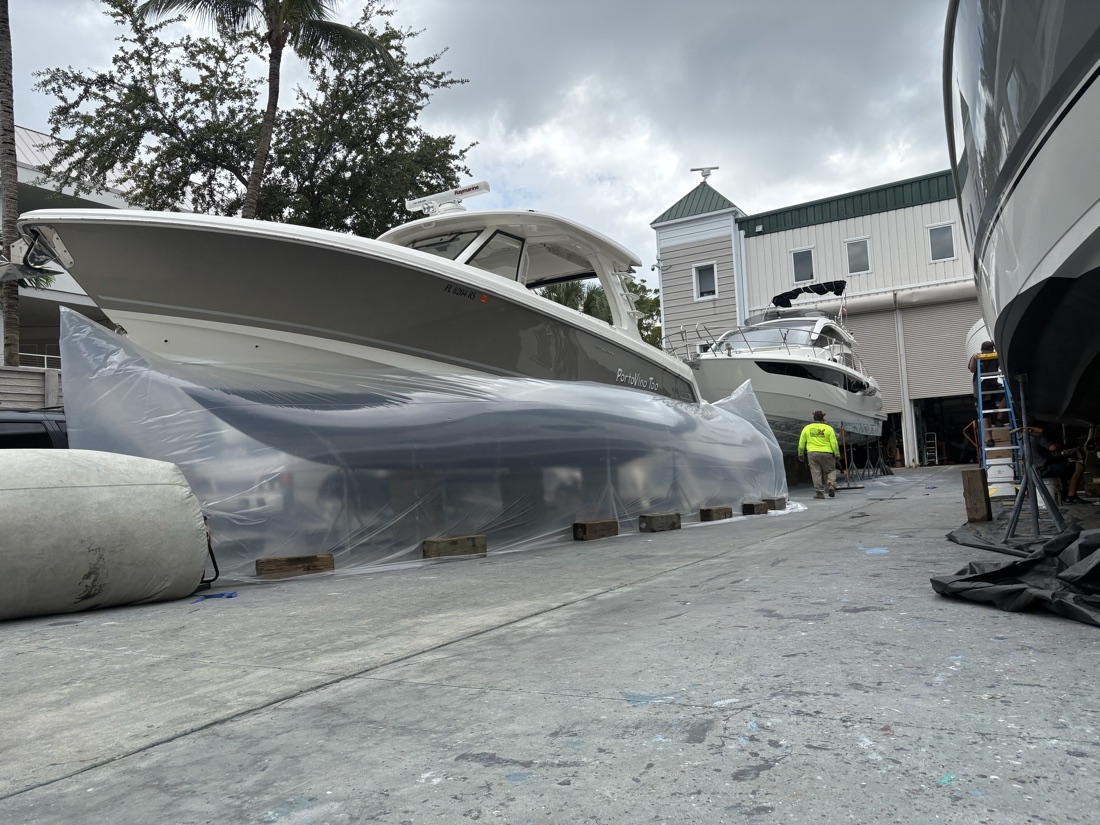
Water-suppressed blasting keeps the dust down and the surface cool, which matters when the lot is tight, the pool cage is right there and the neighbor's lanai is a few feet past the property line. We bring the rig to you on Marco Island.
SWFL Media Blasters brings dustless blasting to Marco Island, where the lots are tight, the neighbors are close and every surface outside is taking salt from all sides. Dustless means the abrasive rides in water, so the cloud that open dry blasting throws gets knocked down at the nozzle and the surface stays cool instead of heating up. On a canal island covered in pool cages, screens, seawalls, landscaping and somebody's lanai a few feet away, that difference is often the reason the work can happen at your address at all. Blast it, prep it, coat it. Call or text (239) 227-1768 for a free on-site estimate.
Marco Island is a canal island. Hundreds of saltwater canals run behind the houses, each one lined with seawall and private docks, and the lots along them are not big. Driveways are short, houses sit close on both sides, and between you and the water there is usually a screen cage, a pool, pavers and landscaping that nobody wants sandblasted by accident. Dry blasting in that setting puts a cloud exactly where you do not want one.
Water suppression solves most of that at the source. The media travels wet, so the dust drops instead of drifting onto the neighbor's screen, the boat on the next lift, or the pool you just had serviced. It also lets us work closer to the things we are not stripping. The full dustless blasting service page walks through how the process works across Southwest Florida.
Everything a mobile crew needs on Marco comes over a bridge, in on Collier Boulevard from the north or through Goodland from the east, and the rig, the media, the water and the containment all ride along. Once we are there, setup is most of the job. We tarp and screen the work area, protect what is staying, keep spent media and coating debris out of the canal and off the seawall, then sweep it up and haul it off when the work is done.
Plenty of Marco properties sit behind gates, and condo towers and associations tend to have their own expectations about noise, dust, parking and work hours. Tell us what applies to your building or your street when you call, and the setup and the schedule get planned around it instead of discovered the hard way. Access matters too: we need a way in for the truck and somewhere to stage.
Heat is what warps a panel. Dry blasting builds it fast on thin aluminum, light gauge steel and small fabricated pieces, and once a skin distorts you are into bodywork nobody budgeted for. Water in the stream carries that heat away, so a thin surface can be stripped without cooking it. That is why dustless is our default on aluminum, on sheet metal and on anything with a large flat face.
Media choice does the rest. Crushed recycled glass and garnet cut through paint and rust, baking soda handles delicate and intricate pieces where a hard abrasive would be too much, and pressure gets dialed to the surface in front of us rather than left on one setting. That range is what makes soft materials workable too, from a weathered lanai ceiling to old trim. See soda blasting for the gentlest end of what we run.

On an island the salt comes from every direction: off the Gulf, off the Marco River, off Caxambas Pass and off the canal ten feet behind the house. It finds aluminum and steel and it does not let up. Boat lift frames, cables and mounts, davits, dock brackets and piling caps, railings, gates, hurricane hardware, outboard brackets and light poles all give up their coating and start blooming rust or chalky white corrosion long before anyone expects it.
Painting over that traps it and buys a season at best. We blast the corrosion and the failed coating off completely, down to sound metal with a profile primer can bite into, and we can prime and coat it in the same visit so the repair holds instead of bubbling back. Our rust removal page has more detail, and the Marco Island page covers everything else we do on the island.
When the containment comes down you have a bare, uniformly profiled surface, not a half-stripped one. The profile is the point: coatings hold onto texture, and a surface that was chemically stripped or sanded slick gives primer much less to grab. Dustless leaves that surface clean and slightly damp, so timing between the blast and the first coat matters, especially on bare steel in salt air where flash rust starts quickly.
That is why we would rather carry the job through. We can hand it back bare and ready for your painter, or prep and coat it ourselves so nothing sits exposed waiting on the next crew. If what you actually need stripped is a hull, see boat bottom paint removal on Marco Island. If you want the methods compared side by side, read dustless vs sand vs soda blasting.

Based in Naples and mobile across Southwest Florida — we bring the rig to your home, marina, yard or job site. Call or text (239) 227-1768.
It is a large reduction, not a magic trick. Carrying the abrasive in water drops most of the airborne dust right at the nozzle instead of letting it drift, which is what makes the work reasonable on a tight Marco lot with neighbors on both sides. There is still a contained work area and still cleanup. What you do not get is the cloud that open dry blasting puts over the whole street.
Usually, if we know them up front. Buildings and associations set their own expectations for noise, dust, work hours and where a crew can stage, and they are not all the same. Send us whatever your management requires and describe the access when you call, and the setup and the schedule get built to fit. We would rather sort that out before the rig is on the island.
Not when the area is masked and contained properly, which is most of the setup time on a Marco job. We tarp and screen what is staying, keep the stream aimed where it belongs, and match media and pressure to the surface we are actually stripping. If something nearby cannot be protected well enough to be safe, we will say so at the estimate rather than after.
That is exactly what the water is there for. Heat is what distorts thin aluminum and light gauge steel, and a wet stream carries the heat off instead of building it into the panel. We also match media to the metal: crushed glass or garnet where rust and coating need cutting, baking soda where the piece is thin, intricate or delicate. See blasting aluminum vs steel for the difference.
We come to you. The whole operation is mobile out of Naples, and the rig runs down Collier Boulevard and over the bridge. We set up in driveways, on docks and seawalls, at boat lifts, in garages and at commercial properties around the island. Nothing gets hauled off to a shop, which matters when the thing that needs stripping is bolted to your dock.
Contained, then hauled off. The work area gets set up so spent media and coating debris collect where we can recover them instead of washing toward the canal or the street, and then we sweep, bag and take it with us. The abrasive itself is largely recycled glass. Older coatings can contain lead, which is one more reason containment matters, so tell us if the surface is old.
Free on-site estimate, and there is no honest way to quote it sight unseen. What moves the number is the square footage, the surface underneath, how many coatings are on it, how far the corrosion has gone, how tight the access is, how much containment the location needs and whether you want it coated afterward. Call or text (239) 227-1768 and we will come look at it on Marco.
Free on-site estimates from the driveway to the dock. Call or text (239) 227-1768 and we will come look at it before anything gets set up.
Tell us a little about the job and we'll get right back to you.
Thanks — we'll be in touch shortly to set up your free estimate.