Sandblasting is the word everybody searches, but what actually comes off the truck is usually crushed glass, garnet, baking soda or a wet dustless stream. On an island with salt water on every side, picking correctly is most of what matters.
Properly, this trade is abrasive or media blasting. A stream of abrasive gets driven at a surface to knock loose whatever is sitting on it: paint, rust, scale, failed sealer, marine growth or years of baked on grime. What is left behind is clean material with a slight texture, and that texture is what primer, paint and coatings actually grip.
True sand sees limited use now, because cleaner and better performing abrasives beat it on most surfaces. Crushed recycled glass is the workhorse for steel, heavy rust and stubborn coatings. Garnet is denser and hits harder, which is what serious corrosion and industrial steel want. Baking soda is the soft option for aluminum, fiberglass, thin sheet, engine parts and anything intricate, because it strips without cutting into the substrate. Dustless, or wet, blasting adds water to the stream so dust drops instead of drifting and the surface stays cool while it is being worked.
We carry that range because Marco Island does not hand you one kind of job. Background on the whole method is on our sandblasting page, and the side by side is in dustless versus sand versus soda blasting.
Most coastal towns have a wet side and a sheltered side. Marco Island does not. The Gulf works one flank, the Marco River and Smokehouse Bay work the other, and canals run through the middle of the residential grid, so salt air reaches the whole island from more than one direction. Add the sun load and the summer storms and corrosion starts earlier and moves faster than the same house would see inland.
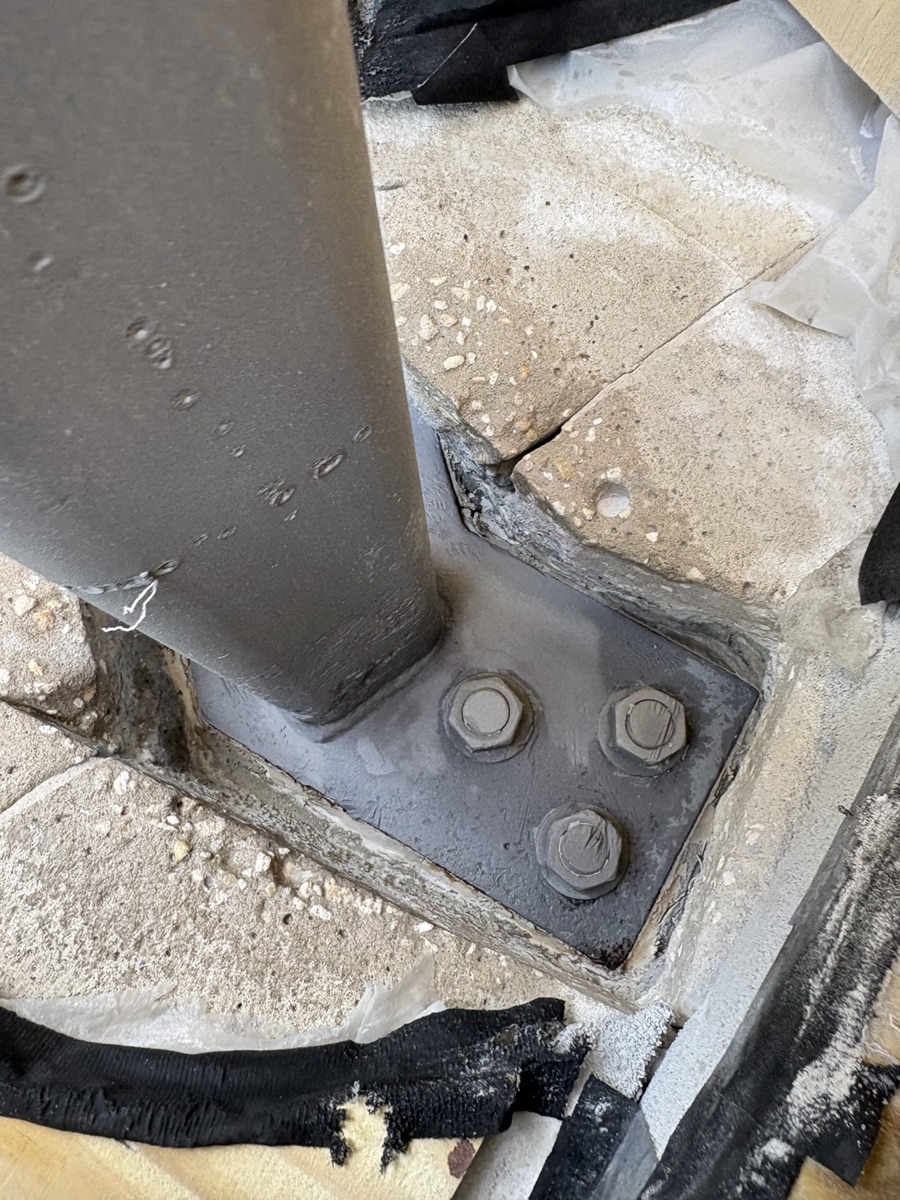
It shows up in a predictable order. Fasteners and hardware go first, then edges and welds, then the coating starts lifting from underneath where nobody can see it yet. Screen cage frames chalk out. Railings weep rust down the stucco. Gate hinges seize. Lift motors, cables, cradles and beams sit over salt water all day long. Trailer frames scale from the inside out. Outboard brackets, dock hardware, shutter tracks and light poles all follow.
Painting over any of that traps the corrosion and buys a season at most. Blasting takes it back to sound material and leaves the profile the next coating needs to bite into. That is the whole argument for doing it properly, and it is why rust removal and coating belong in the same visit rather than months apart.

Marco Island is a boating island. Canal homes with a lift out back, slips and dry storage along the Marco River, and trailers parked on any lot with room for one. Warm water grows slime and barnacles quickly, ablative bottom paint keeps getting recoated until the build is thick and cracking, and the steel and aluminum around the boat corrodes on the same schedule.
We strip bottom paint and growth back to sound gelcoat, working with media and pressure light enough that the laminate underneath is not what pays for the job. Running gear, trim tabs, brackets, trailers, cradles and lift steel get blasted to clean metal and can be primed or coated before we pull off site, which matters here because bare steel does not stay bare in this air for long.
The detail on hull work is on our marine blasting page and on boat bottom paint removal on Marco Island. If you are trying to decide whether yours is due, read the signs bottom paint needs to come off.

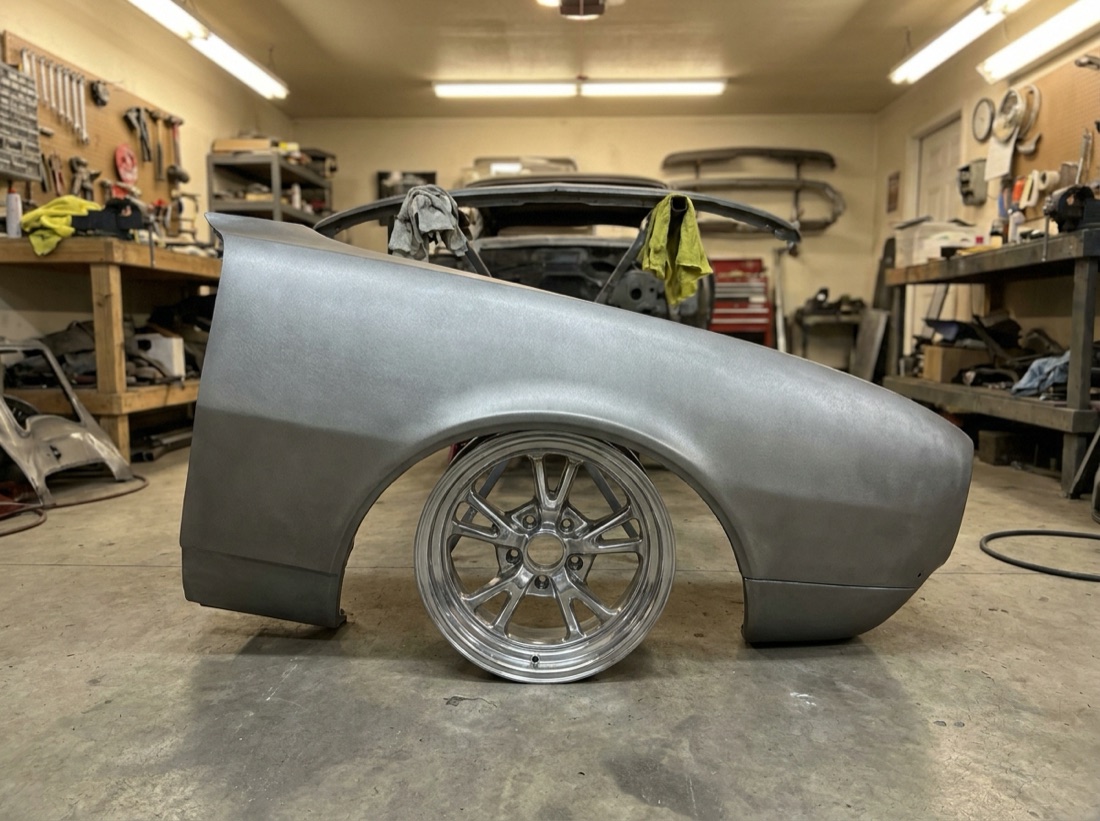
The automotive side of an island is trailers, trucks, project cars, motorcycle and cart parts, and the daily driver that has sat in salt air long enough to bubble at the rockers and the seams. We blast frames, undercarriages, suspension parts, wheels and panels back to clean bare metal, matching pressure and abrasive so thin sheet does not warp and castings do not get chewed. Because the rig is mobile, a half stripped frame never has to leave the garage. Start on automotive blasting.
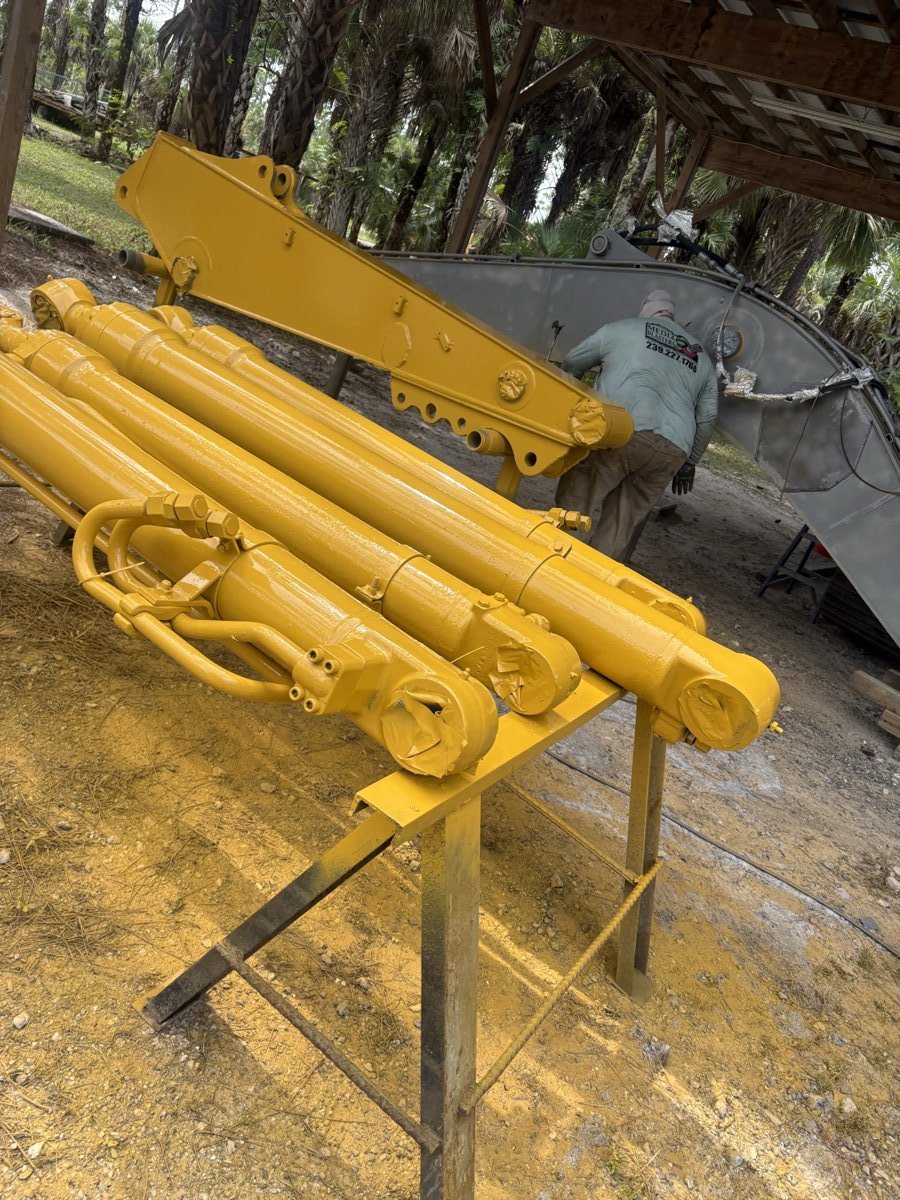
Commercial work on Marco Island looks like the island itself: condo and resort properties, restaurants and shops, marinas and dry storage, and the shared metal that ties an association together. Stair towers, handrails, balcony steel, canopies, bollards, gates, pool equipment enclosures, light poles, dumpster surrounds and dock hardware all reach a point where recoating over the rust stops working. We strip, profile and coat those on site and schedule around residents and business hours. More on commercial blasting.

Everything reaches Marco Island the same way, over the bridge and down Collier Boulevard, and that shapes how a mobile job gets planned more than distance ever does. We stage once, work the whole list while the rig is set up, and try not to turn one job into two trips. If you have several items, group them and say so at the estimate.
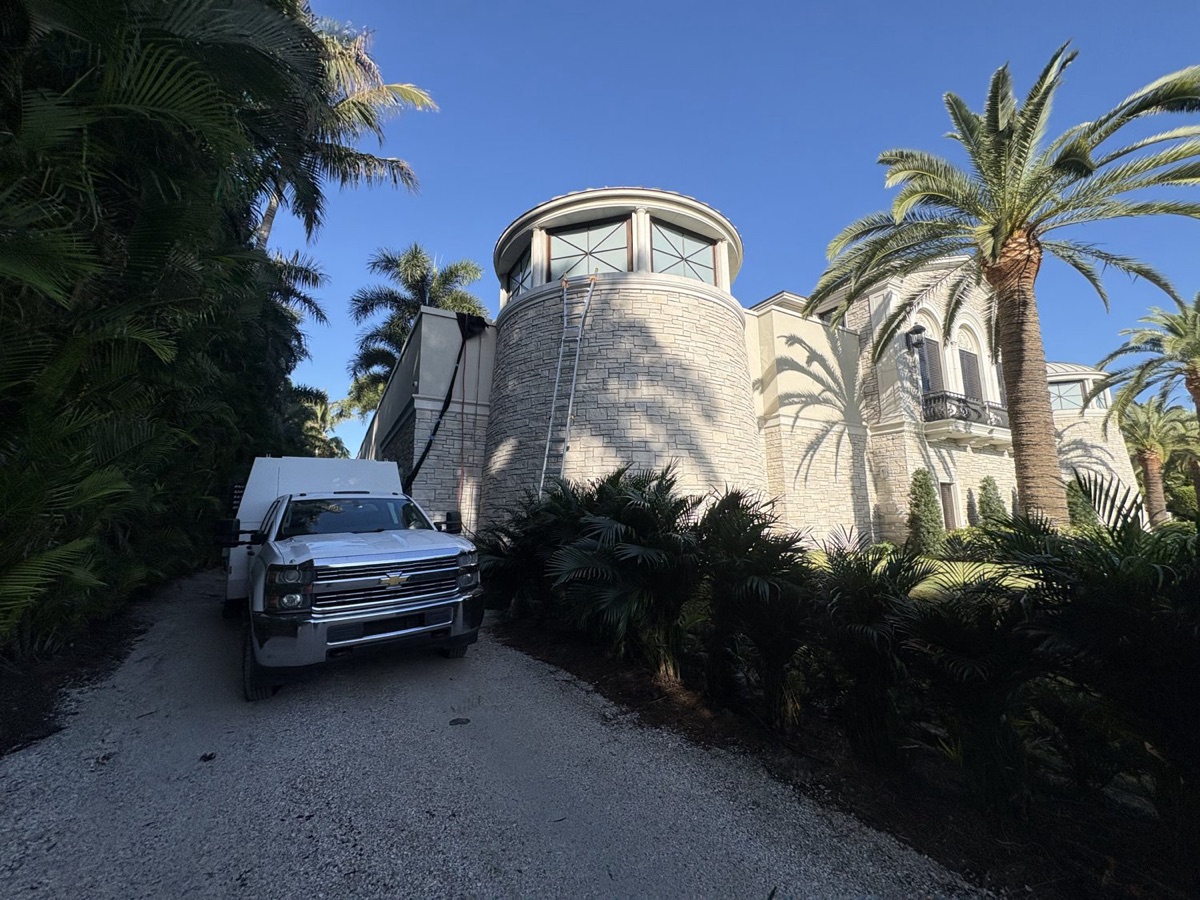
Once we are on the property, space is the real constraint. Island lots run tight, with short setbacks and short driveways, and on a canal home the work is usually in the backyard with open water on the far side of it. So containment gets planned first: tarps and masking, a hose path, and the wet dustless setup near screens, pools, neighboring lots and anything sitting over the water. That side of it is on dustless blasting on Marco Island. On a condo or association property, tell us what your board or property manager wants from us. We are licensed and insured, and we will put the surfaces, the media and the containment plan in writing so you have something to hand them.
What we need on site is a place to park the rig, a path to the work, water and power. Cost depends on the size and count of the pieces, what is coming off, how far the corrosion has gone, access and containment, and whether we coat it after. We look first, then quote. Call or text (239) 227-1768, or see everything we cover on the Marco Island page.
Based in Naples and mobile across Southwest Florida — we bring the rig to your home, marina, yard or job site. Call or text (239) 227-1768.
Yes in the sense that everybody calls it that, and no in the technical sense. The trade name is abrasive or media blasting, and the abrasive gets chosen for the surface in front of it. On this coast that usually means crushed recycled glass, garnet, baking soda or a wet dustless stream rather than true sand. The method does not change. The media is what changes, and the media is what protects the material underneath.
We come to you. The rig is self contained and sets up in your driveway, at the lift, in the yard or on the jobsite, so a boat, a trailer, a gate or a frame never has to be loaded up and taken off the island. That is the entire point of a mobile setup. Tell us where the item sits and how we get to it when you call.
It depends on what is on the hull and what the hull is made of. Stacked ablative paint over solid gelcoat takes a different setup than a thin aluminum transom or a hull carrying previous repair work. Soda and wet dustless sit at the gentle end, crushed glass and garnet at the aggressive end. We look, test a small area, then run it. See soda versus sandblasting a boat hull.
It can if the setup is wrong, which is exactly why the setup is the job. Heat and too much pressure are what warp thin metal and burn through gelcoat, and an aggressive abrasive will open the pores on soft stone. We match media, pressure, nozzle distance and angle to the material, and we test somewhere it will not show before committing. If we think a surface should not be blasted, we say so.
Containment and wet media. Marco Island lots have short setbacks, so we tarp and mask the work area, plan where rebound lands, and run the dustless setup near screens, pools, vehicles, landscaping and the property line. Wet dust drops instead of drifting. We also pick up spent media rather than leaving it behind in the yard.
Yes. Tell us what your board or property manager needs from us ahead of the day and we will describe the surfaces, the abrasive, the containment and the schedule in writing so you have something to submit. Common items are stair towers, handrails, balcony steel, gates, canopies, pool enclosures and light poles. We schedule around residents wherever we can.
We do not quote a surface we have not seen. What moves the number is the size and count of the pieces, what is being removed and how many layers there are, how bad the corrosion is underneath, how hard the area is to reach and contain, and whether we coat it after the strip. On-site estimates are free. Call or text (239) 227-1768 and we will come take a look.
The rig comes over the bridge to your driveway, your lift or your jobsite. Call or text (239) 227-1768 for a free on-site estimate anywhere on Marco Island.
Tell us a little about the job and we'll get right back to you.
Thanks — we'll be in touch shortly to set up your free estimate.