Cape Coral boats live in the water behind the house, so antifouling stacks up season after season. We blast the whole stack back to clean, sound gelcoat at your lift, your seawall or the yard where the boat gets hauled, then leave it ready to barrier coat.
SWFL Media Blasters strips boat bottom paint in Cape Coral, and this city gives us plenty of practice. Cape Coral has more navigable canals than any city in the world, commonly counted at over 400 miles of them, so most boats here never see a trailer. They hang on a lift or float at the seawall a few steps off the back door, in the water all year, picking up growth and another coat of antifouling every season. Stack enough of those coats and the bottom gets heavy, brittle and starts sheeting off. We blast that whole history back to clean gelcoat in one controlled pass, then hand it over ready for barrier coat and fresh paint. Call or text (239) 227-1768.
In most towns a boat lives on a trailer and gets splashed on weekends. In Cape Coral it lives in the water, and that changes everything about the bottom. A hull sitting in warm water year round fouls continuously, so owners here repaint on a schedule, and each new coat usually goes straight over the last one.
Where the boat sits matters too. On the Gulf-access side, out through the Caloosahatchee, Matlacha Pass and Pine Island Sound, the water runs brackish to salt and barnacles are the enemy. Some of those boats pass the Chiquita lock on the way out, some run east up the river toward the Ortona lock. On the freshwater canals there are no barnacles, but slime, algae and waterline staining still work on the coating and the paint still ages out. Either way the layers keep stacking until they lose their grip.
Once ablative paint chalks through to a different color, or hard antifouling chips off in sheets, another coat only buries the failure. Our boat bottom paint removal service takes all of it off at once. Not sure yours is due? Read the signs a bottom needs stripping.

Nothing tells you the truth about a hull like taking it back to bare gelcoat. With the stack gone you can see blisters, voids and soft spots, old repairs that got painted over, where the boot stripe actually belongs, and whether the gelcoat under all that paint is sound. Owners chasing a drag problem or watching bubbles push through fresh paint usually get their answer early.
Getting there without hurting the laminate is the whole job. We match media and pressure to your hull, leaning on crushed glass or soda on gelcoat and fiberglass, and we can run it wet to keep the surface cool (that is dustless blasting, same rig, water added at the nozzle). We test a small area before we open up, then work the bottom, the keel, the strut pockets and the shadows behind the trim tabs evenly. Heavy sanding burns through gelcoat in a hurry and chemical strippers soak in. Blasting lifts the coating off and leaves a light, even profile that primer grabs.
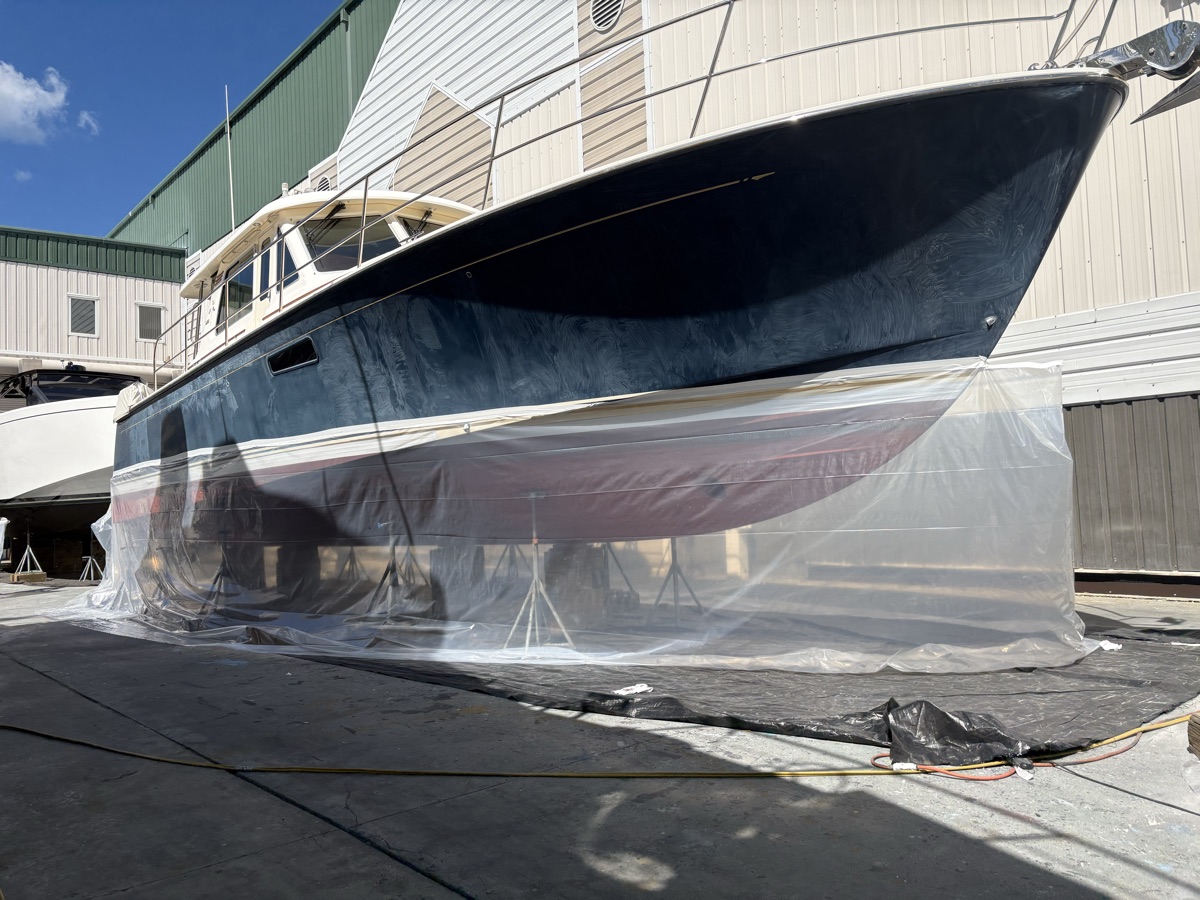
We are fully mobile, so the rig comes to the boat instead of the boat going to a specialty shop. On a Cape Coral lot that usually means backing into the driveway off a corridor like Del Prado or Santa Barbara, running lines down the side yard, and setting up between the seawall and the pool cage. We tarp and contain the work area so spent media and coating chips get collected instead of drifting into the canal or onto the neighbor's dock.
Whether we can strip a bottom right on your lift depends on the boat and the lift. The hull has to be up, dry and reachable all the way around, with room to work a nozzle underneath and room to contain the debris. Plenty of Cape boats come out better after a haul-out, blocked on stands or on the trailer at a yard, and we work there just as easily under that yard's rules. Tell us where the boat sits and we will tell you which one makes sense. More on how we cover the city on our Cape Coral page.

Blasting is the prep, not the finish. When we pull off you have a clean, fair, lightly profiled bottom that is ready for the next step, and what that step is depends on what the strip found. A sound, dry hull can move straight into a barrier coat system and fresh antifouling. A hull with blisters needs time to dry out, and a repair shop to grind, fill and fair, before anything gets sealed over it.
From there it is your call. We can hand the boat back bare for your yard or your bottom paint crew, or carry it through and coat it ourselves. Blast it, prep it, coat it, with the coating half optional. If you are deciding what goes back on, read prepping a hull for new antifouling and how often to redo bottom paint. In a city like Cape Coral, where the boat stays in the water all year, the system you choose matters as much as the strip.
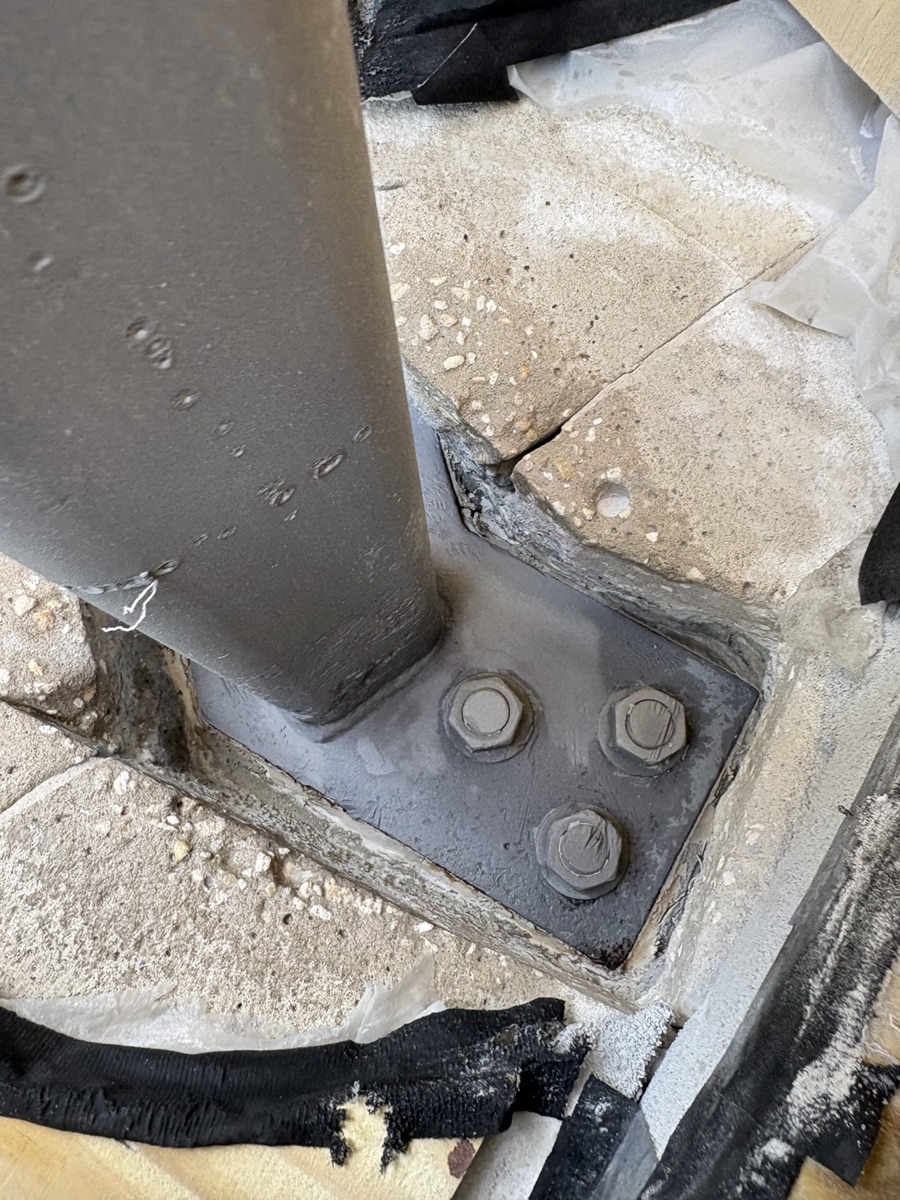
The hull is rarely the only thing corroding on a Cape Coral canal lot. Lift cradle beams, bunk brackets, cables, motor housings and the fasteners holding all of it together sit over brackish water and take the same beating the bottom does. Same story for trailer frames and fenders on the boats that do get hauled, and for struts, shafts and rudder shoes that come out of the water chalky and pitted.
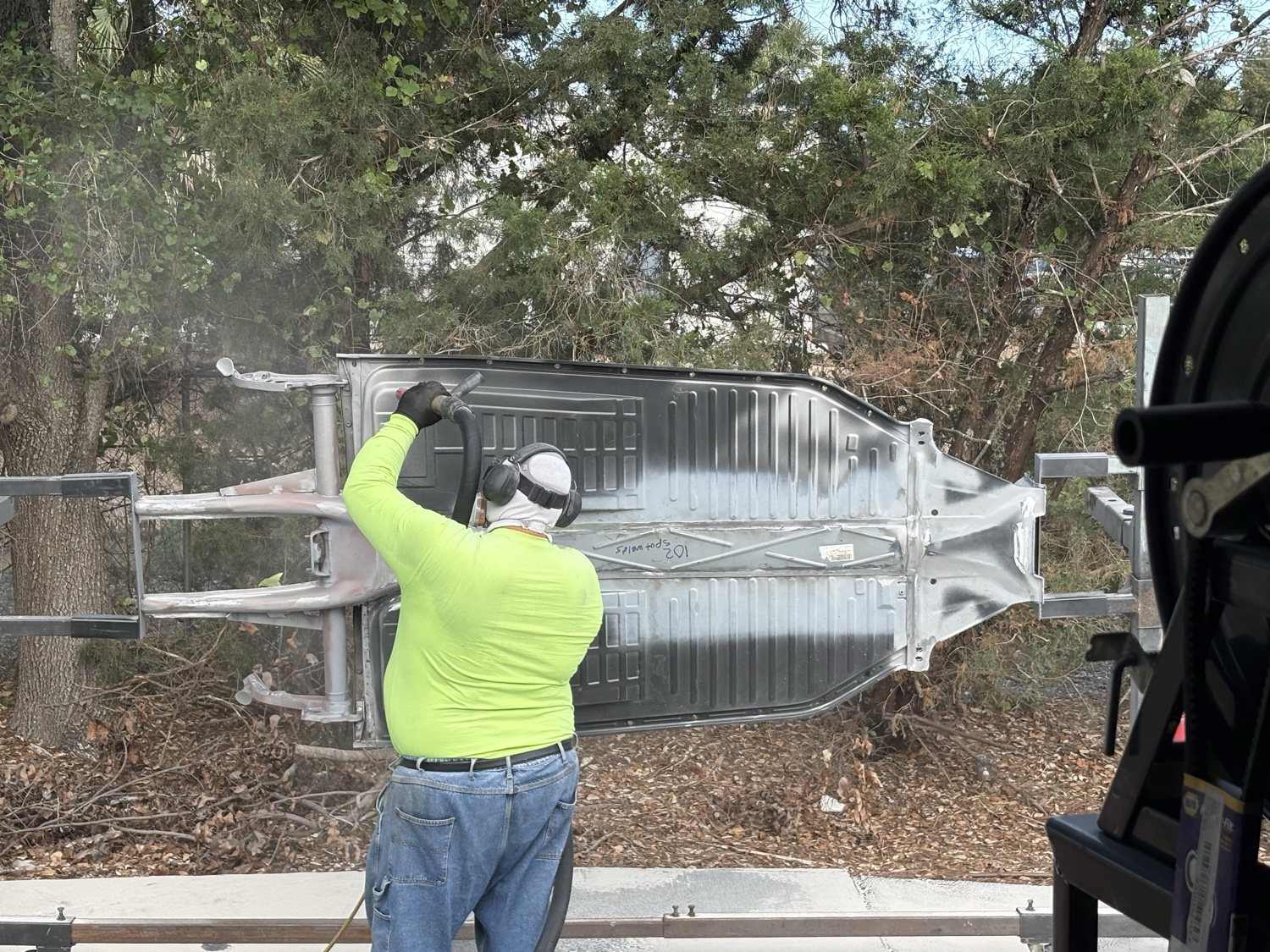
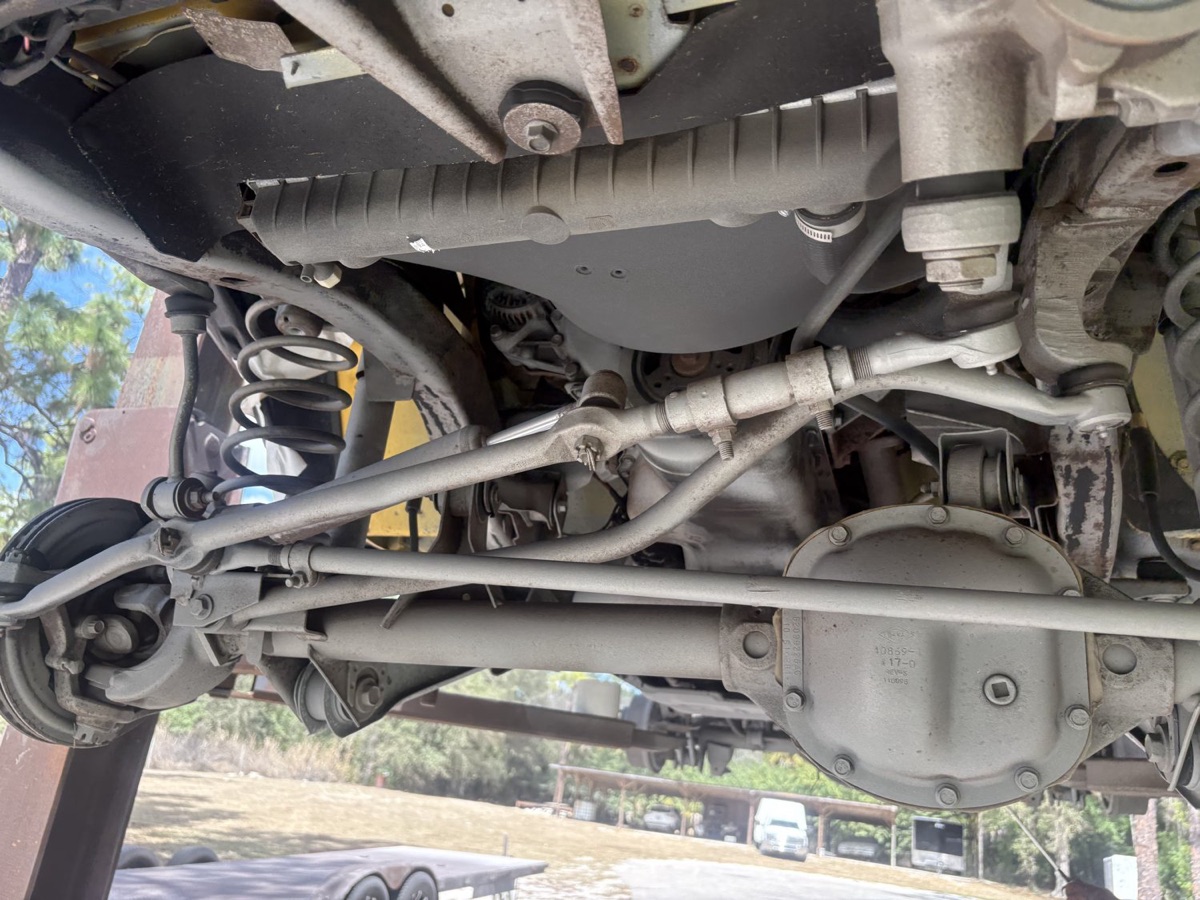
Since the rig is already on site, that is the easy moment to deal with the rest of it. We blast rust and failed coating off metal down to clean, profiled steel or aluminum, and because the process runs cool we are not warping thin aluminum the way a grinder can. See rust removal for what that looks like, or rust on trucks and trailers in coastal Florida for the trailer side of it.

Based in Naples and mobile across Southwest Florida — we bring the rig to your home, marina, yard or job site. Call or text (239) 227-1768.
Yes. We are fully mobile and based in Naples, and Cape Coral is regular territory across all four quadrants. The rig, the compressor and the containment come to your address, whether the boat is on the lift behind the house, blocked on stands at a yard, or sitting on the trailer in the driveway. Tell us where it is and how we get to it.
Sometimes. The hull has to be up out of the water, dry and reachable all the way around, with room underneath to work a nozzle safely and room around it to contain the debris. Plenty of Cape Coral lifts allow that and plenty do not. Boats that sit tight on the lift come out better after a haul-out, and we will meet the boat at the yard instead.
Not when the media and pressure are matched to the hull. On gelcoat and fiberglass we run softer, controlled media such as crushed glass or soda, and we can run it wet to keep the surface cool. We test a small area before we open up. Heavy sanding burns through gelcoat quickly and chemical strippers soak in, which is why blasting is the gentler way back to bare.
Often, yes. The freshwater canals do not grow barnacles the way the Gulf-access side does, but algae, slime and waterline staining still work on the coating, and paint still ages, chalks and loses adhesion over the years. The tell is the same either way: chipping, sheeting, a different color showing through, or fresh paint that will not stay put. Once the stack starts failing, whatever you put on top fails with it.
Containment. We tarp and enclose the work area before anything gets stripped, we can run wet so the media carries weight and falls instead of drifting, and we collect the spent abrasive and coating debris when the work is done. That is the main reason we lean on dustless blasting on canal lots, where the water is a few steps from the job.
Because a new coat cannot fix the layer underneath it. Once the stack below is brittle or losing grip, the new paint leaves with the old, usually in sheets, and you have paid for a bottom job that lasted a season. All that buildup adds weight and drag too. Taking it back to clean gelcoat gives the next system a known, sound surface to bond to.
Call or text (239) 227-1768 with the boat, the length and where it sits. What drives a bottom job is hull size, how many layers are stacked on it, the condition of the gelcoat underneath, access and containment, and whether you want it coated after. Estimates are free and done on site, because we would rather see the bottom than guess at it. Background reading: what goes into bottom paint removal cost in SWFL.
Free on-site estimates anywhere in Cape Coral, on the lift or at the yard. Call or text (239) 227-1768 and we will bring the rig to the water.
Tell us a little about the job and we'll get right back to you.
Thanks — we'll be in touch shortly to set up your free estimate.