Cape Coral lots are narrow, the canal sits right behind the house and the neighbor is close. Dustless blasting mixes water into the abrasive so the media falls instead of drifting, which is what makes stripping paint and rust possible in close quarters.
SWFL Media Blasters runs dustless blasting across Cape Coral, which is exactly the kind of place the method suits. Water goes in with the abrasive right at the nozzle, so the media hits heavy and falls instead of hanging in the air. On a quarter acre canal lot with a seawall out back, a screened pool cage on one side and a neighbor a short walk away, that difference is the entire job. It is also why we can take coating off thin aluminum, railings and lift parts without cooking them. Same rig, same crew, run wet, and no open dust cloud drifting down the street. Call or text (239) 227-1768 for a free on-site estimate.
Cape Coral is built on water. There are more navigable canals here than in any city on earth, commonly counted at over 400 miles, and behind almost every house is a seawall, a dock and often a lift. That is a great place to live and an awkward place to run an open dry blast. Anything that goes airborne has somewhere to land: the canal, the neighbor's lanai, a screen enclosure, a boat on the lift, a car in the next driveway.
Wet blasting handles most of that at the nozzle. Water added to the stream gives each particle weight, so the media does its work and drops to the tarp instead of hanging and drifting. We contain the footprint, collect the spent media and coating debris, and keep the mess inside the area we set up. On a lot where the water is a few steps from the work, that control is not a nicety, it is the reason the job is possible at all. The method itself is explained on our dustless blasting page.
A lot of the metal on a Cape Coral property is thin aluminum: pool cage framing, screen door frames, railings, gates, shutters, dock ladders and lift components. Dry blasting builds friction heat, and heat is what distorts light gauge metal. The water in a wet blast carries that heat off as it works, so we can strip coating and corrosion off thin stock and leave it flat instead of oil canned.
There is also a great deal of freshly painted metal in this city. Hurricane Ian in 2022 caused documented, widespread damage across the Cape, and the long rebuild that followed brought new seawalls, new cages, replaced railings and plenty of metal that got repainted fast. When paint goes on over rust, or over a surface that was never properly profiled, it lifts. The fix is to take it back to sound metal and start again. See rust removal and blasting aluminum vs steel for how we treat each one.
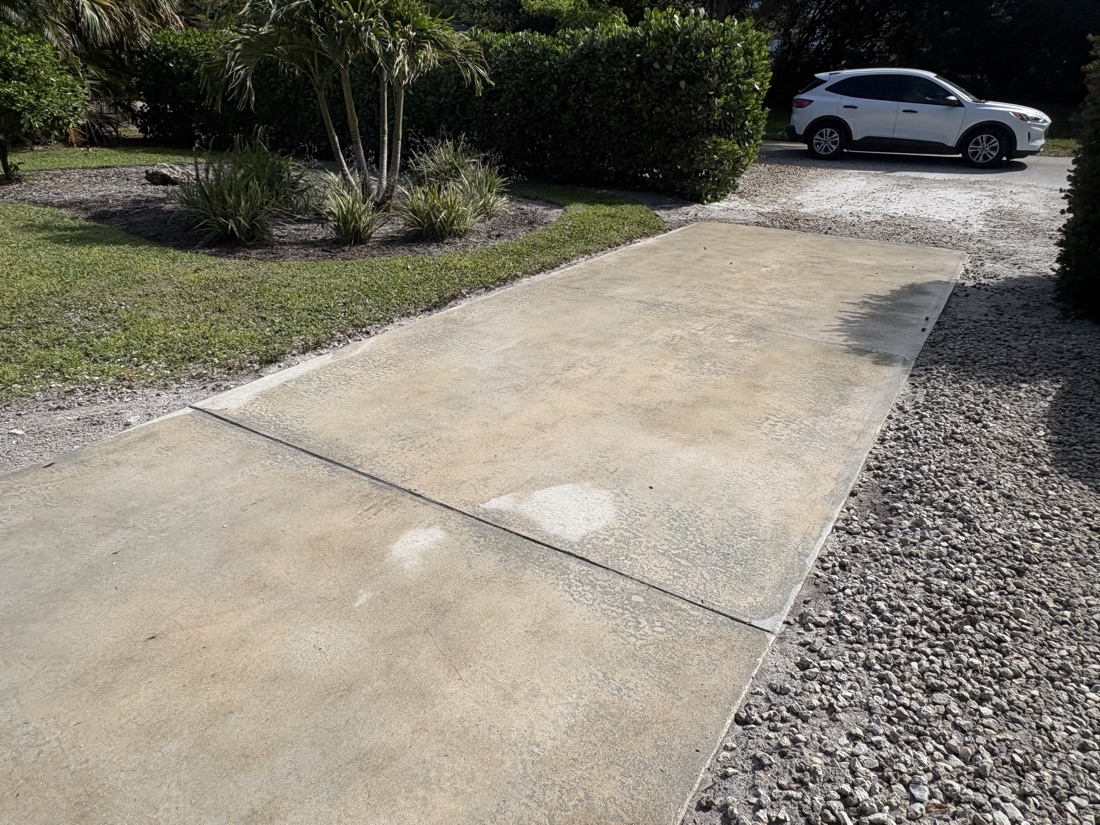
Cape Coral has an enormous stock of single family homes on quarter acre lots, and that means concrete everywhere: wide driveways, walkways, paver lanais, pool decks, block walls and seawall caps, all of it in full sun and salt air. Paver sealer ambers, clouds and eventually peels. Painted concrete and block goes chalky and starts flaking. Overspray from a repaint lands where it should not.
Wet blasting takes failed sealer, paint and coating off concrete, pavers, travertine, brick and block and leaves the surface clean and ready to re-seal or re-coat, which washing alone will not do. We tune media and pressure to the material and test an out of the way spot before we commit to the full pass. See paver sealer removal, residential blasting and restoring a pool deck or lanai.

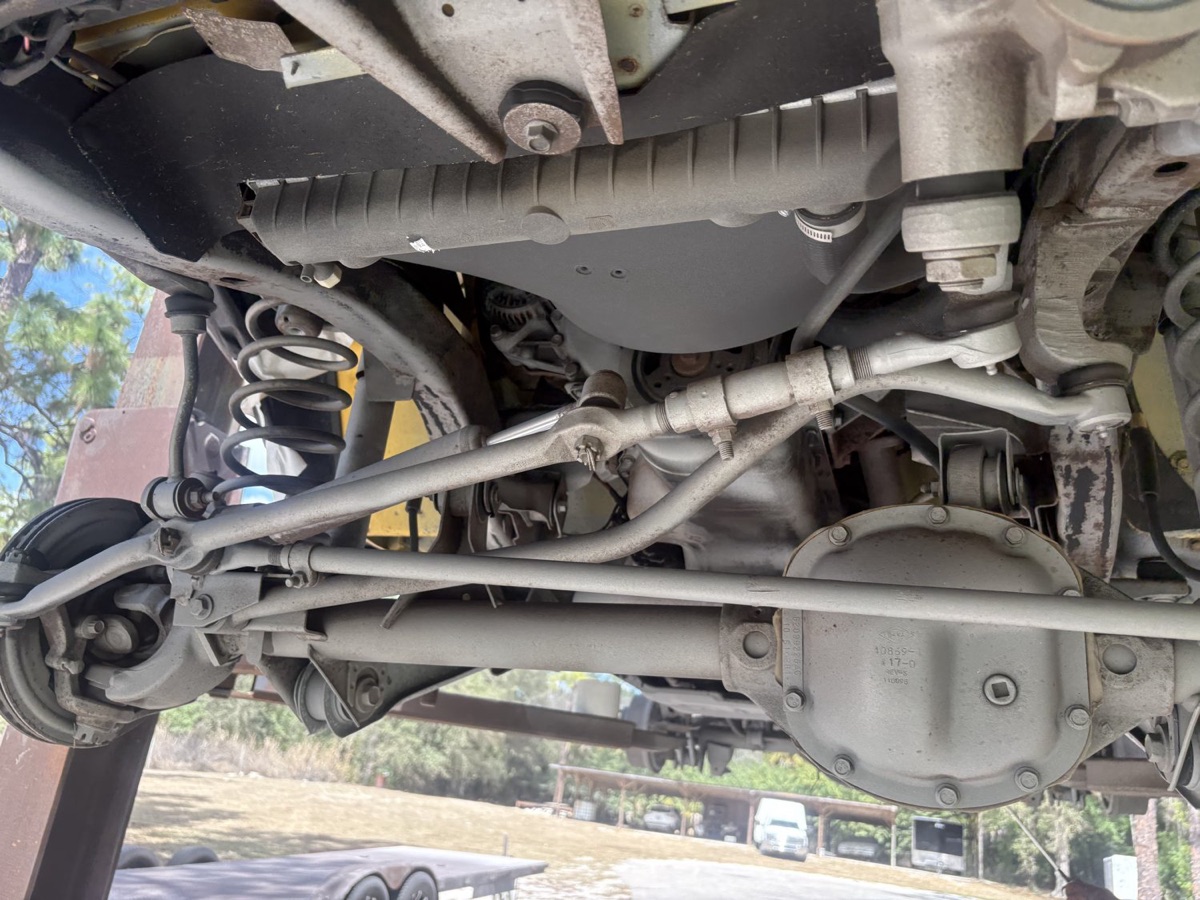
Because the dust stays down, dustless opens up work an open dry blast cannot touch. That includes a garage with a project truck or a boat trailer in it, a screened lanai you would rather not disassemble, the underside of a covered dock, and interior block or steel in a building that is still in use. We still mask, ventilate and contain, but we are not creating a cloud that has to clear before anyone can walk back in.
It matters more in a neighborhood than on an open jobsite. Cape Coral lots put you close to people who did not hire you, and a contained wet blast is what keeps a weekend job from becoming a problem for the whole street. Older coatings can also contain lead, which is one more reason testing and proper containment come before anything gets disturbed.

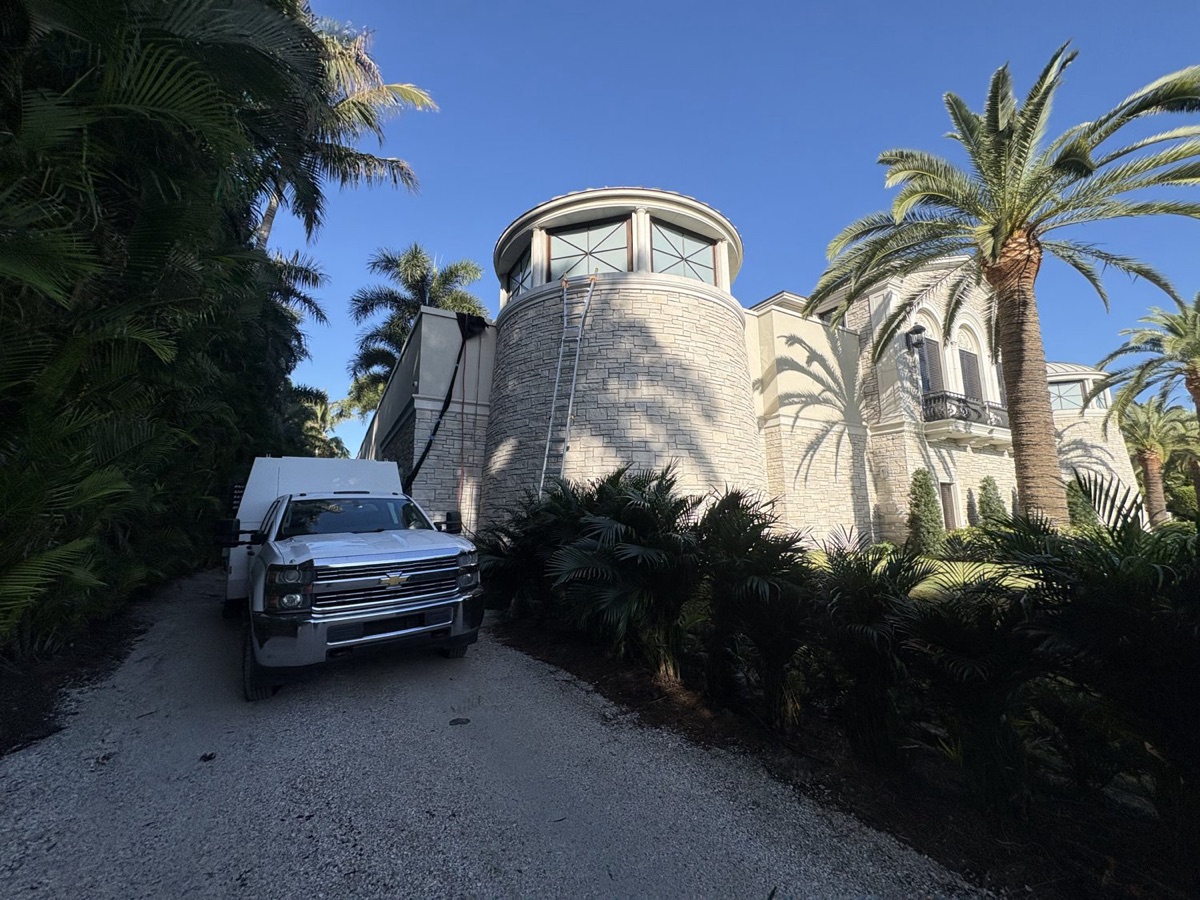
We are fully mobile, so nothing gets loaded up and hauled to a shop. The truck and rig park in the driveway or on the pad, we run lines to wherever the work is, and containment goes up before anything gets stripped. What helps on your end is simple: a clear path to the work, room to stage, and a gate wide enough to get down the side yard if the job is out back by the canal. If the work is on a lift, a dock or up on the cage, tell us when you call so we bring the right setup.
Blast it, prep it, coat it. We can hand the surface back bare and ready for whoever coats it, or carry it through to a finished coating ourselves. Southwest Florida is hard on bare metal, so most people want the second option. We run this work all over the city, from the Yacht Club and Bimini Basin area up through the north Cape off Pine Island Road. See the Cape Coral service area, or the Cape Coral bottom paint page if the job is a hull.
Based in Naples and mobile across Southwest Florida — we bring the rig to your home, marina, yard or job site. Call or text (239) 227-1768.
Dustless blasting, also called wet blasting, mixes water into the abrasive stream right at the nozzle. The water gives each particle weight, so the media hits the surface and drops instead of hanging in the air, and it carries away the friction heat that warps thin metal. It still cuts paint, rust, sealer and failed coatings hard. Same rig, same crew, run wet.
That is what the containment is for. We tarp and enclose the footprint before we start, the wet media falls close to where it is used rather than riding the breeze, and we collect the spent abrasive and coating debris off the tarps when the work is done. On a canal lot we plan the setup around the water and the seawall before anything gets stripped.
Yes, and it is one of the main reasons people call for the dustless setup here. We mask and protect screens, framing and anything else in the line of fire, dial the media and pressure to what the surface needs, and test an out of the way spot first. If something near the work is too fragile to risk, we will say so up front rather than find out the hard way.
No. Heat is what distorts light gauge metal, and the water in a wet blast carries the heat off as the abrasive works, so the surface stays cool. That makes it a safe choice for aluminum railings, gates, shutters, screen framing and lift components, along with sheet steel and body panels. Compare the two metals in blasting aluminum vs steel.
No. Pressure washing moves dirt and loose material. Blasting removes the coating itself: failed paver sealer, paint, old coatings and staining that water alone will not lift, and it leaves a clean, profiled surface that new sealer or coating can actually bond to. On concrete, pavers and travertine that is the difference between looking clean for a week and being genuinely stripped. More in pressure washing vs media blasting.
It depends on the surface. Crushed recycled glass and garnet cut paint and rust on steel and heavier metal, soda handles delicate and intricate parts, and we can run sand or wet setups where those fit better. We pick the media for the material in front of us and test before the full pass. More on the tradeoffs in dustless vs sand vs soda blasting.
Call or text (239) 227-1768 and describe the surface, roughly how much of it there is, and where it sits on the property. What moves an estimate is size, the material, how many layers of coating are on it, how tight the access is, how much containment the spot needs, and whether you want it coated after. Estimates are free and done on site, because we would rather see the surface than guess at it.
Free on-site estimates across all four quadrants of the Cape. Call or text (239) 227-1768 and we will bring the dustless rig to your lot.
Tell us a little about the job and we'll get right back to you.
Thanks — we'll be in touch shortly to set up your free estimate.