Every job is a different surface with a different history stuck to it. These are the factors that push an estimate up or down, and the reason the honest answer always comes from a free on-site look rather than a phone guess.
SWFL Media Blasters does not publish a price list, and that is a deliberate choice rather than an oversight. Blasting is not a product with a shelf tag on it. It is a surface, whatever has been layered onto that surface over the years, and the conditions around it the day the truck shows up. Two jobs that sound identical over the phone can turn into very different work once someone actually looks at them. What this page does instead is show you the levers, honestly, so you can tell which direction your own job pushes before we ever get there. When you want a real number, call or text (239) 227-1768 and we come look for free.
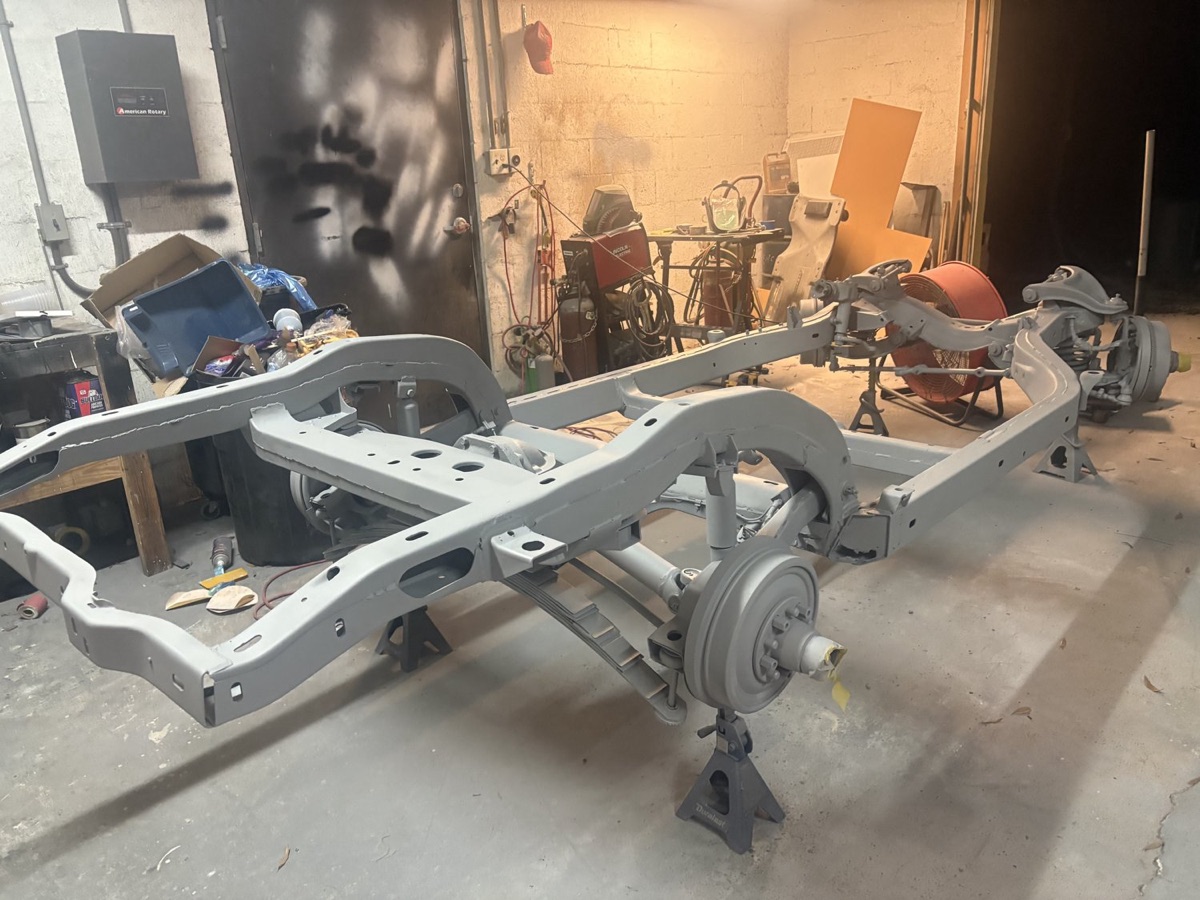
Picture two trailer frames sitting side by side. One has a single layer of enamel over sound steel and cleans up quickly. The other has three coats sprayed over corrosion that nobody stripped the last time, so half the work is uncovering how far that rust actually traveled. Same trailer, same photo from ten feet away, completely different job. The honest version of a quote has to account for that, and it cannot be done from a description.
A guess over the phone serves nobody well. Guess high and you walk away from work that would have been reasonable. Guess low and the choice is eating the difference or handing you a bigger number once the truck is already in your driveway, which is the single thing homeowners and property managers hate most about contractors. So we look first, in person, at no charge.
The sections below cover the factors in the order they usually matter: what the surface is and what is on it, how big and how intricate the work is, which media and containment the setting demands, and whether a coating follows the blast. The first deep dive in this series is what moves a sandblasting quote, and the FAQ answers the process questions around it.
The first question is always what is underneath. Steel tolerates aggressive media and a deep profile. Aluminum, thin sheet metal and cast parts need a lighter touch so nothing warps or gets chewed. Gelcoat and fiberglass need restraint above all, because the goal is removing coating without touching the laminate below it. Concrete, pavers, brick and travertine each behave differently again, and wood needs the gentlest setup on the truck. That single choice, before anyone opens a valve, drives how long the work takes.
Then there is the history on top. One coat of paint that is already letting go comes off far faster than five coats bonded tight, and a hull with a decade of ablative buildup is not a hull that was stripped two seasons ago. Rust is the same story: surface bloom is quick, while corrosion that has been working under a coating for years has to be chased back to sound metal before anything new goes on. That chasing is honest work and it takes the time it takes.
Condition is also the part nobody can judge from a photo, which is why it is the biggest single reason an in-person look beats a text thread. See sandblasting, rust removal and boat bottom paint removal for how those three substrates get handled differently.

Bigger surfaces take longer, and nobody needs that explained. What surprises people is that a small, complicated item can outlast a large, simple one. A wide open block wall or a flat driveway is one continuous pass. A wrought iron gate, a lattice railing, an equipment attachment full of pockets and pin bosses, or a frame with brackets welded all over it means working every angle and every recess, and the clock runs on the awkward parts.
The work around the blasting counts too. Masking glass, decals, cylinder rods, screens, plantings, pool surfaces and the neighbor's property. Tarping and staging the area, then breaking it down and collecting spent media afterward. On a tight lot or an occupied building, setup and cleanup can rival the blasting itself, and on an open acreage lot they barely register. None of that shows up in a square-footage number, which is exactly why we do not quote from one.
Hardscape is a good example of this in practice, since sealer on pavers can be clouded in one section and bonded hard in another. Our article on what drives paver sealer removal work in Southwest Florida walks through it, and the paver sealer removal pillar covers the process.
We run crushed recycled glass, garnet, baking soda, sand and a wet dustless setup, and the surface picks the media rather than the other way around. Crushed glass and garnet cut paint and rust on steel. Soda is the gentle option for delicate, intricate or finished material. The dustless stream traps dust and knocks heat down, which is what you want near screens, pools, vehicles, plantings, water and neighbors. A job that demands the careful option is a slower job than one where the aggressive option is safe.
Access is the other half. The rig is fully mobile, which is the whole point, and it still has to reach the work: through the gate, down the driveway, into the yard, alongside the boat on its stands. A machine in the open with room on all sides is straightforward. A cage frame two feet from a pool, a hull wedged into a crowded boatyard, or steel on an occupied commercial property during business hours all take more masking, more planning and more care around everything you do not want touched.
Containment requirements can shift the picture on their own, especially on older coatings that may contain lead or on antifouling being taken off a hull. See dustless blasting and soda blasting for where each setup fits.

Blast it, prep it, coat it is the whole approach, and the last step is optional. We can hand a piece back bare, clean and ready for your painter, powder coater or antifouling applicator, or carry it straight through and coat it while the surface is still fresh. Those are two different scopes of work, so decide which one you want at the estimate rather than after. On bare steel in this humidity there is a real argument for coating during the same visit, since flash rust does not wait politely for a second contractor to get scheduled.
What the on-site look actually covers is simple: we see the surface and its condition, check the access and the space to set up, note what has to be masked or protected, talk through media and whether coating follows, and then give you a number for that work. It costs nothing and it commits you to nothing. Photos and an address help us come prepared, but they do not replace the visit.
For a worked example on the marine side, read what drives bottom paint removal work in Southwest Florida, then see marine blasting, commercial blasting or the full list of services. When you are ready, get in touch.

Because any number we published would be wrong for most of the people reading it. Blasting work is set by the surface, how many layers are on it, how far corrosion has gone, the access, the containment the setting demands and whether coating follows. A posted figure would either scare off a simple job or badly undersell a hard one. We would rather come look, at no charge, and tell you the real number for your actual surface.
We can tell you which factors your job leans on, and often that is genuinely useful: whether it sounds like a light single-layer strip or a heavy multi-coat removal with rust chasing underneath. What we will not do is name a figure sight unseen, because the thing that changes it most, the condition under the top layer, is the thing nobody can see in a photo. The visit is free, so there is no reason to guess.
Photos of the item and the area around it, the address, and a sentence about what you want at the end: bare and ready for someone else, or blasted and coated by us. If you know the history, say so. Repainted twice, sat outside for years, previously sanded, has repair work in it. All of that shapes what we bring. See our gallery for the kinds of surfaces this covers.
No. On-site estimates are free, and there is no obligation attached to one. We come to the property, look at the surface, check access and setup space, and give you a number for the work as it actually stands. If the answer is that blasting is not the right call for your surface, we will tell you that too rather than sell you a process that will not hold up.
It is a separate step, so it is part of the conversation at the estimate. Some customers want the piece handed back bare because a painter or powder coater is already lined up. Others want it carried straight through so the fresh surface never sits exposed, which matters on steel in Florida humidity. Both are normal. Tell us which one you want and the estimate reflects it. See sandblasting for how prep and coating fit together.
Not always. A large flat wall or driveway is one continuous pass, while a small gate, railing or equipment attachment full of pockets and angles can take longer because every recess has to be worked individually. Masking, staging and cleanup can also outweigh the blasting itself on a tight lot or an occupied building. Size matters, but intricacy, condition and access frequently matter more.
Call or text (239) 227-1768, tell us what you have and where it sits, and send photos if you have them. We come out, look at it in person, and quote the work as it actually is. Estimates are free. If you want the detailed version of these factors for one specific service, start with sandblasting cost factors.
Tell us what you have and where it sits, and we come look in person. On-site estimates are free and there is no obligation. Call or text (239) 227-1768.
Tell us a little about the job and we'll get right back to you.
Thanks — we'll be in touch shortly to set up your free estimate.