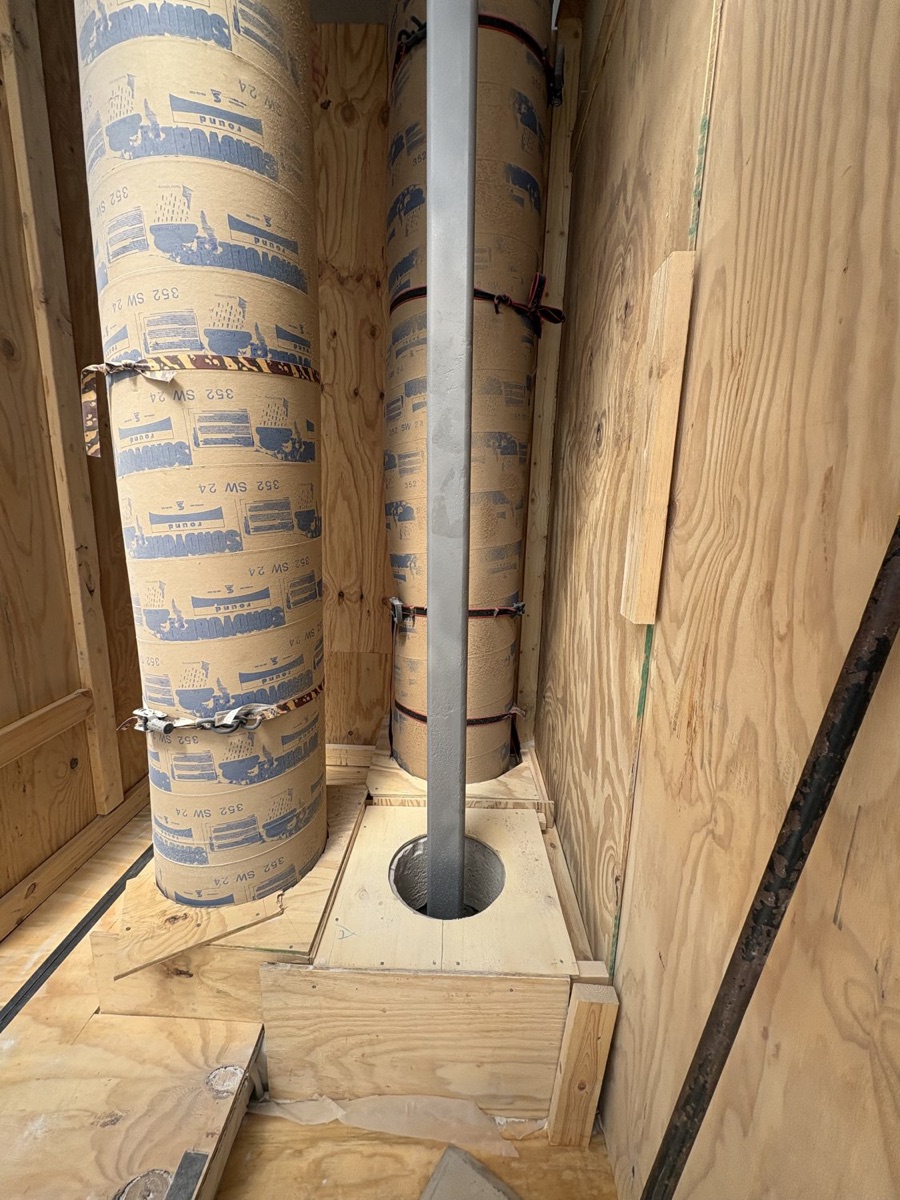
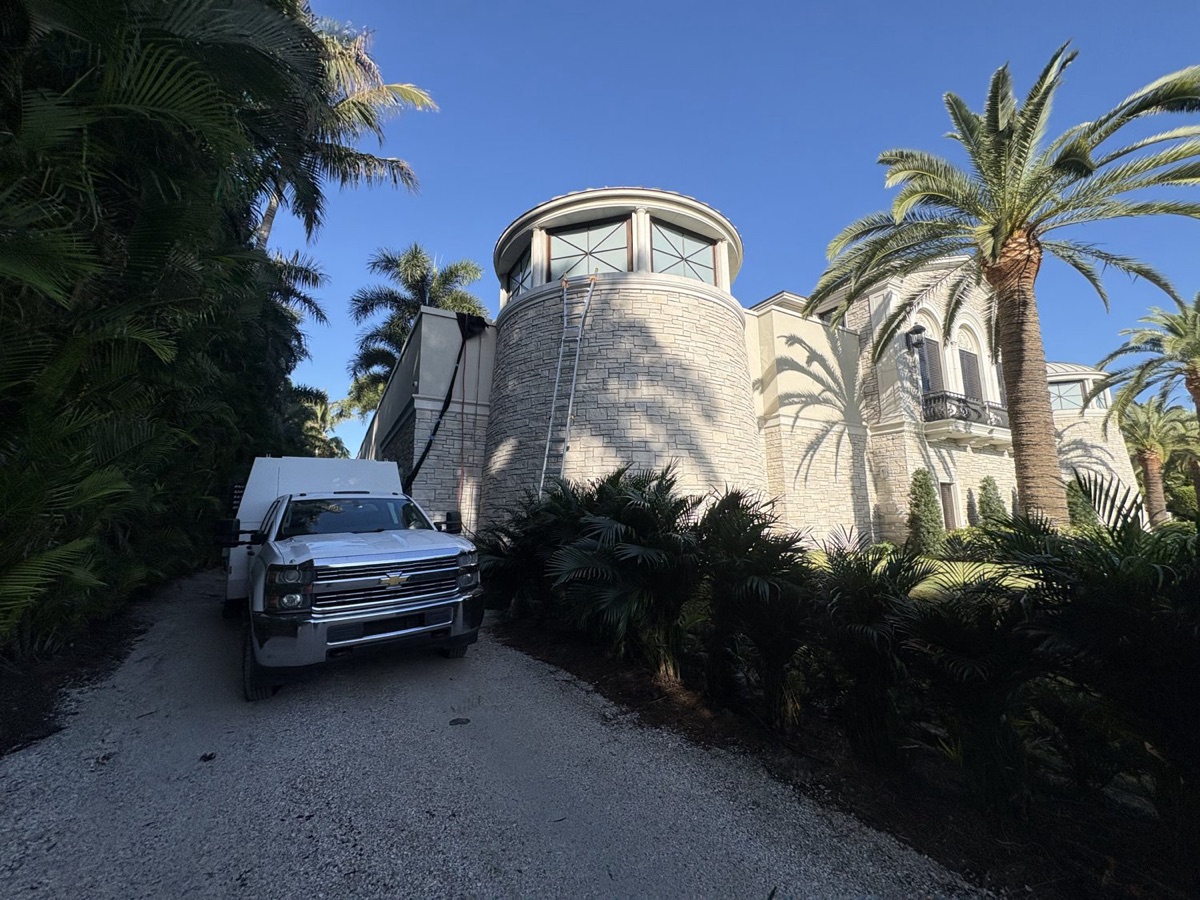
Sealer that clouded, paint that let go, rust weeping down a cage post: on Marco Island the salt reaches all of it. We strip the failed layer off pavers, block, stucco, wood and metal at your house, with the dust kept where it belongs.
Marco Island is surrounded on every side. The Gulf is to the west, the Marco River and Smokehouse Bay sit north and east, and the canal system runs straight through the middle of the neighborhoods, so there is no sheltered inland side of the island for a house to hide on. Salt arrives on whatever breeze is blowing that day, settles on every outdoor surface, and stays there until rain or a hose moves it along.
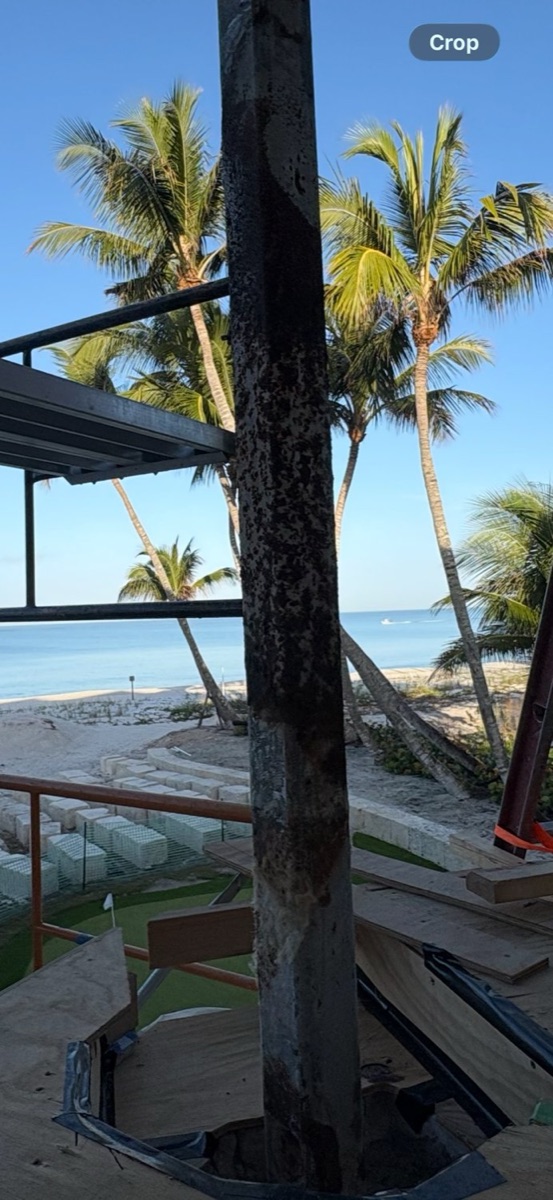
Add the sun load and the summer storm cycle and coatings here age on a shorter clock than they would well inland. Paver sealer clouds and flakes. Paint on block chalks and releases at the edges. Fasteners on a cage or a railing bleed rust down the wall behind them. Wood on a lanai ceiling greys out and goes blotchy. None of that is neglect. It is what this address does to a finish.
Blasting removes the failed layer in a controlled pass instead of sealing the problem under something new, which is the difference between a surface that is genuinely reset and one that looks fine for a season. See residential blasting for the full service, or the Marco Island page.
Sealer is usually the culprit. It goes on to make brick or travertine pop, and a few seasons of Marco Island sun and moisture later it has ambered, hazed, or started peeling in sheets wherever water worked underneath it. Re-sealing on top of that locks the cloudiness in permanently. Pressure washing does not touch it either, because a failed sealer is a plastic film rather than dirt. It has to come off.
Blasting lifts that film and brings the paver, travertine, shell stone or concrete back to its own color and texture, ready for an even coat that actually bonds. The same pass takes off tire marks, old adhesive, staining that soaked in, and the grey film on a pool deck that no cleaner has fixed. Driveways here tend to be short and the setbacks tight, so the staging plan matters as much as the blasting itself: where the rig parks, where the hose runs, what gets covered, and which direction the work moves.
The surface side is covered on paver sealer removal. The question people ask first is answered in pressure washing versus media blasting a driveway, and the process itself in how to remove old paver sealer.

Marco Island housing runs heavy to concrete block and stucco, and the paint on it has usually been renewed more than once. When the top layer starts chalking, peeling at a parapet, or blistering where moisture pushed out from behind, another coat over a failing one only buys a little time. Blasting takes the coating off block, stucco, brick and concrete and leaves a sound, clean face for whatever system goes on next.
Texture is the honest conversation. Stucco and softer block can be cut if the media or pressure is wrong, and a chewed up face cannot be put back. So we test an out of the way patch first, dial the setting to take the coating and stop, and show you that test before the wall gets run. Some surfaces come out better than the owner expected. A few tell us to back off and change media, and we say so rather than push through.
Wood is the other half of it. Tongue and groove lanai ceilings, exposed beams and rafter tails go grey and blotchy in coastal weather, and soda blasting lifts that off without tearing at the grain the way sanding an entire ceiling would. See soda blasting, removing paint from concrete, brick and block, and restoring a pool deck or lanai.

A canal front backyard carries a second list of surfaces, and they live closer to the water than anything else on the property. Seawall caps stain and hold algae and old coating. Dock frames, ladders, piling hardware, lift beams, cradle steel, cleats and fasteners corrode without pause, because salt water reaches them every single day. Screen cage framing and railings take it more slowly but they still take it, and it starts at the screws and at the joints where two pieces meet.
That structure gets blasted in place: on the dock, at the seawall, or in the backyard where it stands. Media gets matched to the material so aluminum cage tube is not dented and stainless is not contaminated by the wrong abrasive. Rusted steel gets cut back to sound metal, and then it needs protection quickly, because bare steel behind a house on a Marco Island canal has a very short window before it starts flashing again.
The metal side of this is on our rust removal page. If the boat on the lift is next on the list, see marine blasting and boat bottom paint removal on Marco Island.
Lot lines are close on Marco Island, and a good share of the island is built at condo and villa density, where somebody else's car, lanai or pool sits a few steps from where the rig has to stage. That shapes the job as much as the surface does. Wet and dustless setups knock airborne dust and rebound down at the source, sheeting and screening catch the rest, pools and landscaping get covered, and the area gets swept and rinsed before we pull out. It is not a matter of tolerating a mess, it is the plan going in.
Access is the other constraint. Tell us where the rig can park, whether there is a hose bib and an outlet available, and how we reach a backyard that faces the canal instead of the street. If your building or association has its own contractor hours or a process for approving exterior work, say so at the estimate and we will work inside it rather than around it. Older coatings can also contain lead, which is why testing and proper containment matter before anyone starts stripping an older painted surface.
More on the low dust approach is at dustless blasting on Marco Island. What the estimate weighs: the surface and its condition, how much area there is, how many layers are coming off, access and containment, and whether sealing or coating follows. Call or text (239) 227-1768.
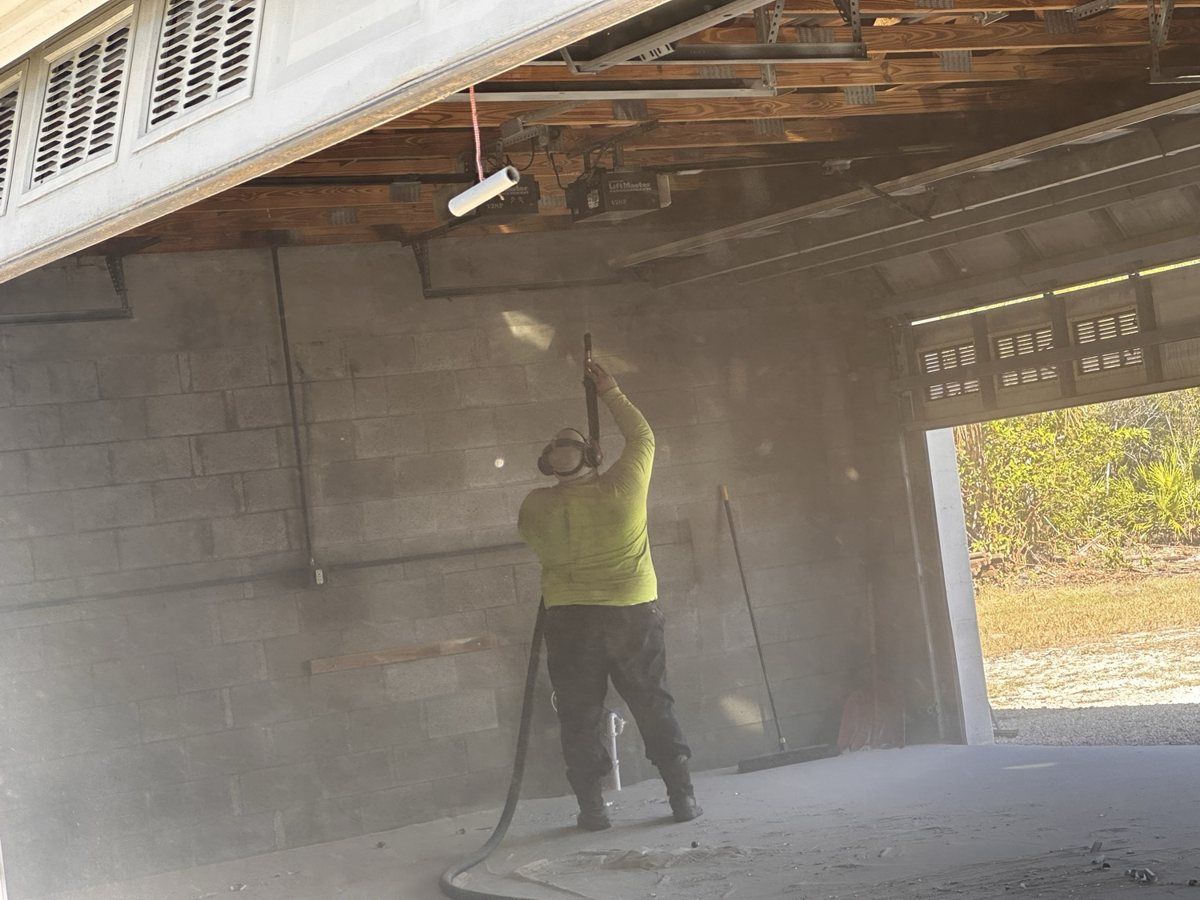
Based in Naples and mobile across Southwest Florida — we bring the rig to your home, marina, yard or job site. Call or text (239) 227-1768.
Not when the media and pressure are matched to the surface. The risk is real if they are not: soft stone can be etched, stucco can be cut, and a chewed up face cannot be undone. So we test an inconspicuous patch first, dial the setting to lift the coating and stop at the substrate, and show you that test before the whole area gets run. If a surface should not be blasted at all, we will tell you that instead of trying it anyway.
We come to you. The rig is fully mobile and works at the house: driveway, pool deck, lanai, seawall, dock or side yard. Nothing gets hauled off the island. Tell us where we can stage and whether water and power are available on site, and we bring the rest with us. On-site estimates on Marco Island are free.
That is the right first question on a tight island lot, and it is exactly why the wet and dustless setups exist. They knock dust down at the source instead of letting it drift next door. We add sheeting and screening around the work area, cover pools, cars, screens and landscaping, and clean up what settles before we leave. Dry blasting gets saved for settings that can take it.
Usually yes. The goal is to remove the coating and stop at the block or stucco face, which comes down to media choice, pressure and gun distance rather than brute force. Older painted block on Marco Island often has several layers on it, and those come off in a controlled pass. We test first every time, because texture and condition vary from wall to wall even on the same house.
Often, yes. Soda blasting lifts weathered surface, old finish and staining off tongue and groove ceilings, beams and rafter tails without tearing into the grain the way an aggressive abrasive would. What comes back is clean wood ready to seal or stain. We look at it in person first, because rot and structural damage are a different problem and blasting does not fix those.
Either one. Blast it, prep it, coat it is how the business is set up, and the coating half is your call. We can hand the surface back bare, clean and ready for your sealer contractor or painter, or carry it through so protection goes on while the surface is still fresh. On metal near salt water that timing matters, because bare steel does not stay bare long on this island.
It depends on the surface, how much area there is, how many layers are coming off, how much containment the lot needs, and whether sealing or coating follows. Access counts too, since a canal side backyard or a tight villa lot changes how the work gets staged. We do not quote from a photo alone. Call or text (239) 227-1768 for a free on-site estimate anywhere on Marco Island.
We are mobile, we contain the work on a tight lot, and we will tell you straight what the surface can take. Call or text (239) 227-1768 for a free on-site estimate.
Tell us a little about the job and we'll get right back to you.
Thanks — we'll be in touch shortly to set up your free estimate.