Estero was built new and it still rusts. Salt carried in off Estero Bay finds gate hardware, cage screws, railings and trailer steel, and paint rolled over the top only hides a reaction that is already running underneath.
Rust is not dirt, and that single fact is why so much of it comes back. It is metal converting into a different material, and the conversion keeps running underneath whatever you paint over it. SWFL Media Blasters handles rust removal across Estero by taking the oxide out of the pits it hides in, not by burnishing the surface until it looks acceptable. Newer construction here does not change the chemistry: salt air rides in off Estero Bay, humidity stays up, and outdoor metal never gets a dry season to rest. We bring the rig to the driveway, the lanai, the dock or the yard. Call or text (239) 227-1768 for a free on-site estimate.
Estero neighborhoods mostly went in from the 1990s forward, which means a lot of properties here have never had a full round of metal restoration done. That does not exempt anything. Salt air is patient, and the same coastal Lee County conditions that eat older metal in Fort Myers or Bonita are working on Estero steel and aluminum every day, just with a later start date.
The list is predictable once you walk a lot. Pool cage and lanai framing chalks, pits and stains where fasteners and screws sit. Gate frames, hinges, latches and driveway hardware bleed rust down the finish. Railings and stair stringers go at the welds first. Out at the water, lift frames, brackets, cleats and davit hardware corrode from the inside of the tube outward. And the trailer parked beside the garage rusts in the crossmembers where nobody looks until something flexes.
None of that means a property was neglected. It is what a warm, salty, humid climate does on a full-time schedule. The service in general lives on the rust removal page, and everything else we bring into town is on the Estero page.
The standard repair is a wire wheel or a flap disc, a wipe down, and a fresh coat. It fails for a mechanical reason rather than a lack of care. Corrosion does not spread like a stain across a flat surface, it bores. Pitting runs narrow and deep, and a spinning disc rides across the tops of those pits without ever touching the floor of them. A wire wheel does something worse: it polishes, pressing oxide down into the low spots where you can no longer see that it is still there.
Paint then bridges each pit like a lid. Underneath that lid is moisture, chloride and oxidized iron, which is a complete recipe with year-round warmth to run on. Iron oxide occupies more space than the steel it replaced, so pressure builds under the film until it lifts, and the blisters and rust streaks show up again a season or two later.
Blasting works because the abrasive arrives as thousands of individual particles rather than one rigid face. It reaches into the geometry a disc cannot, evacuates the oxide instead of smearing it, and leaves a textured profile the next coating can key into. That is the difference between covering rust and removing it.

There is no single correct abrasive for rust, and anybody who tells you otherwise is running whatever is already in their pot. Structural steel, trailer frames, gates and equipment take an aggressive approach: crushed recycled glass or garnet, cutting scale and corrosion out and leaving the tooth a coating needs.
Aluminum is a different animal. Cage framing, lanai members, screen door frames, boat and marine trim and decorative work are thin, soft, and easy to distort with too much pressure or too hard a media. That work gets baking soda, or a gentler setup with the pressure dialed back, so the surface comes clean without waves or dents. Where dust or heat is the constraint, such as a screened enclosure attached to the house or work in a tight side yard, wet dustless blasting knocks the airborne portion down and keeps the metal cool.
The choice gets made in front of your actual metal, usually after a test patch in a spot nobody sees. If you want the general comparison first, blasting aluminum versus steel lays out why the two substrates get treated so differently.
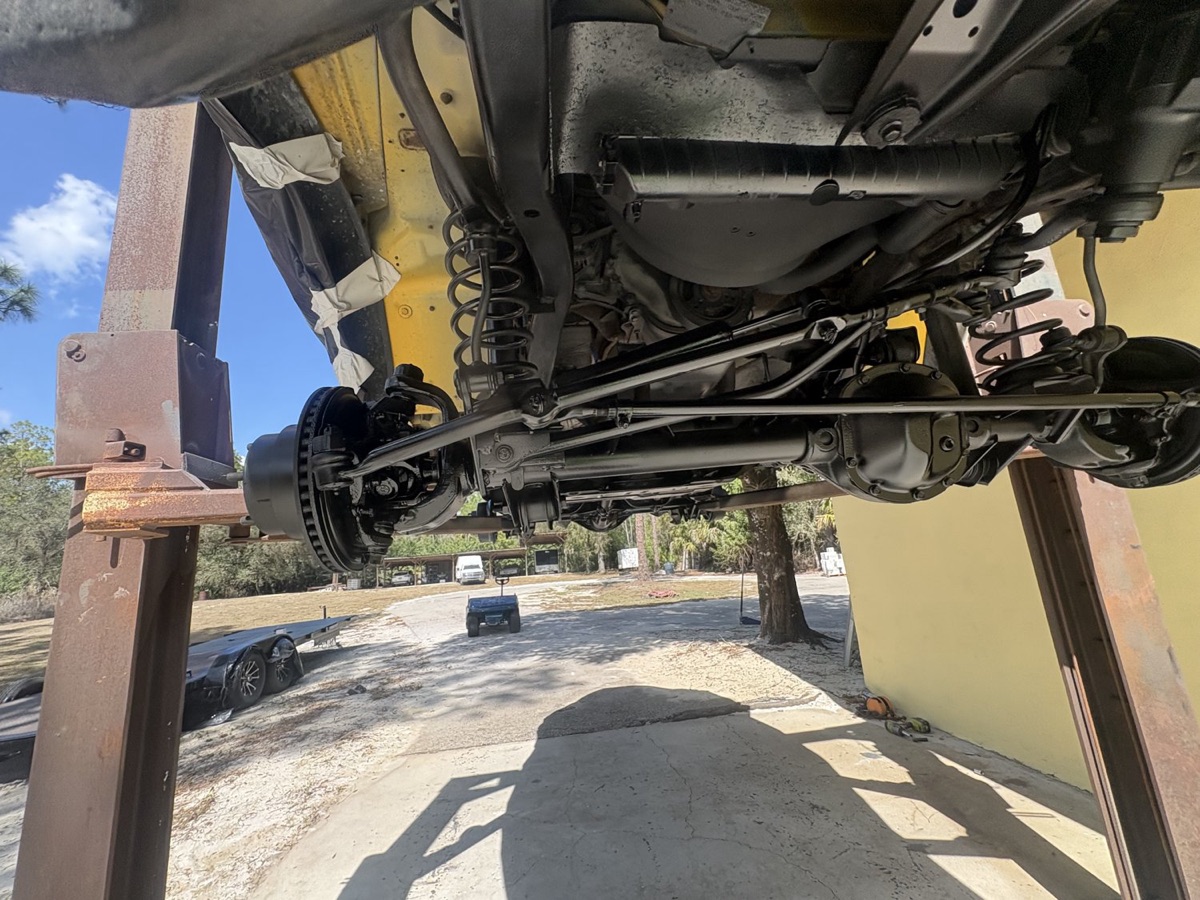
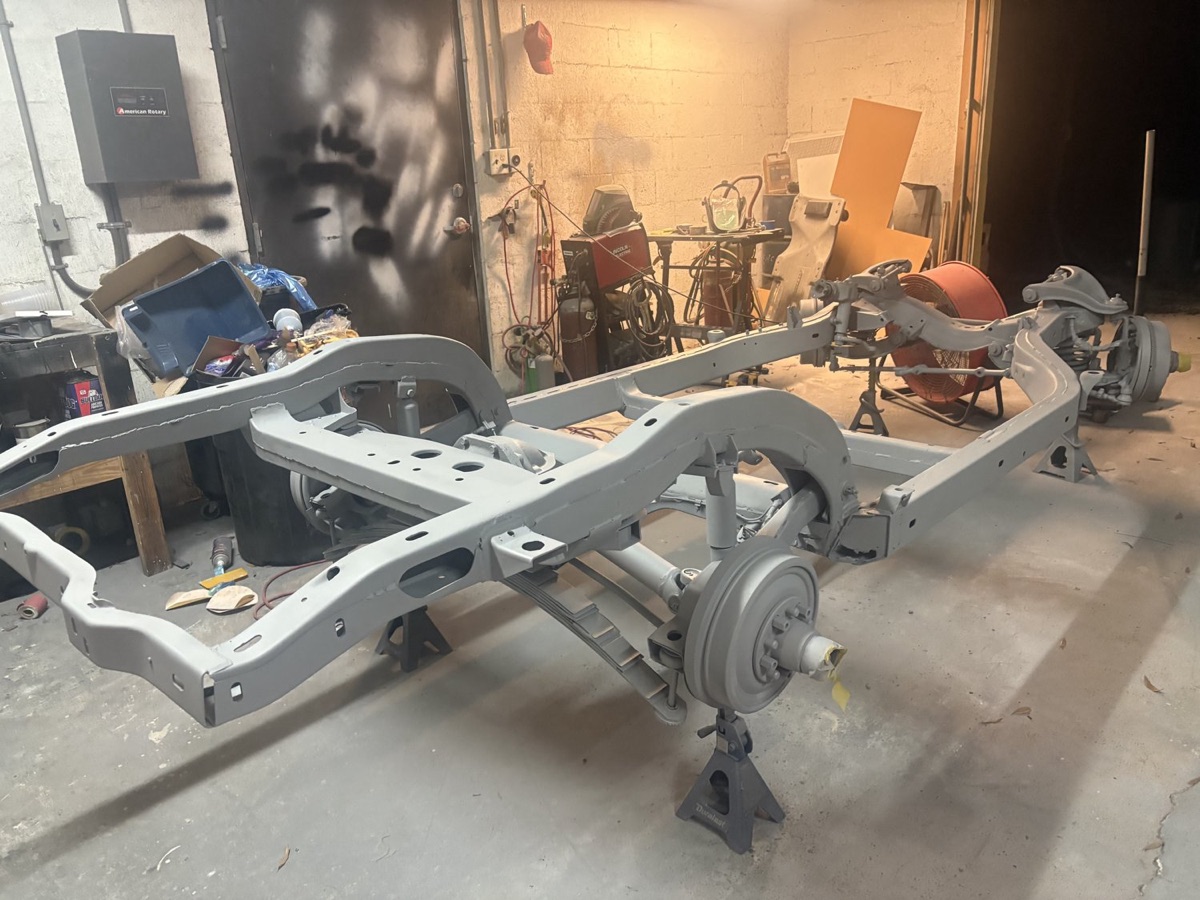
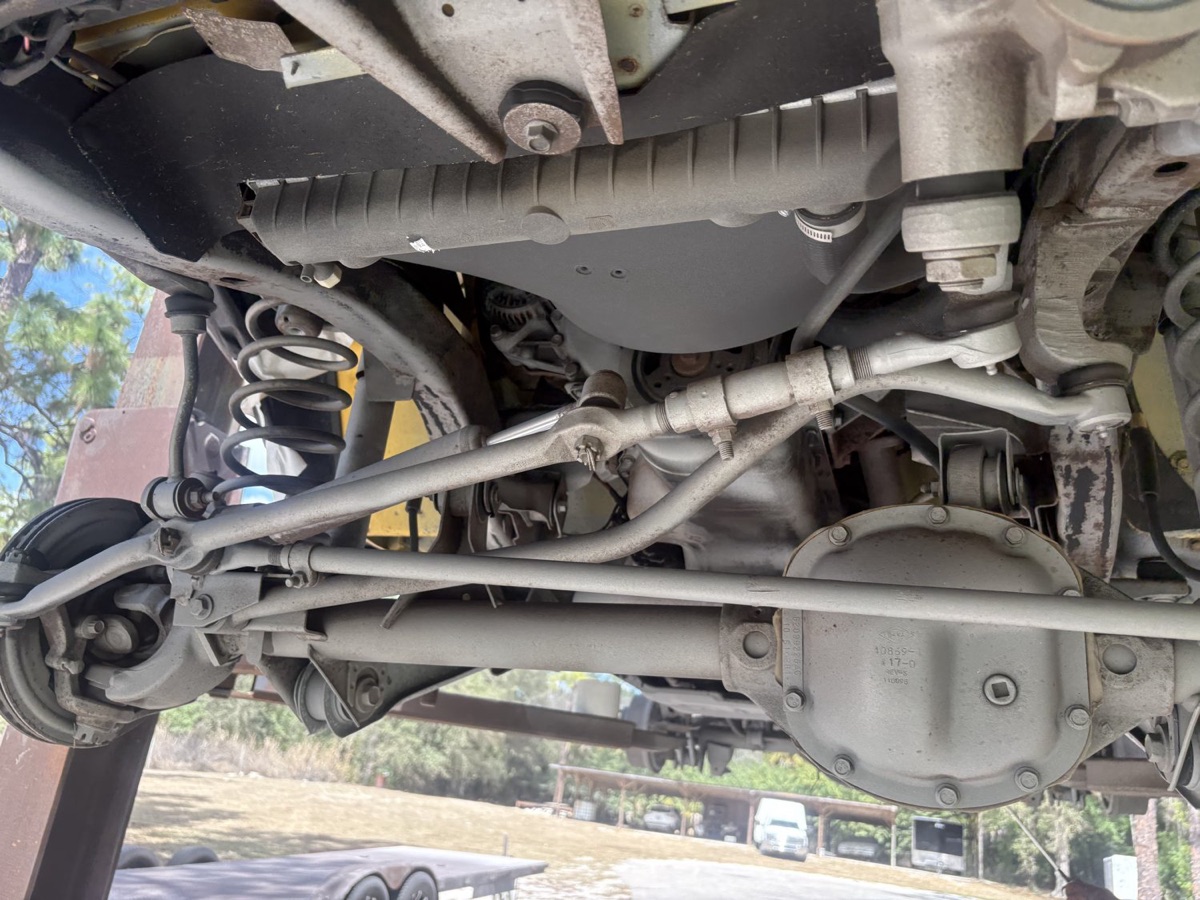
Anything that rolls and lives outside in Estero has a rust story. Boat trailers get dunked in salt water and then parked wet, so the frame corrodes from the inside of the tubing outward and the fenders, brackets and axle hardware go along with it. Utility and landscape trailers pick up the same damage a little slower. Truck frames, undercarriages, suspension components, brackets and hitch hardware collect it underneath where nobody is looking.
Blasting is the only practical way to reach that geometry. Angles, channels, gussets, spring perches and the back sides of brackets are exactly the shapes a disc or a wire cup cannot get into, and exactly where corrosion prefers to sit. We strip it back, you get a look at what is actually left of the metal, and then the piece gets coated before it can flash.
Restoration work and frame projects go deeper on the automotive blasting in Estero page, and rust removal on trucks and trailers in coastal Florida covers what coastal salt does to these pieces specifically.

A good share of Estero addresses sit behind a gate or inside an association, so the practical questions come up before the technical ones. We need to be on the guest or vendor list, we need to know the community rules on work hours and where a truck can stage, and we plan for protecting pavers, pool decks, screens, landscaping and the neighbor's finish before we pressurize anything. Spent media gets collected, not swept toward a drain and forgotten.
What we need from you is simple: reasonable access to the piece, room to work around it, and a conversation about anything that must not be touched. If the metal is attached to the house, we talk about masking and containment. If it is a trailer or a machine, the driveway or the yard is usually all the space required.
Then comes timing. Bare steel in this humidity starts building a light flash of oxide quickly, which is why we prefer to coat right behind the strip rather than leave it exposed overnight. You can also take it back bare if your painter or powder coater is handling the finish, and we will schedule around their window. As for what it costs: surface area, how deep the pitting runs, how many old coatings are stacked up, access, containment and whether coating follows all move the number, which is laid out on our cost guide. We look in person and put it in writing, free. The same approach one town south is on the Bonita Springs rust removal page.
Based in Naples and mobile across Southwest Florida — we bring the rig to your home, marina, yard or job site. Call or text (239) 227-1768.
Usually, yes. Blasting takes off the oxide, scale and failed coating and leaves what is structurally sound underneath, and on most gates, railings, cage frames, trailers and equipment there is plenty of good metal left. What blasting also does is show you the truth: once the surface is clean, thin spots, perforation and bad welds are visible instead of hidden under filler and paint. If a piece is too far gone, you will know before you spend money coating it.
Not when the media and pressure are matched to it. Aluminum is soft and easy to distort with an aggressive abrasive at high pressure, so that work gets baking soda or a dialed-back setup, and we prove it on a test patch in an inconspicuous spot before running the whole piece. The goal is clean and even, not fast.
We come to you. The rig, media, air and containment are all on the truck, so the work happens in your driveway, side yard, garage area, lanai or dock. That is the point of a mobile operation. Smaller loose parts can also be gathered and staged in one spot to make a single visit more efficient. Call or text (239) 227-1768 to set up a free look.
Yes, and on most rust work you should let us. Bare steel in Southwest Florida humidity begins flashing quickly, so the strongest sequence is strip, inspect, then coat while the surface is still in the condition the blast left it. If your painter or powder coater is doing the finish, we hand it back bare and profiled and schedule so their window lines up with ours.
Contained. We sheet, screen and cover the surroundings before pressure goes on, protect pavers, pool decks, screens, vehicles and landscaping, and collect spent media afterward. Wet dustless blasting is the option when airborne dust is the main worry, such as work close to a screened enclosure or a neighbor's lot. Cleanup is included, not a separate conversation.
It can be, and that is a reason to hire a pro rather than rent equipment. Coatings on older gates, railings and structural steel can contain material that should not be turned into airborne dust or left in a yard, so those jobs get proper containment, protective gear and controlled cleanup. We keep it general here on purpose: the handling matters more than the trivia, and it is our job, not yours.
It depends on real things we can only see in person: how much surface there is, how deep the pitting has gone, how many old coatings are stacked on top, how tight the access is, how much containment the surroundings call for, and whether you want coating applied afterward. The cost guide walks through those factors. We look at the metal, then put an honest number in writing. The visit and the estimate are free.
Send photos or have us take a look in person. Free on-site estimate, honest answer about what is worth saving, call or text (239) 227-1768.
Tell us a little about the job and we'll get right back to you.
Thanks — we'll be in touch shortly to set up your free estimate.