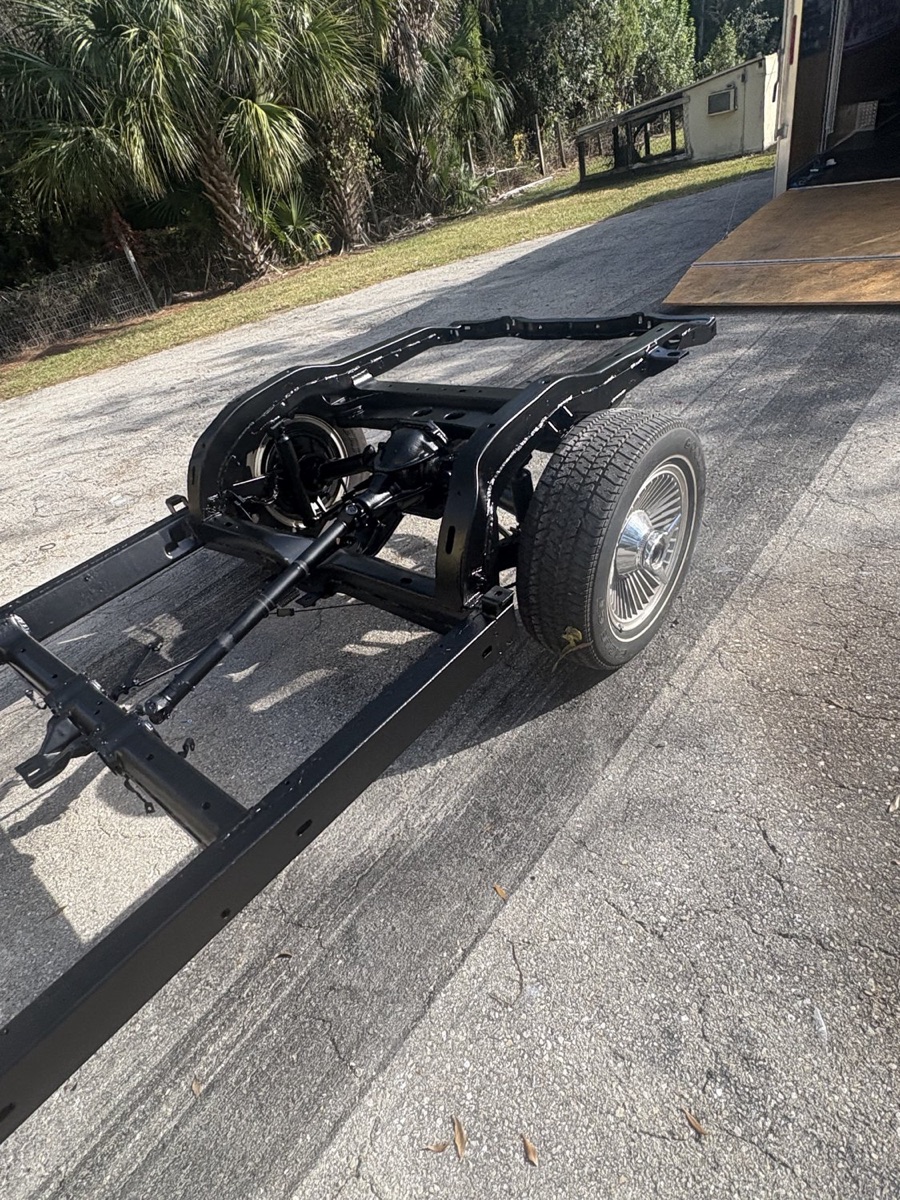
Marco Island has salt water on every side, and it shows up first on the parts nobody looks at: frame rails, brackets, suspension components and trailer steel. We bring the rig to your garage or driveway and cut it back to clean metal.
Rust on Marco Island does not begin where you can see it. It begins on the underside, where road spray, ramp water and damp salt air collect and sit. Frame rails and crossmembers hold moisture in the seams. Fasteners and brackets give it a foothold. Leaf springs, shock mounts and control arms scale up until the metal loses its edges. Undercoating that cracked years ago traps water against steel and hides the damage while it spreads.
Body panels tell on the vehicle later. Bubbling paint at a rocker or a wheel arch is usually the last stage of something that got going underneath long before. Sitting still does not help either, because a project car parked under a carport on the island is still breathing the same air as the daily driver in the drive.
Blasting is how you stop guessing. Once the coating and the scale are gone, sound metal and pitted metal look nothing alike, and you can plan the repair off what is really there. See rust removal, or how coastal rust works on trucks and trailers.

Frame and undercarriage work is the core of it. Old undercoating, failed paint, surface rust and scale come off, and what is left is a clean profile that primer and coating can actually grip. The same goes for the pieces that come off during a build: axles, spring hangers, differential housings, bumper brackets, steering components, wheels and cart hardware. Small intricate parts get baking soda so threads and casting detail survive. Heavier steel gets crushed recycled glass or garnet, something with enough edge to cut through scale.
What you get back is honest. Blasting does not fill anything or hide anything, so a frame that has thinned out shows it, and a frame that only needed the paint off comes back solid. That is the information you want before you spend three weekends building on it.
Bare steel does not stay bare on an island, so decide the next step before we arrive. The service in general is on the automotive blasting page, and the order of operations is covered in what to expect when a car frame gets blasted and surface prep before powder coat or paint.

A boat trailer on an island lives a hard life. It gets backed down a ramp into salt water, pulled out dripping, and parked. The frame drains slowly, the crossmembers hold water inside, and the bunk brackets, rollers, fenders, hubs and light mounts corrode from both sides at once. Painting over that buys a season. Taking the frame back to bare steel and coating it properly is how you get years out of it.
Golf carts and small utility vehicles are the same story in miniature, and Marco Island has no shortage of them. Cart frames, baskets, brackets and steel bodywork sit outside in salt air, and the factory powder coat gives up at the edges, the welds and the fasteners first. We strip the frame and hardware clean, and where panels are thin or parts are delicate we drop to a softer media instead of forcing it.
If the boat riding on that trailer needs attention too, that is on the marine blasting page, and stacked antifouling is covered under bottom paint removal on Marco Island.
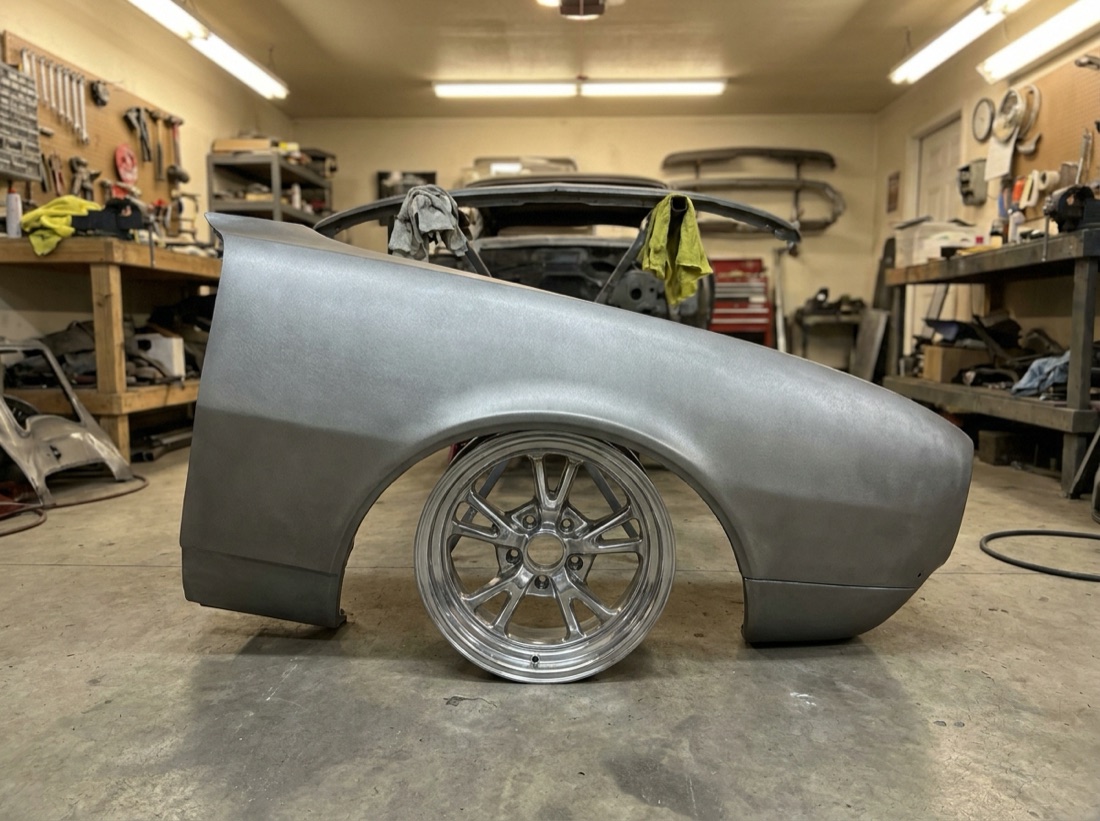
Sheet metal is where blasting goes wrong in the wrong hands. Thin panels do not fail from the abrasive alone, they fail from heat and from too much pressure held in one place. Friction builds, the panel expands where the nozzle is working and stays cool an inch away, and it oil cans or warps. The fix is not a secret, it is discipline: lower pressure, softer media, a wider angle, keep the nozzle moving, and never sit on one spot.
That is why media gets picked per surface instead of per vehicle. Baking soda is gentle enough for panels, trim, delicate castings and intricate parts, and it does not carry the punch that stretches metal. Crushed recycled glass and garnet stay on frames, brackets and heavy steel. Wet and dustless setups knock heat and dust down together, which earns its keep when the car is sitting in a driveway with a neighbor's place a few feet away.
For a restoration project, blasting versus chemical stripping covers the trade offs, and the gentle end of what we run is explained on the soda blasting page.
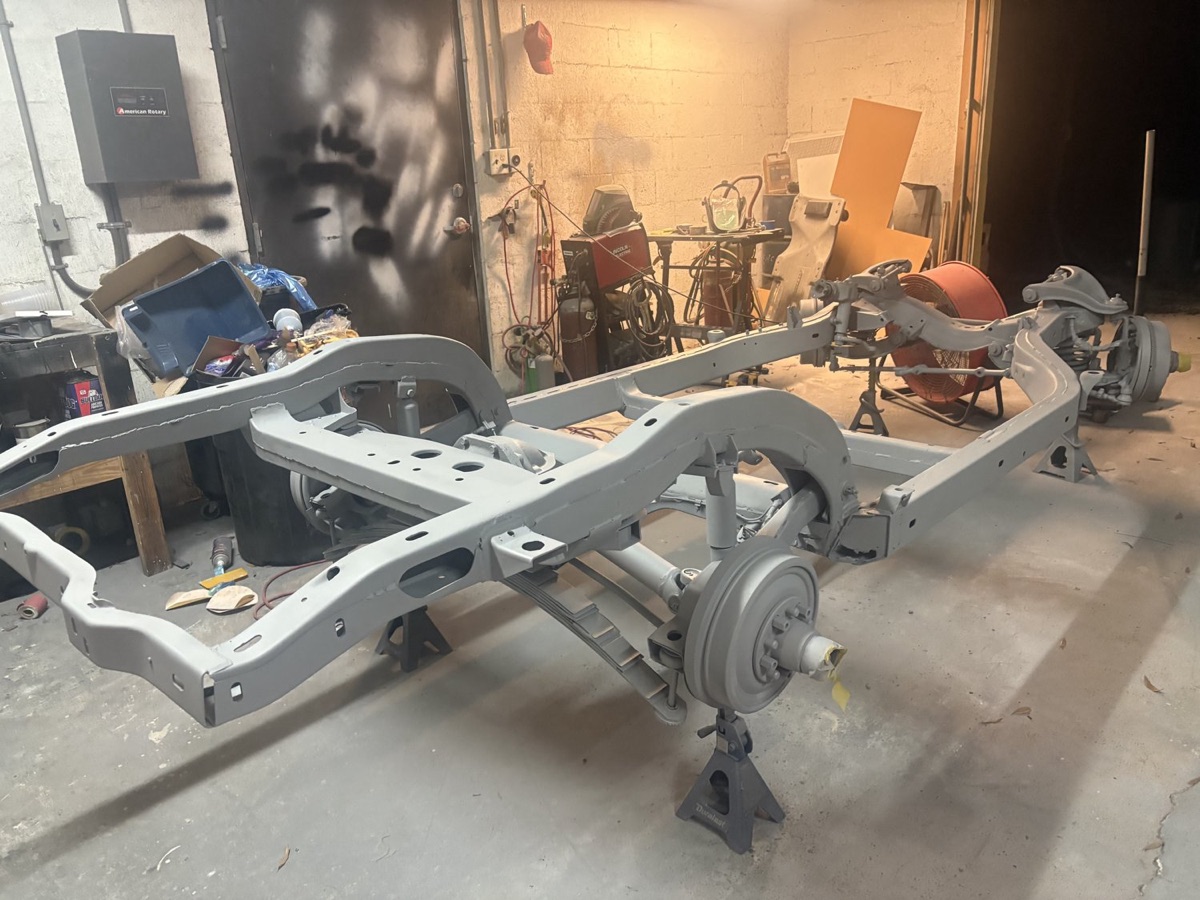
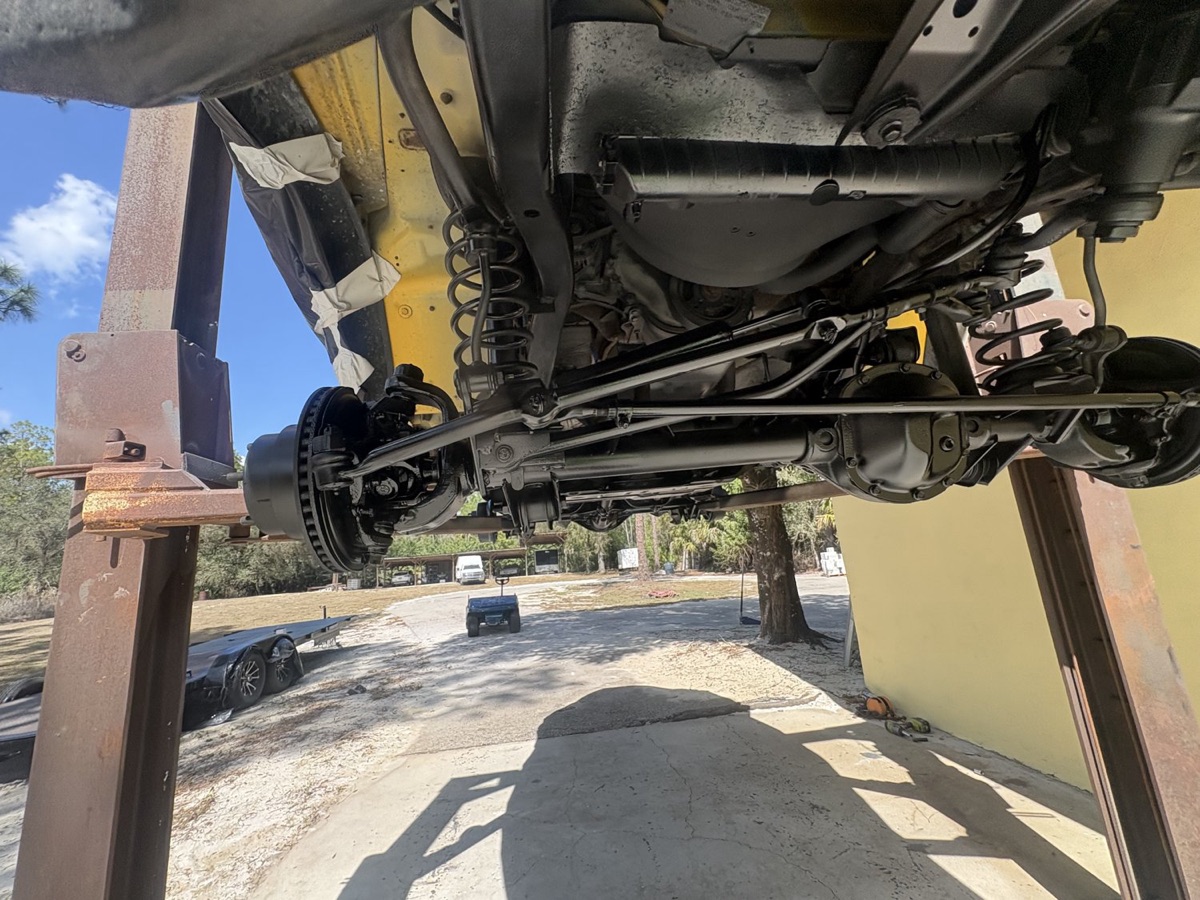
Getting a project vehicle off Marco Island is a real errand. Everything leaves over the bridge and up Collier Boulevard, and a car that does not run means a tow both ways before a single thing has been done to it. Mobile changes that math. We bring the compressor, the pot, the media and the containment to your garage, carport, driveway or side yard, and the vehicle never moves.
Island lots make their own demands. Driveways are short, setbacks are tight, condo and association properties have their own rules about where a work truck can sit and for how long, and neighbors are close on both sides. Tell us what we are walking into and we plan for it. Wet and dustless setups hold rebound and dust down on a tight lot, we tarp and mask whatever needs protecting, and we collect spent media before we leave.
Then it is your call: bare and ready for your body shop or powder coater, or primed and coated by us before the metal ever sees island air. Say which at the estimate. How we cover the rest of the island is on the Marco Island page, and the dust question is answered on dustless blasting on Marco Island.
Based in Naples and mobile across Southwest Florida — we bring the rig to your home, marina, yard or job site. Call or text (239) 227-1768.
We come to you. The rig is fully mobile, so it works in a garage, a carport, a driveway or a side yard, which saves you towing a project car over the bridge and back twice. What we need is room to set up near the vehicle, access around whatever is being blasted, and a spot we can contain. If you are in a condo or association property, mention the parking rules when you call so we can plan around them.
Not when the pressure, the media and the technique match the metal. Warping on thin sheet comes from heat and from holding the nozzle in one place, so we lower the pressure, switch to a softer media like baking soda, work at a wider angle and keep moving. Frames and brackets get the aggressive setup, panels do not. If a panel is already thin or full of filler, we will tell you what we see before we start on it.
We can, but it is a conversation before it is a job. Media aggressive enough to cut rust will take galvanizing off with it, so on a galvanized frame we talk through what you want the finished trailer to be and whether a coating follows. On a painted steel trailer there is no such trade off: rust and old paint come back to clean metal and it goes straight to primer. Either way we look at the trailer before we quote it.
It depends on the part. Crushed recycled glass and garnet cut rust, scale and old undercoating off frames and heavy steel. Baking soda handles panels, trim, castings and intricate pieces where detail and thickness matter. Wet and dustless blasting keeps dust and heat down, which is what a tight island driveway calls for. We choose once we can see the vehicle, not over the phone.
Either one. Some people want clean bare metal to hand straight to a body shop or a powder coater. Others want us to carry it through, because bare steel does not stay bare long in salt air and the clock starts the moment the blasting stops. Blasting is the prep half of what we do and coating is the other half. Tell us which you want while we are quoting so the day gets planned for it.
Yes. Cart frames, baskets, brackets, steel bodywork and hardware strip the same way a vehicle does, only smaller. Powder coat on a cart normally fails at the welds, the edges and the fasteners first, and blasting takes it back to clean metal so a new finish has something to hold onto. Thin panels and delicate parts get a softer media so nothing gets stretched or chewed up.
It comes down to what the piece is, how big it is, how many coatings are stacked on it, how much rust and scale we are cutting through, how much masking and containment the location needs, and whether coating follows. A bare frame on stands and a full undercarriage with the body still on are different jobs. We look at it in person before quoting. Call or text (239) 227-1768 for a free on-site estimate.
We bring the rig to your garage or driveway anywhere on the island and tell you straight what the metal underneath is worth saving. Call or text (239) 227-1768 for a free on-site estimate.
Tell us a little about the job and we'll get right back to you.
Thanks — we'll be in touch shortly to set up your free estimate.