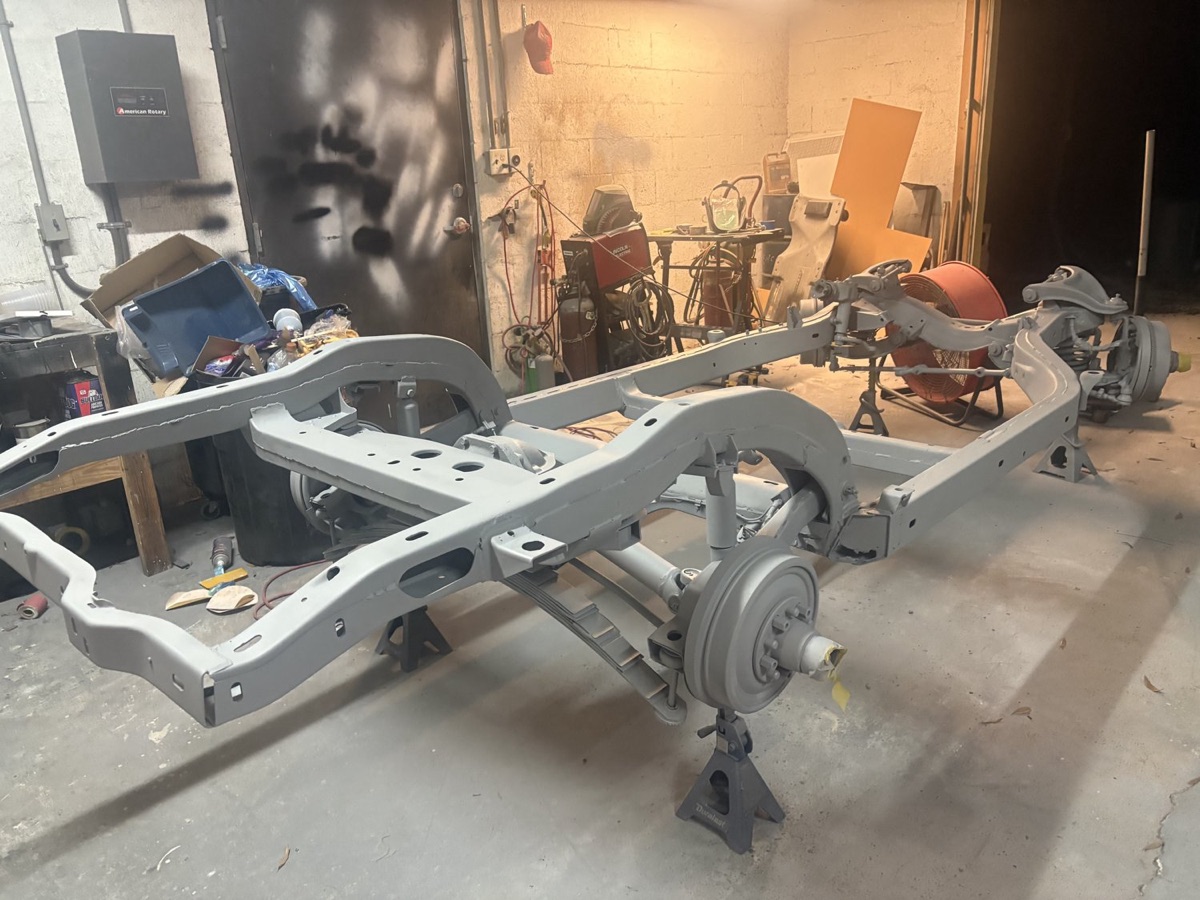
Corrosion does not sit on top of metal, it works down into it. A wire wheel brightens the high spots and leaves the pits loaded, which is why the blisters walk back through new paint. Blasting empties the pit and leaves something a coating can hold.
SWFL Media Blasters cuts rust off metal on Marco Island, where no part of the island gets to stay dry. The Gulf is on the west side, the Marco River and Smokehouse Bay wrap the north and east, and the canal system runs behind the houses in between, so salt finds a trailer frame parked in a driveway as easily as it finds lift steel standing over the water. Corrosion is not a stain you scrub off. It is a reaction eating its way down into the steel, and it keeps running underneath fresh paint until something opens those pits and drives the oxide back out. That is the job, and the rig comes to your address to do it. Call or text (239) 227-1768.
Start at the street and work backward and the pattern shows up on almost every property. Boat trailers that get backed into salt water at the ramp and then parked wet. Tow vehicle frames and undercarriages carrying the same water home. Gates, driveway hardware, mailbox posts and light poles. Air conditioner stands and cages. Hurricane shutter tracks and the fasteners holding them. Screen cage framing where the screws meet the tube. Railings, stair steel and balcony rail on the canal homes. Then the back of the lot: lift motors and beams, cradle steel, cleats, ladders, davits and seawall hardware sitting in the splash all day.
The reason it moves fast here is chemistry, not neglect. Chloride from salt spray makes the moisture on a surface conductive, and corrosion is an electrical event: current runs between areas on the same piece of steel and the anodic spots dissolve. Marco Island supplies that salt on whatever breeze is blowing, humidity keeps a film on the metal to carry it, and warmth keeps the reaction going through the winter instead of pausing.
Two shapes of it cause the real trouble. Pitting, where corrosion drills narrow and deep rather than spreading wide, so metal that looks lightly freckled can be badly undercut. And crevice corrosion in the places no tool reaches: lap joints, bolt holes, inside tube frames, under mounting plates and behind hardware. That is what rust removal is actually fighting.
A flap disc rides the high spots. It knocks loose scale off, brightens whatever the abrasive touches, and skates straight across the mouth of a pit without ever reaching the bottom of it. A wire wheel does something worse in one specific way: it burnishes, so the corrosion left behind gets polished down into the low spots where you can barely see it. The piece looks finished. It is not.
Blasting is a stream of small hard particles arriving at speed and at an angle, which means they go into the pits, strike the walls and the floor, and drive the oxide back out. That is the whole mechanical difference between a repair and a postponement. What is left is bare metal plus an anchor profile, the fine peak and valley texture a coating grips mechanically instead of just sitting on.
Which abrasive depends on what is in front of us. Crushed recycled glass is the general cutter for coatings and moderate corrosion. Garnet hits harder and suits heavy scale and structural steel. Baking soda is the gentle end for delicate or intricate pieces where no profile is wanted. Sand has its place. The wet dustless setup runs on thin metal, heat sensitive panels and any lot where a dust cloud is not acceptable. Profile depth gets matched to the product going on, which is walked through in surface prep before powder coat or paint, and the heavier dry work is covered on sandblasting on Marco Island.

A boat that is not on a lift is on a trailer, and a trailer on Marco Island lives the hardest life of any steel on the property. It gets submerged in salt water at the ramp, pulled out, then parked in full sun without ever being rinsed inside the tube. Frames scale from the inside out, fenders rot at their mounts, and brackets, rollers and bunk hardware usually surrender before the rest of it does. Axles and springs go quietly until a bearing or a leaf tells you about it.
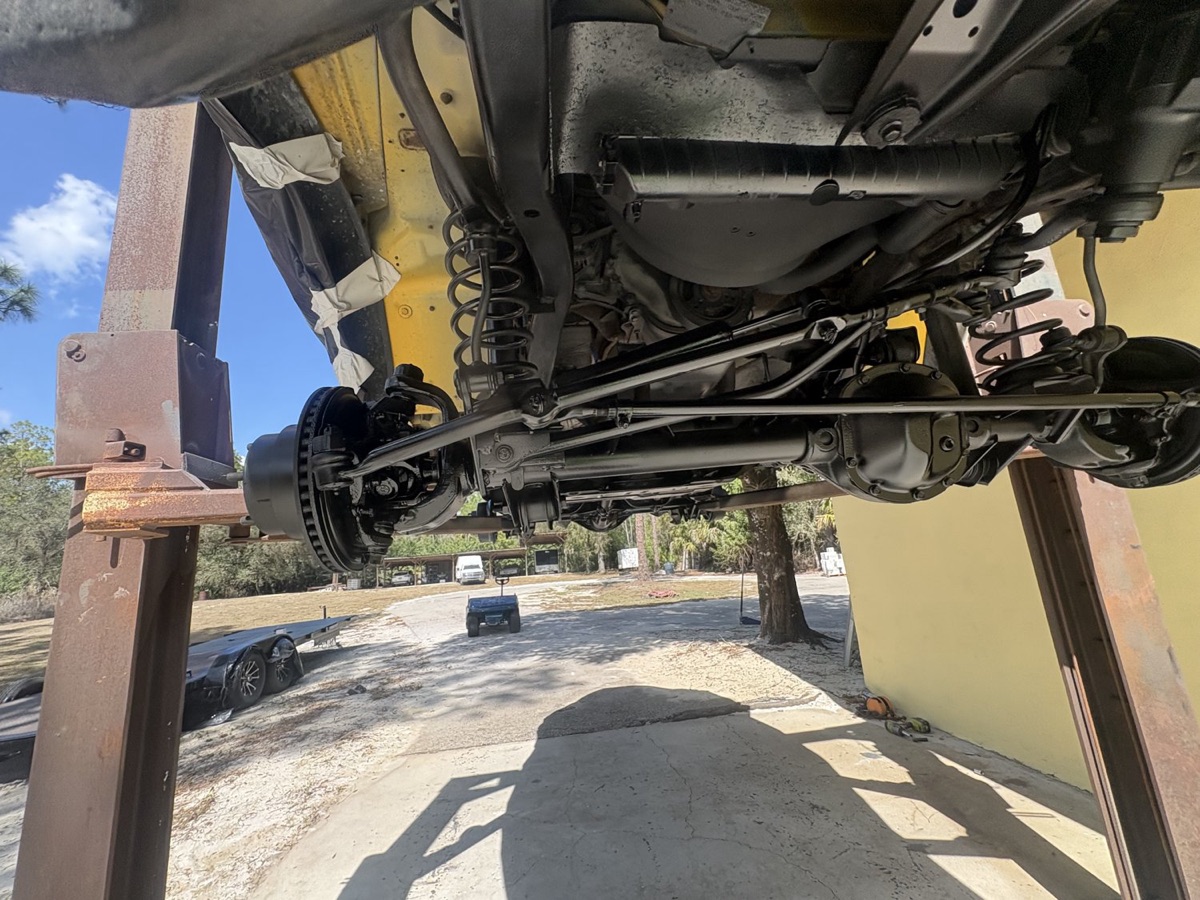
The tow vehicle is next in line. Undercarriages, frame rails, subframes, suspension arms, brake and fuel line brackets and floor pans all collect the same salt water on the way home from the ramp. Project cars and motorcycle parts in an island garage face the humidity instead of the spray, which is slower but ends in the same place. We match media and pressure to the gauge so thin sheet does not warp and castings are not chewed, and because we are mobile a half stripped frame never has to leave your garage.
More on the vehicle side is on automotive blasting and the local page for automotive blasting on Marco Island. For how coastal corrosion behaves on tow rigs specifically, read rust removal on trucks and trailers in coastal Florida.

Screen enclosures fail from the fasteners outward. The tube may still look sound while the screws, the brackets and the joints where two pieces meet are already weeping rust down the beam and staining the deck below. Railings and stair steel do the same thing at the welds. Painted steel gates hold up until the coating cracks somewhere small, and after that the corrosion works sideways under the film faster than it works down.
The waterfront side of a Marco Island lot is harder still. Lift beams, motors, cables and cradle frames, dock ladders, cleats, davits, piling hardware and seawall fixings are in salt water or salt spray every single day, and none of that can be taken anywhere to be worked on. It gets blasted in place, standing where it stands. Media gets matched to the material so aluminum cage tube is not dented and stainless is not contaminated by the wrong abrasive, and rusted steel gets cut back until what is left is sound.
Blasting removes corrosion. It does not put back the metal the corrosion already ate, so a heavily pitted trailer tongue or lift beam comes out clean, sound and ready to coat while staying pitted, because that steel is gone. Sometimes the strip uncovers a hole that scale was hiding, and the right next call is a welder or a fabricator rather than a coating. We would rather say that standing next to the piece than let you find out after paint. If the boat on the lift is next, see marine blasting on Marco Island, or the full list of what we bring to the island on the Marco Island page.
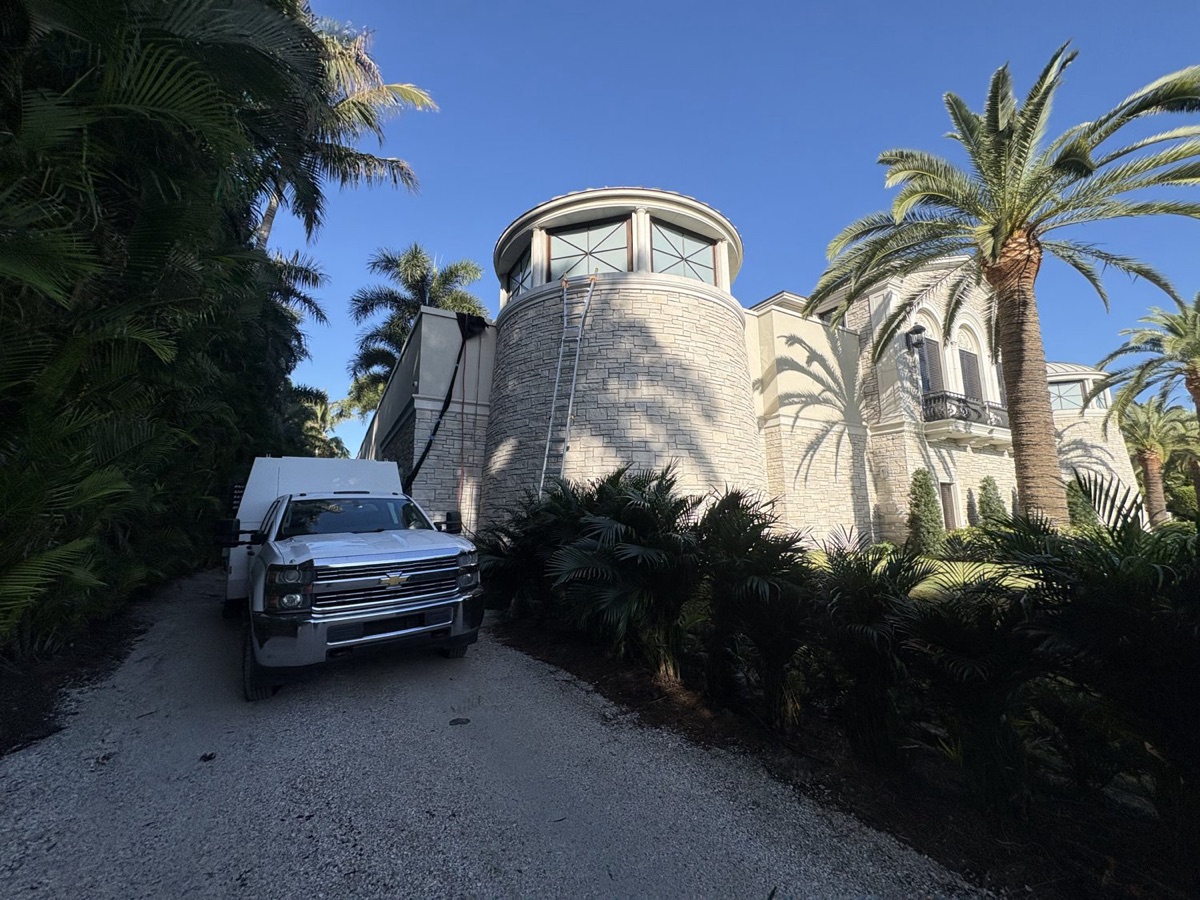
Everything arrives on the truck, which is the only practical way to work Marco Island. Collier Boulevard and the causeway approach shape when a rig rolls in, driveways are short and setbacks are tight, and a lot of the island is built at condo and villa density where somebody else's car or lanai is a few steps from where we have to stage. Tell us where the rig can park, whether there is a hose bib and an outlet, and how we reach a backyard that faces the canal instead of the street. If your association has contractor hours or an approval process for exterior work, say so at the estimate and we will schedule inside it.
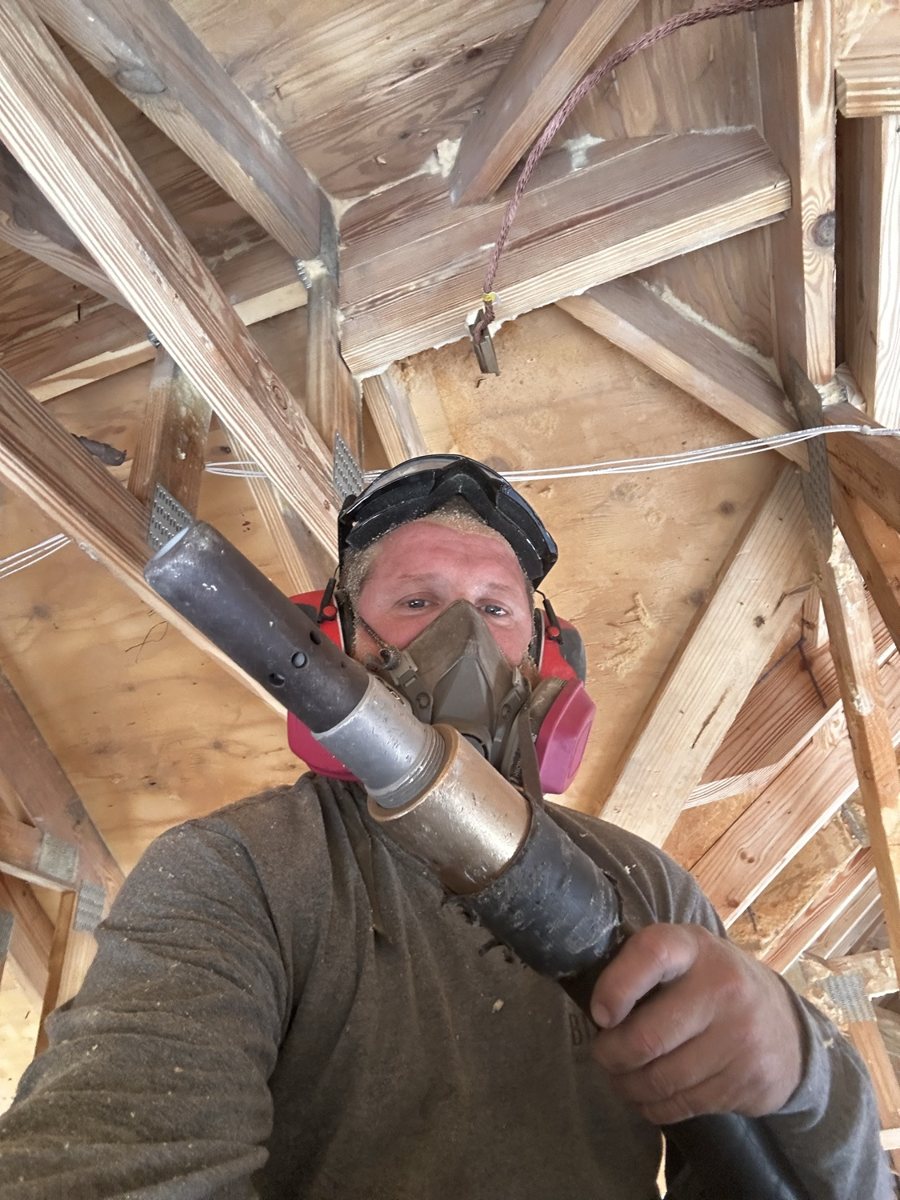
Containment is part of the plan, not an afterthought. We tarp and mask, control where rebound lands, run the wet setup near screens, pools, vehicles and the property line, and pick up spent media before we pull off site. Older coatings can contain lead, which is why testing and proper containment matter before anyone strips an older painted surface. The low dust version of all of this is on dustless blasting on Marco Island.
Then there is the clock. Flash rust is the light bloom that forms on freshly cleaned steel sitting in humid air, and on an island it can start quickly. That is not a defect in the blasting, it is steel doing what steel does with nothing on it. So the coating gets planned alongside the strip instead of scheduled for later: hand the piece back bare when your painter or powder coater is standing by, or have us carry it through and put protection on while the metal is still clean. What the estimate weighs is the size and count of the pieces, how deep the corrosion runs, what coating is coming off with it, access and containment, and whether we coat it afterward. Call or text (239) 227-1768.
Based in Naples and mobile across Southwest Florida — we bring the rig to your home, marina, yard or job site. Call or text (239) 227-1768.
We come to you. The rig is mobile and self contained, so the work happens where the metal already is: a driveway, a garage, a side yard, a dock or a lift behind the house. That matters here, because railings, cage framing, seawall hardware and lift steel usually cannot be removed at all, and a trailer that has to be hauled off the island tends to stay on the list for years. On-site estimates on Marco Island are free.
Usually it can be cleaned and coated, as long as you are clear on what cleaning means. Blasting takes the corrosion out of the pits and leaves sound metal with a profile on it. The pits stay, because that steel is gone for good and no process refills it. On thin material that has lost real section, or where the strip opens a hole that scale was covering, the honest answer is a fabricator or a welder rather than a coating, and we will tell you which one you have before anything gets painted.
Because it never actually left. Paint over an active pit and you seal chloride, moisture and oxide into a pocket under the film. The reaction keeps running, the oxide expands, and it pushes back through as blisters and rust bleed a season or two later. The coating was not the failure. The surface under it was, and that is the whole argument for stripping instead of covering.
It can, on the wrong setting, because heat and force are what distort light gauge material. We match media and pressure to the gauge in front of us and test a section before committing to the piece. On thin panels, aluminum and screen enclosure framing we would rather run the wet setup, which stays cool by design. There is more in blasting aluminum versus steel.
Containment plus wet media. Lots on the island sit close together, so we tarp and mask, plan where the rebound falls, and run the dustless stream near screens, pools, cars, landscaping and the property line so dust drops at the work instead of drifting. Spent media gets picked up before we leave rather than raked into the beds.
Your call, and it is worth deciding at the estimate. We can hand the piece back bare and ready for your painter, powder coater or fabricator, or carry it through and coat it ourselves while the surface is still clean. Blast it, prep it, coat it is how the business is set up. On an island, coating during the same visit removes a variable you do not control, because bare steel in this air does not wait around for you.
The size and number of pieces, how deep the corrosion has gone, what coating is coming off along with it, how much masking and containment the lot needs, where the rig can stage, and whether you want the piece coated afterward. Nobody can price corrosion accurately from a photo, so we do not try. Call or text (239) 227-1768 and we will come look at it, free, anywhere on the island.
The rig comes to your driveway, dock or garage, takes the corrosion out of the pits and leaves the metal ready to coat. Call or text (239) 227-1768 for a free on-site estimate.
Tell us a little about the job and we'll get right back to you.
Thanks — we'll be in touch shortly to set up your free estimate.